






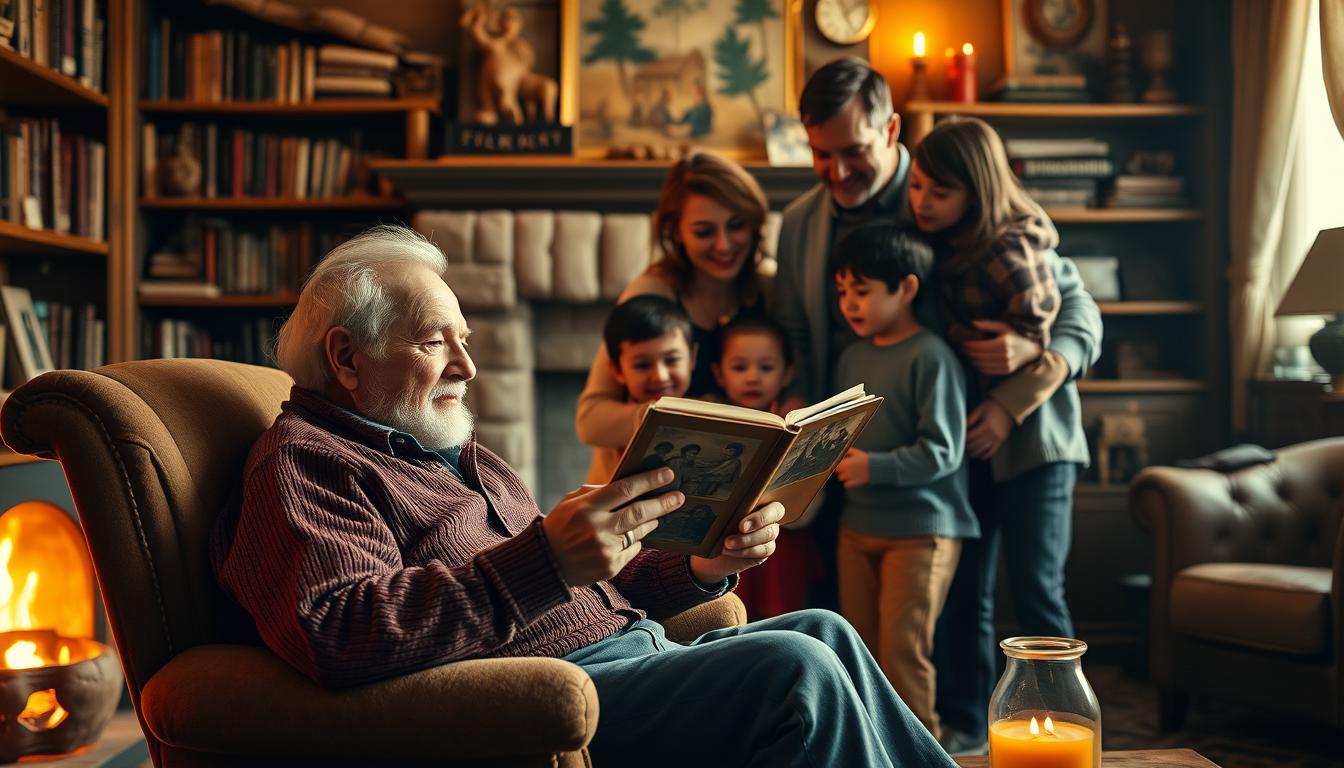
Every family has a legacy. They pass down traditions and values to the next generation. As philosopher William James said, “The great use of life is to spend it for something that will outlast it.”
Family legacy is more than just material things. It shapes who we are.
Peter Strople said, “Legacy is about leaving something in people, not just things.” A meaningful legacy grows from small, daily moments. These can be a laugh, a lesson, or time together. These moments strengthen family bonds.
Legacy’s power to guide future generations is immense. It can be seen in the Windrush Generation’s resilience or the teamwork behind #MeToo. What we share today becomes tomorrow’s story.
Understanding Legacy and Its Importance
Legacy is more than just stuff. It’s the stories and values families share. Define family legacy as the mark each person leaves on future generations. Entrepreneur Gary Vaynerchuk says,
“You’re writing your legacy every day through actions and choices.”
The importance of family history is huge. It connects us across time. Stories of courage, like Marie Curie’s or MLK Jr.’s, motivate us. An ethical will keeps these values alive.
Small moments, like sharing memories, add to this tradition. They make our family’s story richer.
Generational impact grows when families care for their legacy. Studies show 71% of leaders thank mentors for their success. This shows values last longer than material things. The book Radical Curiosity shows how personal stories, not just wealth, leave a mark.
By celebrating past achievements, families pave the way for the future. Legacy isn’t just for the famous. Every family’s traditions, from holidays to beliefs, weave a shared story. This story brings us together, giving us a sense of belonging.
The Role of Storytelling in Creating Legacy
Family storytelling is more than just a hobby—it keeps legacies alive. It turns abstract values like courage and kindness into stories we can all relate to. Through these stories, families remember their roots and their future aspirations.
“Your story is the greatest legacy that you will leave to your friends. It’s the longest-lasting legacy you will leave to your heirs.” —Steve Saint
Bruce Feiler’s Life Story Project shows how stories bring families together. He interviewed people from 20 to 90 years old across the U.S. They found that stories connect us, making history feel close to home. Science backs this up: studies show stories engage our brains more than facts alone.

Today, tools like the FamilySearch app help families record their stories digitally. Even brief conversations during meals or trips can capture important moments. These moments create strong bonds, making legacy a part of our daily lives.
Neuroscience explains why stories are so powerful. When we hear a story, our brains connect with the storyteller’s. Stories that touch our hearts are unforgettable. Companies like Microsoft’s Bill and Melinda Gates Foundation use stories to inspire change, showing their power.
Begin with a simple step. Write down a memory, record a grandparent’s story, or share a childhood tale. Each story adds to your family’s legacy, ensuring your values live on through generations.
How Legacy Shapes Identity
Our story is never just about ourselves. There have always been events, actions, and people who intersect with our story.
Family identity starts before we’re born. Values shared at dinner and struggles in family photos shape our self-view. Psychologist Robyn Fivush found kids who know their family’s history have a strongerself-concept.
These stories guide our choices and help us through tough times. They act as emotional blueprints.
Heritage is more than pride; it’s a conversation between past and present. Paul Baltes’ research shows how family stories shape us. A great-grandparent’s courage might inspire a young inventor, while an uncle’s mistakes teach us humility.
Legacy and self-concept blend here. It’s about honoring traditions while staying true to ourselves. This balance is key.
David Isay’s work on oral history shows how shared stories connect us. Teens gain courage when they hear about their parents’ successes and failures. Even school stress seems smaller when seen as part of a family story.
Legacy is a guide, not a prison. By embracing our heritage, we build identities that are true yet open to change. As families add new chapters to their stories, they keep their identity alive and growing.
Financial Legacy: More Than Just Wealth
A family’s financial legacy is more than just money. It’s about teaching money values that guide future generations. As Billy Graham said, “The greatest legacy…is not money… but the values that guide decisions.”
Effective wealth transfer needs careful inheritance planning. This planning should teach responsibility. Sadly, many families overlook this, losing their wealth by the third generation due to lack of financial knowledge.
“Shirtsleeves to shirtsleeves in three generations”
Tools like Legacy Vaults and digital estate planners make planning easier. Even on a budget, options like $149 digital vaults or free will generators are available. A good wealth transfer plan includes ethical wills, like videos or letters, to share life lessons.
These tools help avoid disputes by making intentions clear. They also help manage digital assets, like social media accounts.
Success comes from teaching heirs to manage resources well. Regular plan reviews after big life events, like marriages or births, keep goals in line. By focusing on communication and education, families build lasting legacies.
Financial literacy programs and hands-on experience, like managing trusts, prepare the next generation. They learn to preserve both wealth and values.
Every family, no matter their income, can create a lasting plan. It’s not just about passing on money. It’s about teaching future generations the value behind it.
Creating a Lasting Family Bond
Family bonding traditions are what hold families together. Things like weekly dinners, holiday rituals, or simple check-ins create lasting memories. “We influence people every day by what we say and do,” explains the power of small actions that shape legacy relationships over time.
Shared experiences, whether baking holiday cookies or hiking together, build family unity. These moments create emotional ties that outlast financial wealth.
Modern families face challenges like blended households or long distances. Scheduling regular video calls or collaborative projects bridges gaps. The Simirity app helps capture stories, while its Story Anniversary feature reminds families to revisit shared history. These tools turn legacy planning into an ongoing dialogue.
Conflict is inevitable, but addressing disagreements openly fosters trust. Teaching conflict-resolution skills models how to navigate differences—a gift more lasting than material assets. The Family Legacy Interview, a “priceless gift” in estate plans, invites all generations to voice hopes and values. Asking the 32 guided questions during gatherings turns ordinary talks into legacy-building sessions.
Start early: discuss values over dinner, not just finances. A Life & Legacy Plan balances assets with relationship goals. When parents involve children in planning, they transform parent-child dynamics into peer partnerships. This intentional approach ensures family unity isn’t left to chance.
The Impact of Legacy on Future Generations
Every story, value, and action leaves a mark on those who come after us. The intergenerational impact of legacy shapes how children view themselves and their place in the world. Studies show that kids who know their family’s history are more resilient. They have 40% higher emotional well-being compared to those who don’t. This legacy and child development connection isn’t just about the past—it’s about equipping future generations to thrive.
“Carve your name on hearts, not tombstones. A legacy is etched into the minds of others and the stories they share about you.” —Shannon Alder

Building a positive family trajectory starts with small actions. Sharing meals, sharing heirlooms, or even writing letters can create lasting bonds. Research reveals that families practicing open communication boost their children’s self-esteem by 30%. This shows that nurturing relationships today strengthens tomorrow’s future generations.
Legacy isn’t just about avoiding past mistakes. It’s about choosing values like kindness or curiosity to pass forward. Grandparents can read bedtime stories, record memories, or teach skills to younger relatives. This reinforces their role in shaping the family’s path. By focusing on emotional legacies—like resilience or gratitude—families break cycles of negativity and build healthier futures.
Preserving Family History
“When a loved one dies, we tend to think about their legacy, about the meaning of their lives.”
Preserving family history is more than saving old photos. It’s about connecting our past to our future. Yet, only 25% of families use digital archives well. Start by organizing heirlooms, journals, and recipes.
Use apps like Meminto to turn legacy documentation into a family project. Begin with small steps: label photos, digitize documents, or record stories. Tools like Google Photos or Ancestry.com make it easier.
Combining digital and physical methods works best. Store digital copies and hold annual storytelling sessions. Recording family health or traditions boosts children’s self-esteem by 60%.
Over 70% of families find multimedia content more engaging than text. Preserving memories honors the past and empowers the future. Start today by choosing a box of photos, scheduling a family interview, or updating a digital archive. Every step keeps your legacy alive.
Legacy and Family Reputation
Managing a family’s public image takes effort. Family reputation management affects how others see your family name legacy. A good reputation built on honesty and kindness is valuable. Grupo Urrea, a Mexican industrial leader, is known for its community-focused business.
Even small choices can make a big difference. How you handle conflicts or support local causes leaves a lasting impression.
Would you be leaving behind a memory of someone who made amends even when you made mistakes? Who worked hard to do their best?
Social media makes this challenge bigger. Online actions can shape your family values reputation as much as offline ones. Families must find a balance between being open and keeping things private.
The STEP 2019 survey found 87% of U.S. businesses are family-owned. This makes reputation management a common issue. But, facing challenges head-on can lead to growth.

Building a strong reputation means being proud and humble. Share stories of success and lessons learned. Algar Group leaders link their business decisions to family values.
Focus on integrity over being perfect. Admitting mistakes and trying to improve builds trust. A legacy takes time to build, but every action today shapes tomorrow.
Start building your legacy now. Volunteer together, document your shared values, and teach younger generations what’s important.
Navigating Challenges in Family Legacies
“Life is amazing. And then it’s awful. And then it’s amazing again… This is breathtakingly beautiful.” — L.R. Knost
Every family has its share of tough times. The first step to healing is to face and talk about these issues. This could be generational trauma or long-standing conflicts.
Healing means being brave enough to deal with the past. It’s about creating a better future for everyone. This journey is not easy, but it’s worth it.
Changing family traditions can be a big step. Therapy can help families rewrite their stories. This way, they can turn past pain into opportunities for growth.
Setting clear boundaries is also important. It helps keep everyone’s emotional health safe. Talking openly can help families understand each other better.
Even if families are estranged, they can work towards healing. Honest talks can start the process of reconnecting.
Studies show that 50% of families can improve by learning to resolve conflicts. For those dealing with addiction or estrangement, creating new family bonds is possible. Starting small can lead to big changes.
Choosing what values to keep and what to let go of is part of legacy reconciliation. Families that focus on their core values can become 70% more united. Healing is not a straight line, but every step forward is a victory.
Legacy is not about forgetting the past. It’s about learning from it. By choosing to heal, families can turn inherited pain into valuable lessons. This approach builds a legacy based on truth and hope.
Exploring Cultural Perspectives on Legacy
Cultural family traditions shape how families remember their roots. From Diwali to quinceañeras, rituals help pass down values across generations. Over 70% of people worldwide can name their ethnic background, showing how heritage stays alive. In multicultural households, families mix customs like holiday meals or language lessons to create a unique multicultural legacy.

Modern families adapt traditions to fit today’s world. DNA tests like 23andMe and AncestryDNA have inspired over 30 million users to explore their origins. Programs like the CDC’s culturally adapted Legacy curriculum help families share stories in ways that feel relevant. Even small acts—like cooking grandma’s recipes or visiting ancestral hometowns—keep diverse family heritage vibrant.
Cultural heritage preservation isn’t just about old ways. It’s about making space for new voices. Schools and communities can help kids explore their backgrounds through art or history projects. Over 80% of families believe saving heirlooms and tales is key to legacy. By celebrating differences, families build bridges between past and future. Every tradition, from storytelling to heirlooms, helps kids feel connected to a bigger story.
Concluding Thoughts on Legacy
Legacy isn’t just a dream; it’s shaped by today’s choices. With 70% of people lacking a clear legacy planning strategy, many delay what’s most important. Yet, stories and values last longer than any material thing.
Start small: journal a memory, share a family recipe, or record advice from a family member. These actions lay the groundwork for a family legacy project. They turn everyday moments into lasting meaning.
Research shows 90% of people value creating meaningful heritage over wealth. Your legacy is a mosaic of choices—like kindness, mentorship, or a handwritten letter. Think about how your choices today will affect future generations.
If 65% feel unprepared to organize a loved one’s legacy, take action now. Start by reflecting on the values you want to pass on. What stories need to be shared?
Building a legacy starts with small, consistent efforts. Write down your hopes for your family. Discuss legacy openly with loved ones to align goals.
Use tools like digital archives or oral history projects to preserve your voice. Every step, big or small, adds to a legacy that honors the past and nurtures the future.
Remember, legacy is about the people you love. As the saying goes, “What you leave behind is the people you loved.” Let your actions today reflect the impact you wish to leave. Start now—no waiting required. Your story matters, and its echo can inspire generations to come.