






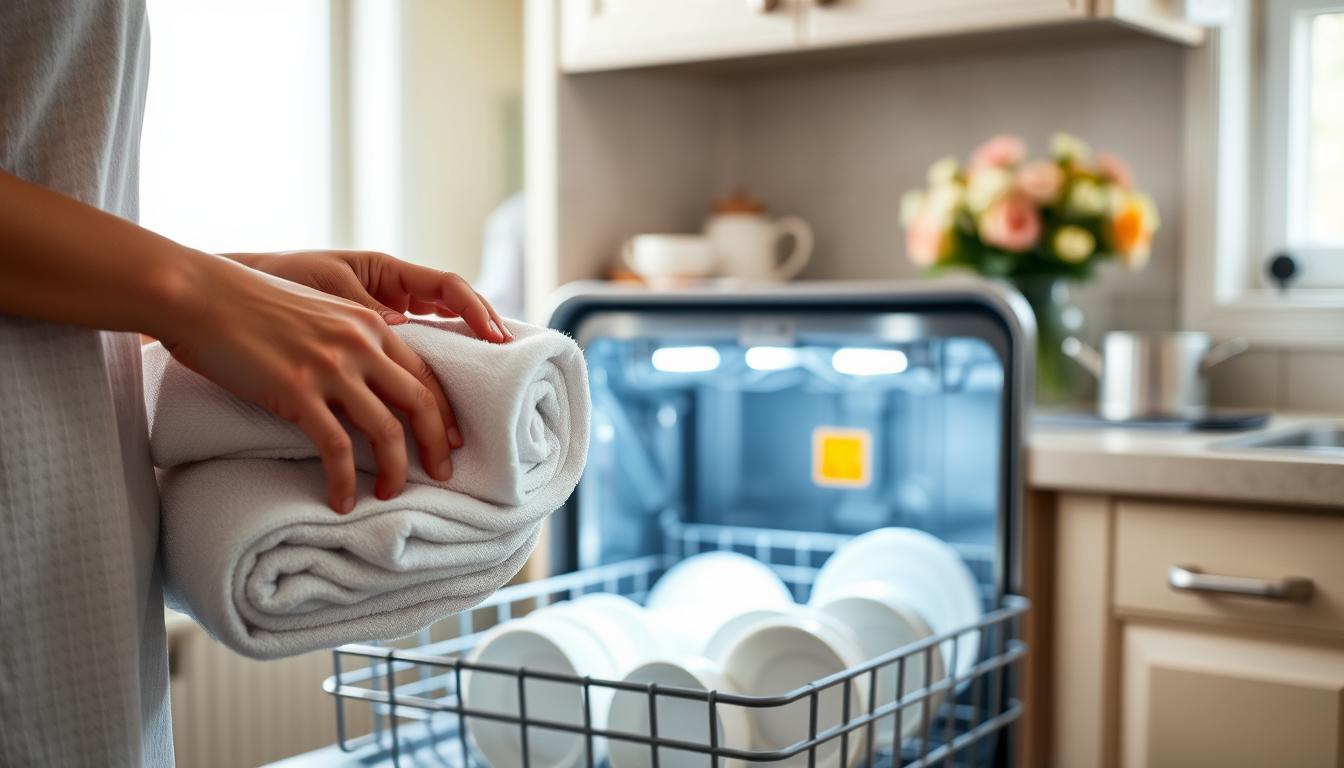
Cleaning as a love language is more than just clean spaces. It’s a way to show deep care. For some, like a woman who says, “Cleaning is my love language,” it’s a silent but powerful way to show love. It shows that love can be expressed in many ways, not just through words.
Acts of service, like cleaning, are among the five main love languages, as psychologist Gary Chapman found. For those who see it this way, a clean room or a dust-free shelf means more than roses. Cleaning becomes a special way to show you care, turning everyday tasks into acts of love.
Imagine coming home to a tidy house after a long day. That feeling of calm is a partner’s way of saying, “I care.” This section looks at how small actions, like cleaning or folding laundry, can strengthen bonds. By seeing cleaning as a service, relationships become richer and more meaningful.
Understanding Cleaning as an Act of Care
Cleaning isn’t just about making things spotless. It’s often a way to express love without saying a word. For some, acts of service love language is all about care through housework. A self-proclaimed “Monica Geller of the home” once said, “My cleaning is my way to show love.”
This view matches up with psychology. Acts of service are one of the five main love languages. When someone cleans for you, they’re showing they see your needs and want to help.
“Small cleaning gestures can speak volumes and symbolize your love and care for your partner.”

Studies show that clean spaces can lower stress. A study by NiCole Keith, PhD, found that clean homes are better for your health than living in walkable areas. For those who love cleaning, it’s not a chore but a mindful act.
Mindful cleaning, like washing dishes with focus, can make you feel 25% happier. This shows how cleaning can turn everyday tasks into emotional support.
Culture also plays a role in this. Some people find happiness in organized systems. Others feel loved when their partner cleans up after a long day. Both show expressing love through acts that ease mental stress. Whether it’s cleaning floors or sorting laundry, these actions silently say, “You matter.”
The Science Behind Tidiness and Mental Health
Research shows that cleaning mental health benefits go beyond just being neat. A study with 998 African American adults found cleaner homes linked to better health. Clutter isn’t just messy; it’s a heavy load for our minds.
The Princeton Neuroscience Institute found that organized environments clear our minds. This lets us focus better on what we need to do.

“When I’m surrounded by chaos, my anxiety spikes. It’s like my brain can’t catch its breath.”
Getting rid of clutter reduces stress by cutting down on what we see. A 2020 Korean study showed tidy homes mean fewer depressive symptoms. A 2017 study found clutter leads to procrastination and feeling overwhelmed.
Doing mindful tasks, like washing dishes, can make us feel calmer. Even small actions, like organizing a desk, help us clear our minds. Science backs up that tidy spaces psychology is real and helps us find peace. Cleaning helps us take back control, improving our focus and calm.
Practical Ways to Show Care Through Cleaning
Showing care doesn’t have to be big. Coming home to a clean living room after a long week is a big deal. Or finding your partner’s desk tidy shows you care about their stress. My sister’s clean house while she was away was a small act of love.

Start by doing tasks your loved ones hate. If your roommate hates cleaning the bathroom, offer to do it every week. Washing their car or restocking their pantry is a thoughtful gesture. Cleaning before they go on vacation or making their space calm after the hospital shows you care.
Look for chances to help before they ask. A 2023 study found 65% of people love unexpected cleaning help. Doing small tasks like unloading the dishwasher or mopping floors can help a lot. Pro tip: ask what’s stressing them out and do it for them.
“Practical care acts are about showing you see their struggles,” says relationship expert Dr. Gary Chapman, author of The Five Love Languages. His research shows 37% of people feel most loved through completed tasks, not grand gestures.
Make your efforts personal. What one person loves is a clean kitchen, while another wants a tidy garage. Watch their habits and adjust. Cleaning as a gift is about being sincere, not how big the task is.
The Role of Cleaning in Intentional Living
Intentional homemaking turns daily chores into meaningful acts. Imagine a home where every surface shows your deepest values. Mindful cleaning isn’t just about clean floors—it’s about creating spaces that foster connection.
As one partner shared, “My wife’s love language is acts of service. When I tidy, I’m filling her cup and making space for us to simply *be* together.”

Value-aligned home practices begin with mindful choices. Choosing eco-friendly cleaners shows respect for the environment. Decluttering five items daily makes spaces clear and peaceful.
These small acts help create spaces for creativity, rest, and togetherness. A tidy kitchen invites family meals; an organized living room encourages conversations.
Nurturing spaces grow when routines align with what matters most. Japanese philosophy of Ikigai teaches us to connect tasks to our goals. A well-kept home shows what we value.
Prioritizing mental health? A clutter-free desk helps focus. Valuing sustainability? Using reusable cloths reduces waste. Every choice shows our values, turning chores into self-expression.
“A clean home is a canvas for the life you choose to live.”
When cleaning is intentional, it’s no longer a chore. It strengthens relationships and sharpens purpose. The result? Spaces that nourish both body and spirit, filled with joy in every corner.
How to Foster a Culture of Care in Your Home
“It’s important to note that 3 tasks is totally doable when broken down, when planned for, when deliberately chosen and communicated about how to achieve.”
Creating afamily cleaning culturestarts with small steps. Give each family member tasks that fit their skills. Kids can fold towels or sort laundry, teaching them to clean.
Teens can do dishes, while adults handle bigger tasks. This way, everyone works together fairly and with respect.
Involve kids in cleaning by making it a team effort. Let them pick tasks they like, like sweeping or organizing books. Praise their help as a way to show family unity.
Turn cleaning into a fun activity. Clean to music or have a quick tidy-up challenge. Say thanks for their help to show it’s valued.
Being consistent is important. Have weekly meetings to check in and adjust tasks. This way, cleaning becomes a way to care for each other.
Small actions today lead to lasting habits. They build connection and respect in your home for years.
Cleaning in Community: Beyond the Home
Volunteer cleaning isn’t just for your home—it’s a way to strengthen neighborhoods. Projects like park cleanups or neighborhood tidy-ups create shared goals. They foster connections between neighbors. When groups collaborate, small acts of tidying turn into big impacts. Community cleaning projects can revitalize public spaces, proving how cleaning as support builds stronger communities.
Many organizations partner with volunteers to tidy homes for those unable to do it themselves. A Clorox survey found 80% of people feel calmer in clean spaces. This makes these efforts vital for mental health. Imagine a new parent too exhausted to clean—volunteer tidying can ease their stress. Or seniors who need help maintaining homes: volunteer cleaning shows care without judgment.
Research also links childhood chores to adult habits. Kids who helped clean are 64% more likely to show empathy later. They are also 60% more willing to help communities. These stats highlight how helping through tidying starts early and grows into lifelong giving. Local groups like Habitat for Humanity’s clean drives or school volunteer days model this mindset.
Start small: Join a neighborhood cleanup or organize a block tidy-up. Every effort turns ordinary tasks into acts of collective care. Proving even dusting can create lasting bonds.
Challenges in Embracing Cleaning as Care
Even with good intentions, cleaning conflicts can arise when different tidiness standards clash. For example, one partner might see folded laundry as a sign of love. Another might see it as controlling. An exhausted parent once said, “The coming-home part can be exhausting, often resulting in clutter piles in our car and/or by the entryway.”
“Chronic pain won’t steal so much of my time. I don’t see my relationship with touch changing, but I’d love to be proven wrong.”
Historically, cleaning boundaries have been tied to gender roles, with women doing most of the household work. Today, with changing work dynamics and movements like #hotmessmoms, these norms are being challenged. Yet, tensions remain when one person’s “mess” is seen as neglect by another. The CDC says 70% of people link cleanliness to mood, but strict expectations only add to stress, not care.
Preventing resentment starts with honesty. Share what makes you feel overwhelmed, like dishes piling up. Agree on areas that are off-limits. You might consider hiring help or taking turns with chores. Remember, a spotless home isn’t the goal; it’s about mutual respect. Marie Kondo’s recent openness about her messy home shows that perfectionism leads to guilt. Focus on what truly nurtures your space and your relationships.
Tools and Tips for Effective Cleaning
Effective cleaning starts with the right efficient cleaning tools. Microfiber cloths capture 99% of germs with just water, outperforming traditional sponges. The Scrub Daddy sponge adapts to surfaces, while telescoping dusters reach ceiling fans effortlessly. These tools cut time and effort, making upkeep manageable.
Cleaning systems turn chores into habits. A chore chart spreads tasks among family members. Prioritize high-touch zones like bathroom counters and kitchen sinks. Daily 10-minute sweeps prevent clutter from piling up, making time-saving tidying a routine. “We listed three priorities—home, work, and self—so everyone knows their role,” says one family’s strategy.
“I restocked TP and prepped pill organizers. Small prep steps add up.”
Sustainable cleaning habits balance care for people and planet. Eco-friendly sprays replace harsh chemicals. Launder microfiber cloths weekly to reuse them safely. Focus on cleaning over sanitizing unless someone’s sick—overdoing it wastes resources. Vacuuming weekly traps allergens, keeping air cleaner for asthma-prone family members.
Smart choices matter: rubber brooms for pet hair, HEPA vacuum filters for dust. Small steps like weekly bedsheet changes or monthly oven scrubbing keep spaces livable without daily overwhelm. Less stress equals more love in the home environment.
Conclusion: Cleaning as an Expression of Love
Cleaning is more than just a chore. It’s a way to show care and love. Just like acts of service, tidying can be a heartfelt gesture. Studies show that keeping a clean home strengthens bonds, like the 2016 Global Journal of Health Science found.
A tidy space is not just practical. It’s a promise to put others first. Care ethics scholars like Carol Gilligan and Nel Noddings see nurturing as a moral act. Noddings’ stages of caring show how small acts, like cleaning, show responsibility and attention.
Even if cleaning isn’t your main way to show love, it can help. Virginia Held believes care is key to morality. This reminds us that tidying is part of caring for those we love.
Start with what cleaning means to you. Maybe it’s weekly deep cleans or daily touches. Reflecting on how cleaning improves your mood can make it more meaningful. Small acts, like wiping a sink or organizing a pantry, show you care without words.
Imagine homes where cleaning is a sign of respect. A tidy home is ready to help us face the week together. Whether it’s wiping counters or organizing closets, these acts create spaces where care is clear. Tronto’s idea of shared responsibility means everyone contributes. Let your cleaning efforts be part of the quiet way we show we value each other.