






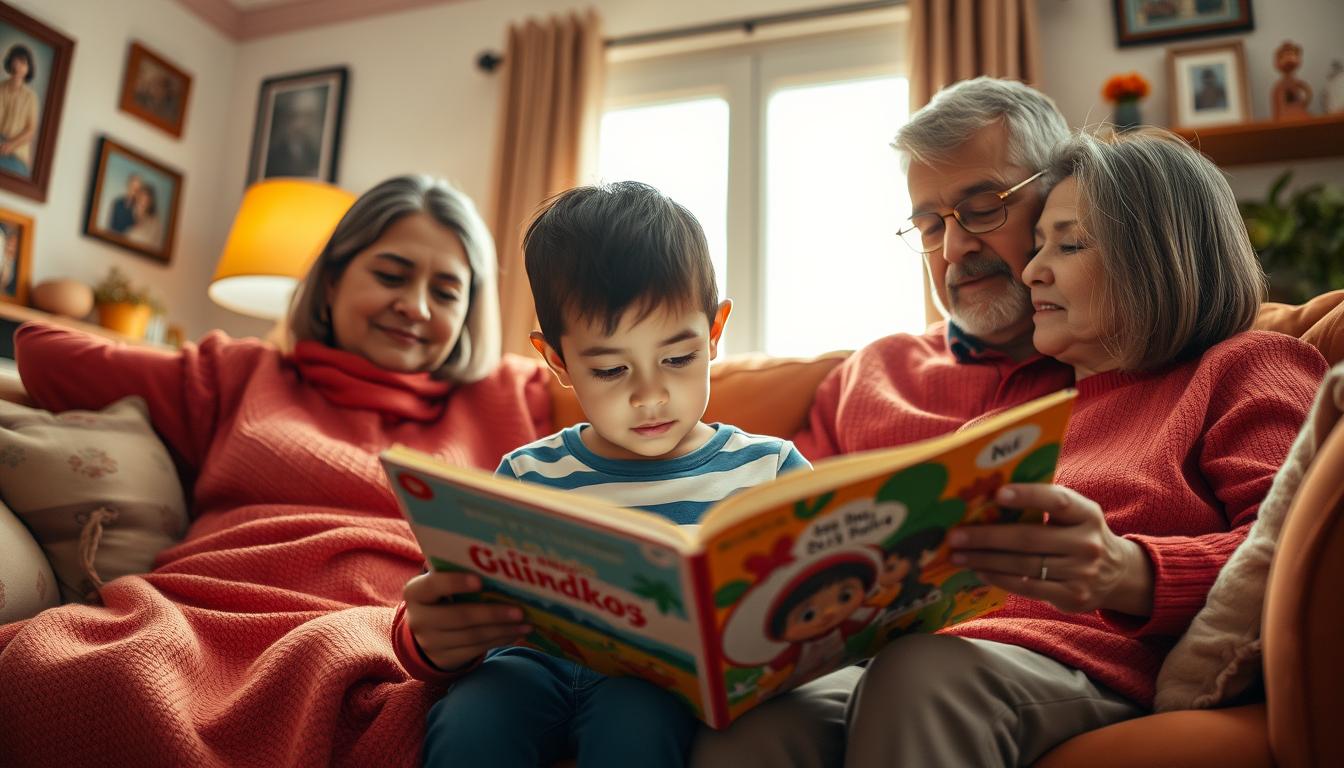
Family is the first teacher in shaping our worldview. From a young age, children learn values through daily interactions. These lessons, like how to solve conflicts and understand fairness, shape their outlook.
Parents show behaviors that kids learn and follow. They teach about trust, empathy, and morality. This early learning influences how kids make decisions and feel emotions later in life.
Studies reveal that 75% of adults say their parents taught them important beliefs. Despite spending 16,000 hours in school, parents’ influence is stronger. This early learning shapes our emotional responses and decisions, even after we leave home.
Understanding Worldview: A Definition
A worldview definition is how each person sees life’s big questions. It’s like a personal guide for understanding existence, morality, and purpose. This framework, shaped by belief systems and cultural lens, helps us make sense of our choices and global events.
Every worldview covers eight key areas: beliefs about God, knowledge, humanity’s origin, human nature, morality, salvation, life’s purpose, and the future. These elements act as perception filters for new information. For example, a parent who believes in objective truth will raise kids differently than someone who sees morality as relative.
“A worldview is a commitment of the heart,” notes philosopher James Sire. “It’s not just ideas—it’s how we live.”
Even if you’ve never studied philosophy, your belief systems are active. They’re shaped by experiences, education, and family. The German term Weltanschauung, coined by Immanuel Kant, captures this holistic perspective. Whether secular or faith-based, worldviews mix conscious and subconscious ideas. For instance, 85% of Christian parents admit their faith directly shapes how they teach values.
These frameworks act like invisible glasses tinting every interaction. They influence whether you see conflict as a problem to solve or a threat to avoid. By recognizing your worldview’s foundation, you can better understand how family experiences—like a parent’s apology or a family tradition—shaped your cultural lens. Awareness starts here: examining what you believe, why you believe it, and how it connects to your daily life.
The Role of Family in Forming Values
Families are the first place where kids learn about family value systems. A study with 174 children showed that parents have a big impact on their values. This happens through stories and daily routines that teach important lessons.
“Families are key to a child’s growth, affecting their relationships, work, health, and personal life.”
Parents teach kids about right and wrong by their actions. For example, by volunteering or solving problems calmly. But, too many family fights can make kids less likely to help others, as the study found.
Experts say it’s good to mix home lessons with real-life experiences. This could be through community projects. It helps kids learn and remember better.
Today, families come in many shapes and sizes. But, kids learn from what they see every day. TV shows and how parents react to them also play a big part. Watching mature movies too early can confuse kids about what’s right and wrong.
Building trust and talking openly is key for families. These early lessons, like hugs after fights or bedtime talks, help kids understand empathy and justice. They guide kids as they grow and learn more about the world.
Early Learning: The Family as Educators
From the start, kids learn a lot from their families. Early childhood learning starts at home, where parents show curiosity and solve problems. How families answer questions shapes cognitive development.
Children’s first teachers are their caregivers. They teach skills like language, empathy, and creativity before school starts.
Family education goes beyond school subjects. Talking during meals, reading bedtime stories, and playing teach important lessons. For example, talking about feelings helps kids understand social cues.
Studies show 31% of adults say family relationships are key to their happiness. This shows how early family interactions shape our minds for years.
“Children’s first lessons in fairness, responsibility, and curiosity come from home,” notes the National Association for the Education of Young Children. “These patterns shape lifelong learning styles.”
Parents who ask questions like, “Why do you think that happened?” help kids think critically. Others might focus on memorizing facts, affecting how kids tackle problems. These methods influence how kids learn in school or work.
The family’s role is more than just teaching facts. It’s about teaching cognitive development skills to navigate the world.
Emotional Development through Family Interactions
From a young age, families teach us about emotional intelligence formation. Parents’ reactions to our feelings help us understand and manage our emotions. When caregivers are in tune with our needs, we learn that our feelings are valid and can be handled.
On the other hand, if our feelings are ignored, we might struggle with emotional regulation as adults. This can make it hard to deal with both happiness and sadness.
“Children mirror the emotional landscapes they grow up in.”
Healthy relationship patterns start with how we interact with each other. A calm home where arguments are solved peacefully teaches us how to handle conflicts. But a home filled with constant criticism or turmoil can make us feel unsafe.
Research shows that growing up in a secure environment helps us manage stress and empathize with others better (Liu & Waite, 2014).).).

When parents acknowledge our feelings, we learn to navigate social challenges. But if our emotions are dismissed, we might struggle to express ourselves as adults. Studies show that a positive family environment lowers anxiety and depression risks. Neglectful homes, on the other hand, increase the risk of mental health issues (Simon, 2002.).
These early lessons affect our adult relationships. Those raised in supportive homes tend to seek partnerships based on trust and open communication. In contrast, those from strained homes might shy away from intimacy or misinterpret social signals. The foundation laid in childhood influences everything from our work relationships to our personal happiness.
Family Traditions and Their Impact on Perspectives
Family traditions teach us values in subtle ways. They shape our views through holiday meals and bedtime stories. Research shows 75% of people connect their beliefs to family rituals, showing their cultural identity development is shaped by these practices.
For example, the Filene family has worked together for a century. Their story is similar to the Pardoe family’s New Hampshire farm, which has thrived for 200 years. These stories show how traditions build resilience and purpose.
Family rituals, like the Jacobs’ heated debates or the Vanbovens’ focus on manners, shape behavior. Even when traditions change, like the Debley Foundation’s 1962 restructure, core values stay the same. For many, these practices are a connection to their heritage, whether through shared meals or big family reunions.
Traditions are more than just memories; they guide identity. They teach empathy, problem-solving, and even career choices. By embracing or reimagining rituals, families pass down more than stories. They shape how future generations see life itself.
The Influence of Socioeconomic Status
Economic conditions shape how families view the world. The socioeconomic impact on worldview starts early. Financial resources influence access to education, healthcare, and social networks.
A family’s income level affects decisions about careers, education, and risk-taking. For instance, children in wealthier households often see opportunities as abundant. Those in poorer families may prioritize stability over ambition.
“Class perspective formation” begins with daily realities: a child in a low-income household might view institutions like schools or employers as obstacles, while a middle-class child may see them as paths to success.

Financial constraints limit economic opportunity effects, like college savings or job connections. Research shows families with fewer resources often adopt practical, short-term goals. Those with more wealth emphasize creativity and exploration.
Schools often reinforce these divides. Middle-class norms favor verbal communication and assertiveness. This disadvantages students from less affluent backgrounds.
These patterns echo globally. In the UK, the top 20% hold 40% of wealth, while the bottom 20% have just 8%. Such gaps shape beliefs about fairness and effort. Yet, even small changes matter—mentoring programs, like Big Brothers Big Sisters, bridge gaps by exposing youth to broader possibilities.
Recognizing how socioeconomic status molds perspectives helps challenge assumptions. Whether through access to resources or cultural norms, class shapes not just lifestyles but the very lens through which people view the world.
Gender Roles and Expectations within Families
Gender socialization starts with small moments. Kids see parents doing chores and talk about jobs. They learn what’s “right” for them. A boy might act like his dad, while a girl might follow her mom’s example.
Parents’ actions teach kids about feelings and dreams. A dad who doesn’t let his son show emotions might teach him to hide feelings. But a mom who supports her daughter in math can challenge old ideas. These lessons help kids understand how to interact with others later on.
Families instill core societal values such as the importance of work, respect for authority, and adherence to social norms.
Toys and TV shows also teach kids about gender. Boys get trucks, girls dolls. These choices shape their views on what it means to be a boy or girl. Siblings play a big role in teaching these lessons too.
But, things can change. When dads help with childcare, kids see different roles. This helps them think about being different from what they’ve learned. Knowing how early lessons shape our views is key to changing these patterns.
The Impact of Communication Styles
Building relationships with students changes the vibe in the classroom. Students trust more and feel more comfortable asking questions and taking risks.

Family communication patterns shape how we see the world. Open dialogue builds confidence: students in supportive environmentsask more questions. This is linked to higher self-esteem (16% variance explained by conversation orientation).
Research shows teens in households with higher conversation styles perform better academically and socially.
Conversational habits like active listening or conflict avoidance leave lasting imprints. For example, families that value open dialogue see children develop stronger communication skills. One study found teens in restrictive environments scored 12% lower in interpersonal communication skills.
Immigrant families often face unique challenges. Cultural gaps between generations can strain relationships. When parents model respectful dialogue, teens navigate these divides better.
Even small shifts, like weekly family meetings, help bridge divides and reduce stress by 6.8%.
Awareness is key. Recognizing how your family’s patterns shaped your voice helps you adapt. Whether in classrooms or boardrooms, these skills translate into confidence. By understanding our conversational roots, we can choose new pathways—building connections that reflect our evolving values.
Intergenerational Perspectives
Grandparents connect the past and present for children. They share stories and lessons that classrooms can’t match. For instance, they teach about family resilience and cultural traditions.
A 2023 report by the Surgeon General found that 55% of young adults learned important values from their grandparents. This shows the big impact grandparents have on personal growth.
Family history is more than just holiday stories. Studies show that 80% of grandchildren with a strong family history feel more confident. Sharing stories helps them feel connected and understand history.
These conversations also help younger people understand big changes in society. They learn about important events and how they affect our lives today. This helps them think critically and feel empathy for others.
But family influence is not just about stories. Modern times bring new ways for families to learn from each other. Even with distance or cultural differences, keeping these bonds strong is important.
A 2023 study found that staying connected with family can fight loneliness. It’s as important as fighting health risks like smoking. By valuing these connections, families enrich everyone’s view of the world.
The Family as a Support System
Family support shapes our trust and safety from a young age. A caring home environment teaches kids to face the world with confidence. When parents show kindness and strength, kids learn these values.
As belonging importance grows, kids seek connection, not loneliness.
“Parents are the best guides who lead us to the path of enlightenment.” – Family dynamics directly influence risk perception development, shaping whether we approach challenges with curiosity or fear.

Research shows kids in supportive families develop emotional skills 50% faster than those in neglectful homes. Secure attachments in childhood lead to better stress management later. Even small routines, like sharing meals, boost belonging and improve school and emotional performance.
But, family stress—like holiday conflicts—can increase anxiety. This shows how support patterns affect us as adults.
Risk perception starts at home too. A child who sees parents handle conflicts calmly grows into someone ready to face problems. On the other hand, unstable homes can leave lasting insecurity. Marriage studies show married adults have better health, but strained unions can harm mental health. These lessons from home guide us in trust, resilience, and social bonds for life.
Conclusion: The Lifelong Impact of Family on Worldview
Family shapes our worldview from a young age. Early experiences lay the groundwork for our adult views. The Harvard Grant Study found that strong family bonds lead to lasting happiness.
Even as adults, our family’s influence stays with us. But by becoming aware, we can choose what to keep or change. This lets us grow and evolve.
Self-awareness becomes more important as we see how family shapes us. Healthy traditions, like sharing meals, build resilience. Studies from the American Academy of Pediatrics support this.
But we can also look at patterns in our family. This lets us adapt and grow. It’s a way to honor our roots while moving forward.
Knowing our family’s influence doesn’t mean we’re trapped. Adults can reflect on early lessons. We can keep the good and change the bad.
For example, positive communication styles or habits often stick. But self-awareness lets us change negative patterns. This choice opens the door for personal growth and understanding others.
In the end, recognizing family’s impact fosters compassion. It helps us connect with people from different backgrounds. Studies show that family ties and meals can positively influence our lives.
By nurturing self-awareness, we can evolve our worldview. We blend our heritage with personal growth. This intentional approach shapes our journey.