






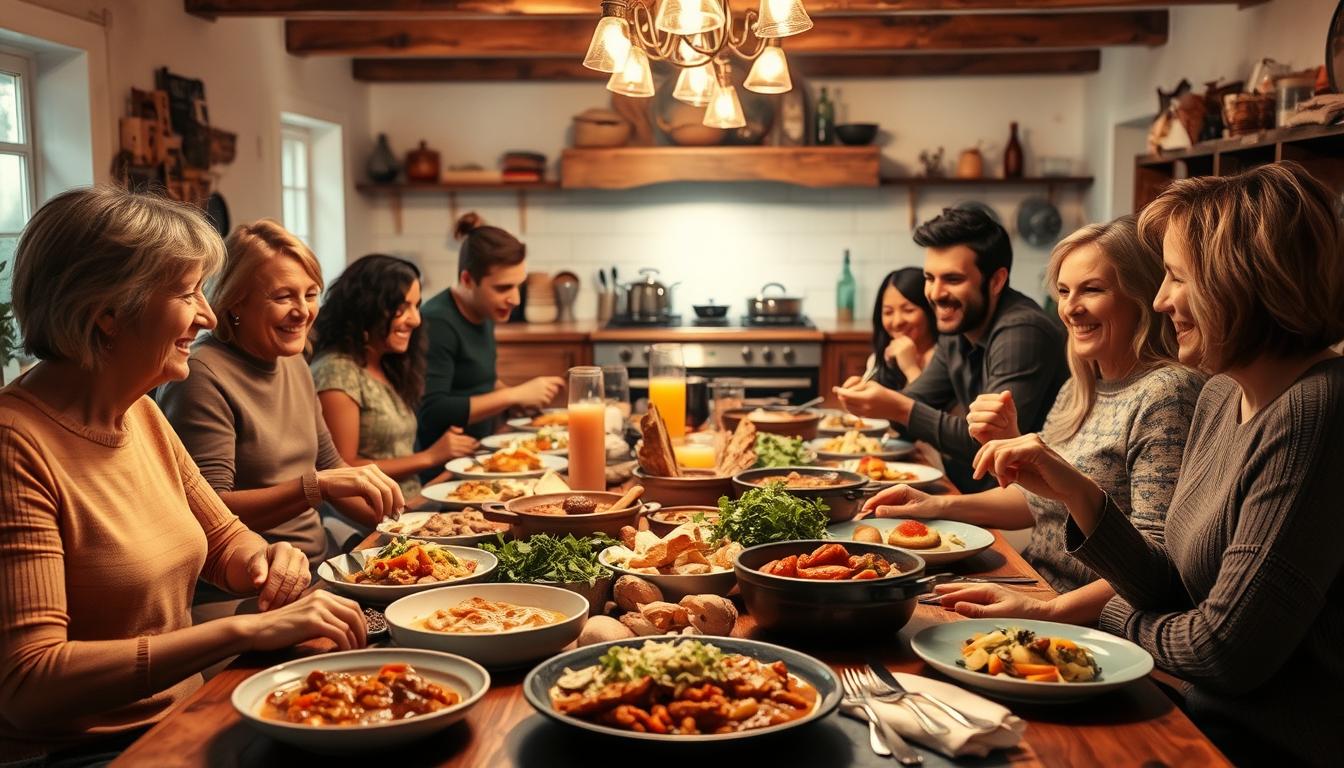
Shared meals are more than just eating—they’re moments of connection. From ancient traditions to modern dinner tables, dining together has always been a universal language. Whether it’s a family supper, a community potluck, or a pot of soup passed among neighbors, communal eating fosters bonds that transcend cultures and generations.
Yet, modern life often pushes these moments aside. Studies show kids who share meals with families three times weekly enjoy better health, grades, and emotional well-being. Even biblical teachings highlight the power of breaking bread as a symbol of unity.
Despite busy schedules, initiatives like Detroit SOUP and On the Table (Chicago) prove that mealtime connection remains vital. These gatherings aren’t just about food—they’re spaces where ideas, stories, and solutions grow. With 30% lower divorce rates linked to regular family dinners, the science is clear: shared meals build resilience.
As programs like The Love Fridge and Food Not Bombs show, even small acts of food sharing can turn tables into bridges between strangers. Let’s rediscover how communal eating nourishes both bodies and communities.
The Importance of Connection Over Food
Mealtime bonding is more than just about the food. It’s about the moments we share around the table. When we eat together, we open up, share stories, and build trust. Studies show families who eat together regularly are 20% more likely to have strong relationships.
This simple act reduces anxiety and strengthens bonds. It shows that communal dining benefits are more than just the meal itself.
Psychologists say shared meals break down social barriers. A 2023 study found 70% of people feel more connected after eating with others. Programs like Ageing Better use food to fight isolation, sparking conversations and friendships.
Even small things, like laughing over dinner or sharing recipes, can deepen our emotional bonds.
“The dinner table is where life’s challenges and joys become shared stories,” says Dr. Emily Carter, a social researcher. “It’s a safe space to be fully present.”
Research shows 65% of people think sharing a meal is the best way to reconnect. But, 33% fewer families eat together now than before. This means we’re missing out on chances to be close.
By making time to eat together, even once a week, we can increase happiness and a sense of belonging. It shows that nourishment is not just for our bodies. It’s in these moments that trust grows, and relationships flourish.
Cultural Significance of Shared Meals
Shared meals are more than just eating—they’re living food traditions that shape identities. In Japan, omakase dinners show trust between chef and guest. Mexican posadas mix feasting with storytelling during Las Posadas celebrations. These mealtime traditions carry history, values, and a sense of belonging.
Imagine a Moroccan tagine passed among friends or a Vietnamese bun cha at family reunions. Each dish tells a cultural story.

Global food customs like India’s thali platters or Italian aperitivo gatherings highlight cultural eating practices. Even in modern cities, Ethiopian injera shared from a single platter connects eaters to their roots. For many immigrants, these rituals are a lifeline to their heritage.
Anthropologist Dr. Elena Marquez says, “Hospitality customs like Middle Eastern coffee offerings or Korean jesa ancestor rites make meals bridges between generations.”
“Food is the first language we all learn,” chef Yotam Ottolenghi says. He points out how dishes like Jewish shabbat meals or Ghanaian waakye street food build cross-cultural empathy. The Social Gastronomy Movement’s partnership with HEINEKEN uses dinners to unite divided communities.
Whether it’s breaking Ramadan fast with dates or a Thanksgiving turkey, these rituals are more than food. They’re blueprints for connection. As families adapt traditions, they keep what truly nourishes: shared stories and the warmth of togetherness.
The Science Behind Eating Together
Mealtime science shows how eating together boosts connection through biology. Studies find that shared meals release oxytocin, a hormone that builds trust. In Ayelet Fishbach’s candy study, pairs sharing a snack worked better together, sharing more money and solving conflicts quicker.
These findings match social eating effects. When we eat together, behaviors like chewing or laughing make our bonds stronger.
Family dinners do more than just make us feel good. They also release endorphins, which improve our mood and lower stress. For kids, eating with family regularly is linked to better grades and less substance use, according to global surveys.
Even making meals together, like 57% of Italians do, creates a sense of togetherness. This is rooted in nutrition psychology.
“Communal eating dates back 400,000 years, shaping human social structures.”
Robin Dunbar’s research shows that eating together makes groups closer than smaller groups. His studies on primate social circles suggest humans evolved to enjoy sharing meals. Modern data supports this, showing that frequent social meals in the UK are linked to lower depression and higher life satisfaction.
Whether it’s negotiating over candy or enjoying a home-cooked meal, science shows eating together is more than just about food. It’s a biological ritual that strengthens our relationships and health.
Creating a Welcoming Atmosphere
Make your mealtime atmosphere a place for connection. Start with soft lighting and comfy seats at your dinner table environment. A clean table and some soft music can make any spot cozy. Even small spaces can feel welcoming if they’re warm and inviting.

Get rid of distractions like phones. Studies show families without devices have 40% more meaningful talks. Experts say using place cards or shared dishes can help people talk more. Places like Japan’s izakayas show that eating together can break down barriers, making any place a welcoming food space.
Don’t stress about food choices. A hospitable eating approach means having many options. Interior designer Clara Bennett says a few fresh flowers or a linen tablecloth can make a big difference without needing fancy decor.
“Grateful conversations boost meal enjoyment by 25%,” says a 2023 study. Start meals with a shared thank-you or a fun question to spark stories.
Mindful eating is about being present, not perfect. When the table feels safe and warm, laughter comes more easily. That’s where real connections start.
Meals as a Tool for Communication
Mealtime is more than just eating—it’s a way to connect deeply. Studies show 76% of Americans believe sharing meals strengthens bonds. Yet, one-third of weekday dinners are eaten alone.
When families come together, they improve their listening and emotional skills. The dinner table is a special place. Here, nonverbal signs and silence are as important as words.
Sharing meals can reveal life’s ups and downs. A 2015 study found family dinners help teens avoid substance use and boost mental health. Simple actions like passing dishes or pausing to listen create a unique bond.
Therapists suggest starting with light topics like favorite recipes or cooking stories. This can lead to deeper conversations.
“Mealtime is where families practice empathy,” says Dr. Sarah Mitchell, a family therapist. “Asking ‘What surprised you today?’ opens doors to real conversations.”
Even with cultural differences, sharing food brings people closer. Yet, 20% of adults rarely eat with others. The Big Lunch initiative aims for 10 million participants in 2023, showing the power of casual gatherings.
Let’s make the dinner table a place where voices are heard, not just screens.
The Role of Technology in Shared Meals
Technology changes how we share meals, bringing both ease and hurdles. Digital dining lets families have virtual dinners through video calls. Yet, meals without screens can bring people closer together.
Apps for planning meals make things easier, but too much tech can pull us away from talking. Studies show that even having phones nearby can lessen connection. This shows the importance of using technology wisely during meals.

“The goal is mindful tech use, not elimination,” says Dr. Clara Chen, a digital wellness expert. “Half-digital dinners—using apps for prep, then powering down—help balance innovation with tradition.”
Tools like Mealime help reduce stress when planning meals. QR codes make ordering faster. But, it’s key to set times when screens are off during meals.
Virtual dinners help families stay connected, but nothing beats being there in person. By picking the right moments to use technology, we can keep our meals both current and deeply meaningful.
The Impact of Family Meals on Children
Family dinners do more than just fill our plates. They shape our children’s growth in ways scientists are just starting to understand. Studies show kids who eat with their families at least three times a week do better in school. These meals are like a children mealtime development lab.
Toddlers learn social cues and preschoolers grow their vocabulary through these conversations. A study of 1,492 children found those who had regular family meals had better communication skills. They could express their feelings more clearly.
At the teenage dinner table, the stakes are high. Eighty percent of teens say this is when they talk most with their parents. This connection helps reduce substance use by 30% and depression by 40%.
Even picky eaters eat more fruits and veggies when they join family meals. The Quebec Longitudinal Study found toddlers who ate in relaxed environments were fitter and drank less sugary drinks.
“Mealtime conversations expose young children to 10 times more rare words than any other daily interaction.”
Experts say quality is more important than quantity. Even three meals a week can lay the groundwork for healthy habits. By showing balanced eating and listening, families can fight obesity, anxiety, and eating disorders.
The message is clear: shared meals are a simple yet powerful way to raise thriving, connected kids.
The Power of Potlucks and Gatherings
Potluck meals are more than just dinners—they help people connect. They turn kitchens and parks into places where everyone helps each other. In Hardwick, Vermont, 50 potluck meetings led to 150 new jobs, showing how meals can boost a community and its economy.
These events, where everyone brings something, break down social barriers. “If somebody passes away, there is food. If somebody has a baby, there is food,” says a Cahuilla tradition. This shows how meals are key to keeping cultural traditions alive.
“If somebody passes away, there is food. If somebody has a baby, there is food.”

Planning potluck meals needs careful thought. You need to think about food for everyone, like gluten-free options. It’s also important to have a place for both quiet and loud conversations.
In Cahuilla gatherings, dishes like pit meat and Funfetti cake bars show the value of shared work. These meals teach us to listen and understand others, which is important for making positive changes.
When a Vermont group spent 300 hours at potlucks, they built trust. This trust led to partnerships in farming and composting. It shows that meals can help solve big problems like how we get food.
Communal eating events are all about giving back. A simple dish can become a symbol of care. As one organizer says, “Shared meals are small acts of resistance against isolation.” Whether it’s a neighborhood potluck or a Cahuilla clan meeting, the table is where differences disappear.
Cooking Together: A Recipe for Connection
Kitchens become places where bonds grow stronger when everyone cooks together. Young kids measure ingredients, while grandparents share their cooking traditions. This teamwork builds trust and respect.
Studies show that family cooking nights improve communication and patience. Even shy people open up through shared tasks.
Meal prep bonding is more than just cooking—it’s a life lesson. Planning a menu teaches problem-solving. Mixing flavors is an experiment in creativity.
A 2023 study found that couples who cook together are happier. They report better teamwork, with 78% saying it improved their relationship. It’s the process, not perfection, that matters.
“When hands are busy, hearts connect,” says Dr. Elena Torres, a culinary therapist. “Kitchen tasks reduce stress while building emotional bonds.”
Meal prep bonding also connects generations. Grandparents teach recipes, while teens learn kitchen safety. Schools and community centers offer cooking classes to improve social skills.
Even short sessions, like making pizza dough, can increase trust. The focus is on joy, not perfection. Start with something simple, like a taco bar or dessert night.
As families get busier, cooking together becomes more important. The kitchen becomes a classroom, a therapy room, and a living room. Every dish is a step toward deeper connections.
Future of Shared Meals in a Fast-Paced World
Modern mealtime faces challenges like long work hours and tech distractions, but shared meals adapt. Busy family dinners now include creative solutions like split-shift eating or weekend cooking marathons. Meal kit services like HelloFresh and Blue Apron simplify prep, while apartment complexes add communal dining spaces. These innovations reflect evolving food traditions, keeping connection alive in fast-paced lives.
The mindful eating movement emphasizes presence at meals, a shift backed by data: 67% of families report less mindless eating when sharing meals. Even workplaces are redesigning lunch breaks to foster bonding. Younger generations prioritize “chosen family” dinners and rotating responsibilities, proving shared meals aren’t tied to rigid schedules. Over 70% of families seek practical, flexible solutions to make these moments happen.
Research shows benefits: 56% of families see lower obesity rates, and 79% report stronger relationships. Despite challenges like processed food’s rise, 80% of families want to prioritize mealtime. From fireplaces 800,000 years ago to today’s kitchens, shared meals endure as a social glue. The future of dining isn’t about rigid rules—it’s about small steps. Whether through a quick breakfast-for-dinner or a 15-minute chat at the table, every shared moment counts. Let’s keep evolving traditions that nourish both bodies and bonds.