




Homes, like people, have their own life cycle. Just as wrinkles tell our life stories, signs of aging in homes like cracked paint and creaky floors do the same. Over 1.6 million U.S. homes, owned by seniors for decades, show how much they value their homes.
Millennials miss out on homes because older owners stay longer. Their decisions, like ours, shape how homes age. Homes face challenges like weather and wear but also gain charm over time. Each repair adds to their story.
Older homes may lose value at a slower rate than younger ones. But their worth goes beyond money—it’s emotional. Over 90% of seniors aged 65+ prefer to stay in their homes. This shows homes are more than just structures; they hold lives and stories.
Understanding the Aging Process of Houses
Homes, like people, show their age through changes over time. Foundations shift during house settling, creating cracks or uneven floors. Over decades, structural deterioration weakens materials like wood, brick, and metal. These shifts are part of the home aging process, much like how human joints stiffen with time.
“For a thousand years in your sight are like yesterday…”

Materials age differently: wood warps in humidity, metals corrode, and concrete cracks from freezing temperatures. These signs of building material aging reveal a home’s history. Early cracks in walls or sagging roofs signal gradual wear. Regular inspections catch these clues before they become serious issues.
Even small cracks in basements or peeling paint on windows hint at deeper changes. Like annual checkups for health, maintaining homes helps them age safely. Ignoring these signs risks costly repairs later. Proper upkeep ensures homes stay functional and safe through their golden years.
Signs of Aging in a Home
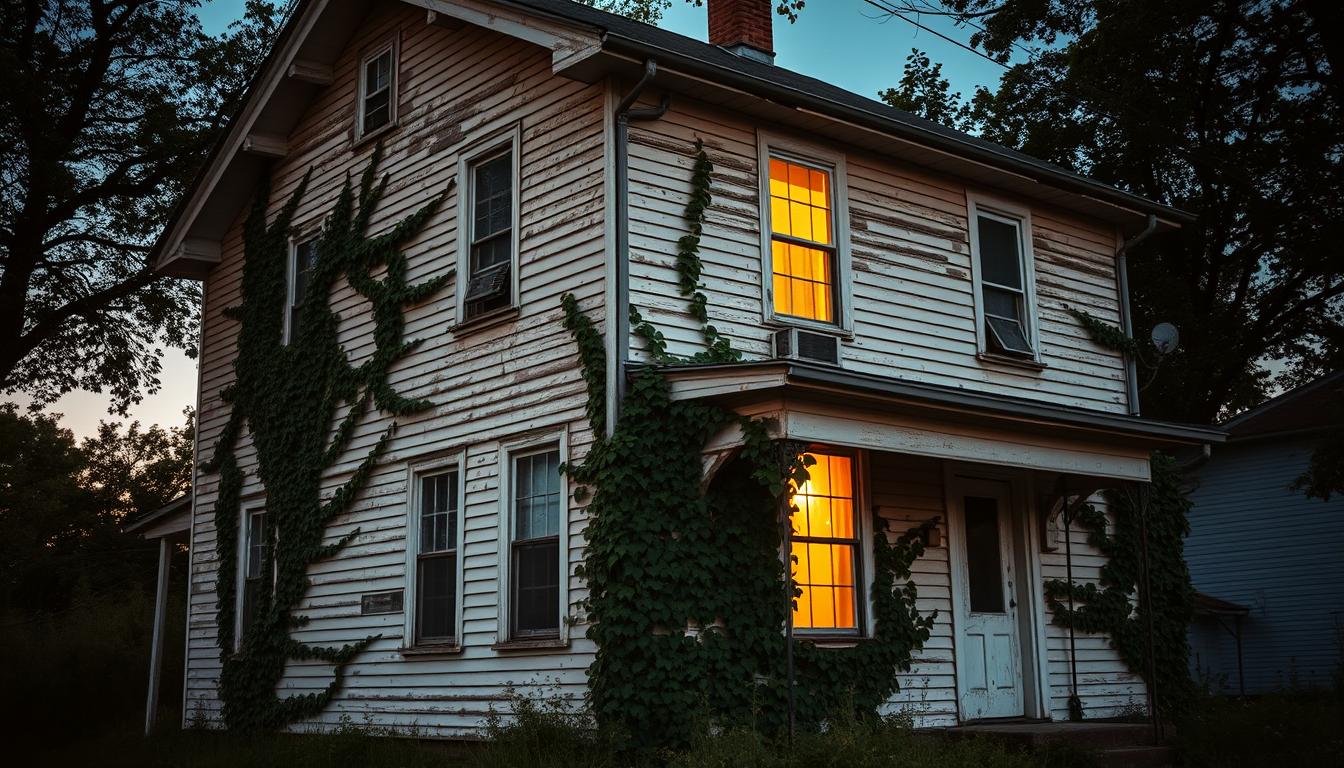
Just like people show home aging signs, houses do too. Cracks in walls, squeaky floors, or doors that stick slightly might seem worrisome. But many are normal. Think of a brick wall with two flawed bricks among 998 perfect ones.
Most issues are minor compared to the whole structure. Knowing which signs to address and which to ignore keeps your home safe and charming.
Some changes are just part of a home’s story. Doors that warp slightly or windows with weathered panes often add character. But cracks that widen, floors that slope unevenly, or gaps between walls and ceilings signal deeper structural issues.
Uneven foundation settling may cause cracks in basements or walls leaning outward—these demand professional attention. Other aging house symptoms, like sagging gutters or peeling paint, can wait but shouldn’t be ignored.
Regular checks catch small problems before they grow. If your home’s foundation shifts or walls bulge, call an expert. Minor cracks or faded siding? Those are part of its history.
Like a well-loved book, homes develop marks that tell their story—without sacrificing safety. Stay vigilant but calm: most imperfections are part of the journey.
The Historical Context of House Aging
Every historic home has its own stories. From old timber-frame cottages to modern ranches, architectural history plays a big role. Early homes were built with handcrafted techniques, while later ones used mass-produced materials.

“Where the other side of the street is depends on where we are” — our perspective on aging homes shifts with their origins.
Victorian porches may sag over time, while 1950s ranch homes face issues from shortcuts. Knowing this helps us respect a home’s original design. For example, a Federal-style home’s brickwork might crack differently than a Craftsman bungalow’s wood siding.
Understanding these differences helps us appreciate their unique features. That crooked window in a 1920s cottage? It’s from hand-cut glass production. Crumbling stucco on a 1960s home? It shows the era’s material choices. Each era’s innovations teach us about tomorrow’s maintenance.
Home Maintenance: The Key to Longevity
Like the golden Buddha preserved under clay for centuries, a home’s value and structure depend on intentional care. Home preservation isn’t a luxury—it’s a strategy to delay wear and tear. Regular preventative maintenance turns small tasks into shields against costly repairs.
For instance, cleaning gutters twice yearly stops water damage, while inspecting roofs every 2–3 years catches leaks early.
“A home’s story is written in its care.”
Over 49% of homeowners over 50 admit delaying critical fixes like roof repairs or plumbing. Yet, delaying costs more in the long run. Budget 1–3% of your home’s value annually—$3,000 for a $100,000 home—to cover inspections and upgrades.
Prioritize aging house care by replacing roofs at 20–30 years and water lines every decade. Even small steps, like testing smoke detectors monthly, build a foundation for extending house lifespan.

Choosing service providers wisely matters too. Most homeowners trust referrals (67%), but online reviews and web searches (29%) also simplify finding reliable help. Appliances like dishwashers (12-year lifespan) and HVAC systems (15–20 years) need scheduled replacements to avoid breakdowns.
Annual inspections by professionals catch issues early, preventing disasters like water leaks costing hundreds yearly.
Think of maintenance as a conversation between you and your home. It listens when you act now, rewarding you with safety and savings later. Small steps today keep your home standing strong for generations.
The Role of Weather in House Aging
Weather changes homes over time, like a slow painter. Coastal homes face salt winds that damage metal and wood. Northern winters can crack foundations with freezing and thawing.
In sunny areas, UV rays fade paint and warp wood. These weather effects on houses vary, making each home unique.

Imagine a saltshaker spilled in a kitchen. Salt droplets stick to surfaces unevenly. Climate impact on homes depends on their materials and age.
Older brick homes in Florida might withstand hurricanes better than newer vinyl ones in tornado zones. Seasonal changes cause seasonal home damage like warped doors in summer or ice dams in winter. These signs show time and weather are aging homes together.
Being resilient isn’t just about fixing things. It’s about weatherproofing aging houses. Fixing cracks or adding insulation keeps history alive in your walls. Every stain, warp, or scar tells a story of survival.
See these marks as proof your home has weathered storms. It stands strong today because of them.
Renovation vs. Preservation
Every home has its own story. When updating an aging house, you must choose between home renovation and historic preservation. This choice shapes the home’s legacy. Should you modernize by stripping walls, or preserve like a diary?
The answer is character-maintaining updates. These updates honor the past while meeting today’s needs.
Think of the golden Buddha story. A statue was hidden under clay but regained its beauty without losing its essence. Aging house modernization can do the same. Presto Restoration uses low-pressure washing on marble, showing how to protect historic materials.
With nearly 300,000 historic sites in Texas, preservation is more than nostalgia. It’s about cultural heritage.
Modernizing doesn’t mean erasing history. The Secretary of the Interior’s guidelines and tax incentives like the 25% Texas Historic Preservation Credit encourage blending historic preservation with function. Even small changes, like restoring original windows or adding wheelchair ramps, keep a home’s identity.
Think of your home as a living story. Every choice matters. Whether it’s replacing a roof with period shingles or adding energy-efficient systems, aim for timeless balance. Your home’s next chapter can be both modern and meaningful.
Emotional Connections: Houses as Living Spaces
For many, a home is more than just walls and windows—it’s a living story. Over the years, memories are etched into every corner. A worn doorknob might remind you of childhood laughter, while a cracked tile might bring back a holiday mishap.
Home storytelling is a natural part of life. Think of a fireplace where generations shared tales or a kitchen table where life’s ups and downs were discussed. These spaces are filled with experiences. Research shows 75% of older adults spend over 70% of their time at home, deepening their bond.
“When he finished, there was no applause, just hushed silence. The people, so moved by his simple recitation, were sitting with tears running down their faces.”
Consider how a home’s flaws, like a chipped paint patch or a creaky stair, become cherished markers. These imperfections remind us of growth, loss, and joy. Sentimental value often outweighs practical concerns when deciding whether to renovate or move. A house is more than a structure; it’s a character in our life’s narrative.
As we age, these connections grow stronger. For those who’ve lived in one home for decades, every room holds a chapter. Recognizing this emotional bond helps us appreciate why so many choose to age in place, finding comfort in familiar surroundings.
The Wisdom of Experienced Homeowners
Homeowner wisdom is often overlooked in our fast-paced world. Yet, it’s essential for long-term house ownership. Generational home knowledge, passed down through families, shows how to make homes last. For example, retirees share tips like checking roofs seasonally or controlling moisture to keep homes in good shape.
Wisdom shouts in the street…
Baby boomers, with $84 trillion in real estate, teach younger folks valuable lessons. They show how to fix homes, like reinforcing foundations in winter or using Energy Star appliances to save money. Their wisdom is not just about fixing things; it’s about keeping homes modern while preserving their character.
AARP says 82% of seniors see owning a home as a top investment, even with market ups and downs. They share smart choices like downsizing to single-story homes or investing in designs that help them age in place. These tips are now part of 2025’s design trends. They remind us that owning a home is more than just a place to live—it’s a legacy of problem-solving.
This wisdom helps turn homes into lasting spaces. It shows that every fix or renovation planned with care builds more than a house. It builds heritage.
The Future of Aging Homes
Planning for a home’s future is like planning for retirement. Both need careful thought. As homes age, their lifespan depends on today’s choices. Sustainable old homes might become common, adapting to climate and energy needs.
The MicroLife Institute in Georgia shows a way forward. They built tiny cottages that are eco-friendly and respect older lifestyles. These homes meet today’s needs while honoring the past.
Future homeowners will focus on making aging homes accessible. Over 75% of older adults want to stay in their homes. But, only 10% of U.S. homes are accessible. Innovations like walk-in showers or smart tech can help.
Builders like the Housing Innovation Alliance are creating homes for all ages. They design homes with both private and shared spaces. This way, families can live together comfortably.
Sustainability and care will shape the future of aging homes. Walkable neighborhoods and smart development focus on health and community. The Surgeon General warns about loneliness, showing the importance of homes that foster connection.
Simple changes, like wide doorways or easy gardens, make a big difference. Every update should keep the home’s history while moving forward. This way, homes evolve for future generations.
Homeowners today are shaping the future. Decisions like installing solar panels or energy-efficient windows create a lasting legacy. Just as people plan for retirement, homes need planning too. Small steps today ensure these structures last for generations, blending tradition with innovation.