






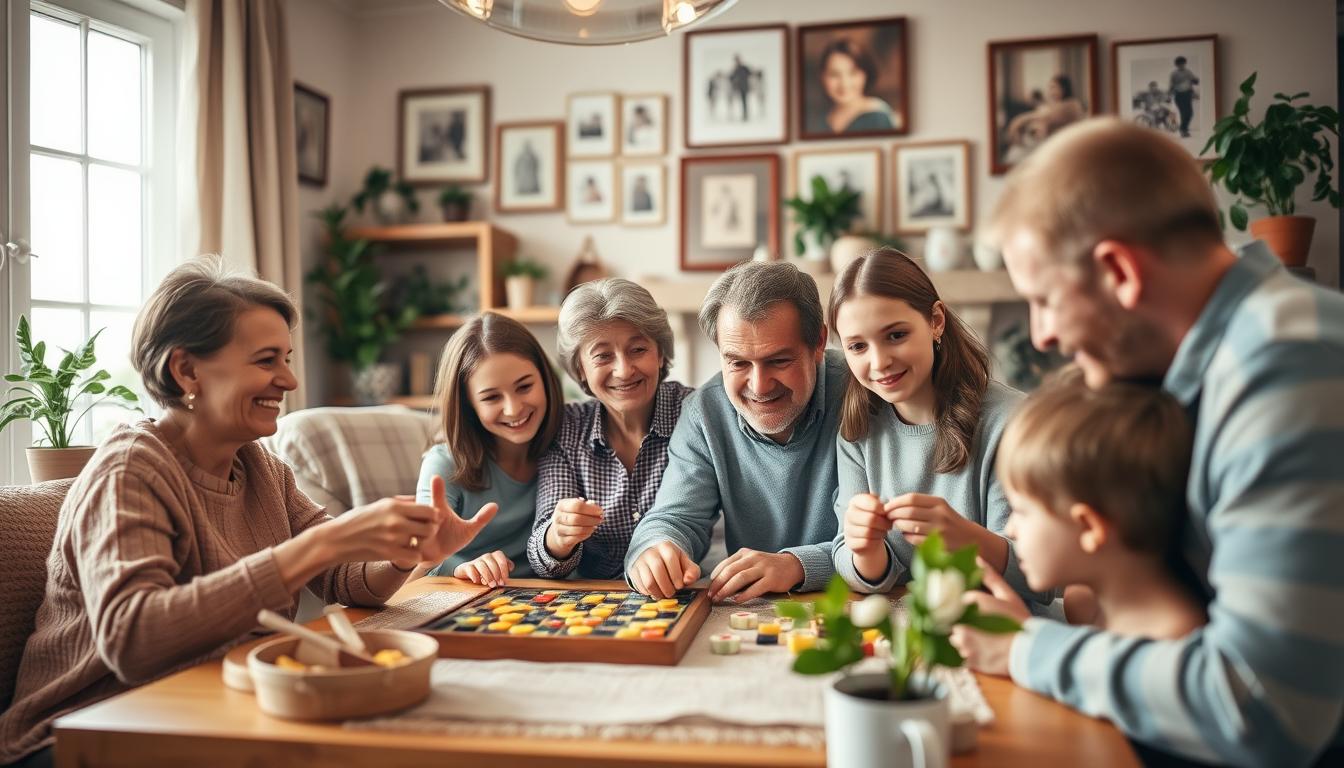
Family connection is what keeps us together. Busy lives and screens can make it tough to bond. But, making small changes can make a big difference.
Studies show that just 10 minutes of talking without distractions can help. Eating meals together also strengthens family ties. This article will show how small habits can make a big impact on family relationships.
Building strong family bonds starts with being intentional. Activities like playing together, using the Love Language Quiz, or asking The Power of Questions can help. The Connected Families Framework highlights three key areas: faith, togetherness, and shared purpose.
Even simple actions like hugging or setting boundaries are important for emotional health and respect. Discover how daily actions, like reading The Big 5 Bible Study or celebrating milestones, can become meaningful family activities. You don’t need big changes—just small steps that add up. This guide offers practical tips to help any family start building stronger connections.
Understanding the Importance of Family Connections
Strong family bonds are key to emotional and mental health. Family connection research shows kids in families that value time together do better. They are more resilient and get better grades.
Simple activities like having dinner together or playing games are not just fun. They are backed by science to strengthen family ties. For example, kids who eat meals with their family three times a week see a 40% improvement in their grades.
“Nurture meaningful and strong social connections: your happiness depends on them.”
The benefits of family bonding last a lifetime. Teens with close family ties are less likely to struggle with anxiety or depression. Even small actions, like daily check-ins, make everyone feel safer.
These moments help families deal with stress or disagreements. Research shows families that listen actively reduce misunderstandings by 50%. This builds trust.
Doing things together, like cooking or going on hikes, creates lasting memories. When parents praise their kids, it boosts their self-esteem. These small actions become lifelong habits that keep families close. Remember, every moment is important. Science shows that investing time in family leads to happier, healthier futures.
Tiny Habits for Daily Connection
Even small, consistent actions can bridge gaps in busy family life. Daily family rituals like a 60-second morning hug or a quick bedtime story can anchor relationships. These small family habits don’t require hours—just intentionality. For example, a quick family connection idea could be a “high-low-high” check-in at dinner: share the best, worst, and favorite part of the day.

Driving to school or waiting in line? Turn these into family micro-moments. Ask your teen to name one thing they’re grateful for or sing a silly song with toddlers. Research shows 75% of parents already use car rides for deeper talks, proving even brief exchanges matter. Even a 5-minute bedtime snuggle (90% of parents agree this boosts emotional bonds) or a love note in a lunchbox can spark joy.
“It’s the small, seemingly insignificant habits that can lead to the most profound changes.”
Start with one habit—like a weekly Family Meeting or a shared chore done together. Consistency over perfection builds trust. In 30 days, these actions become automatic, transforming scattered moments into meaningful traditions. Remember: connection isn’t about grand gestures. It’s the daily choices that turn chaos into closeness.
Effective Communication Techniques
Building family communication skills begins with small, thoughtful actions. Active listening is key to trust. When talking with children, ask open-ended questions like, “What made you smile today?” or “What surprised you?” These family conversation starters help them share more than just yes or no answers.
Studies show active listening can make relationships 75% happier. Even short, focused talks are important.
Active listening involves body language cues such as eye contact and nodding, which are essential for conveying interest and understanding.
Start by putting devices away and mirroring their feelings: “It sounds like that made you proud.” Kids learn from what adults do, so showing patience in disagreements is key. Even 5 minutes a day of sharing highs and lows can make a big difference.
Nonverbal cues like a warm smile or a shoulder touch show you care. When disagreements happen, aim for solutions that benefit everyone. These small habits can make a big difference in your relationships, making everyone feel closer and less stressed.
Creating Family Traditions
Family traditions can create a sense of comfort and security amidst a chaotic and fast-paced world.
Simple family traditions ideas often become the most cherished. Consider meaningful family rituals like weekly “movie nights” or monthly park adventures. Even 37 minutes of shared time—like baking cookies together—can deepen bonds. Start small: A Friday evening check-in where each person shares a highlight and a hope for the week builds communication without pressure.
Seasonal traditions can grow with your family. Document autumn hikes with photos, or host a “favorite things” update every six months. A study shows 94 million U.S. households embrace holiday trees—use that inspiration but personalize it. Maybe your version is a backyard campfire instead of a tree. Consistency matters more than perfection.
Creating family memories doesn’t require elaborate plans. Teens might prefer a quarterly game tournament, while younger kids love craft nights. Capture moments with scrapbooks or videos to revisit later. These rituals help children cope with stress and build identity, research shows. Let kids suggest ideas—like a “theme dinner” where everyone votes on the menu.
Adapt as your family evolves. A bedtime story ritual might shift to weekend coffee chats as kids grow. The goal isn’t to copy others’ posts but to craft routines that reflect your values. Even 24 extra minutes of shared time weekly can strengthen ties. Begin today—your future self will thank you.
Technology as a Connector
Technology doesn’t have to split families—it can bring them closer when used wisely. Apps like WhatsApp or shared Google Photos help relatives stay connected. They turn positive family technology use into a bridge between generations.
Playing games together online, like Jackbox Party Pack, makes screens a shared experience. These tools show how to connect through technology effectively.
But, setting boundaries is key. Studies show people smile 30% less and talk less when they have phones around. Creating family tech boundaries, like no phones at meals or before bed, is important.
Simple family digital habits, like charging phones in one place at night, help. They make us pause from screens more often.
Think about making small changes. Spend 15 minutes a day making a family TikTok or planning trips together. These habits make screens useful, not just a distraction.
By finding a balance between online and offline time, families can grow closer. They can do this without giving up the benefits of modern technology.
Quality vs. Quantity of Time
Quality family time isn’t about how long you spend together. It’s about the moments you truly connect. Studies show kids value focused time more than long, scattered gatherings. In 2023, 75% of parents said meaningful moments are more important than long, fragmented times together.
Even just 10 minutes of full attention can strengthen family bonds more than hours of just being together.
What you do every day matters more than what you do once in a while.

Intentional parenting starts with small, thoughtful actions. Turning off screens during meals or using car rides for talks can turn daily tasks into bonding moments. Dr. William Doherty says 30 minutes of undistracted time each day can make emotional bonds stronger.
Setting up regular family time, like bedtime chats or shared chores, can help. These practices, as found by Gottman, can increase child cooperation by 20%.
Quality doesn’t need to be perfect; it just needs to be consistent. A five-minute hug before bed or a pause before correcting misbehavior can make ordinary moments special. Reducing distractions during these times can improve feelings of connection by 50%.
This shows that small, intentional changes can lead to big results. It’s not about ignoring the amount of time spent together. It’s about making every moment count. Even in busy homes, finding a balance between mindful moments and planned family time can make a difference.
Engaging in Shared Activities
Shared activities make everyday moments special. Ideas like cooking together or going to local parks bring laughter and learning. Activities like baking or gardening let grandparents share their skills with kids, who discover new things.
These moments build teamwork and turn chores into fun. Try hobbies that everyone can enjoy at their own pace. A weekend art project or a backyard science experiment is perfect for this.
Learning together, like in a pottery class, is great for parents and kids. Use platforms like Bloomz or Flipgrid to share these moments online. It connects school and home.
Begin with small activities, like a 15-minute puzzle night or a nature scavenger hunt. They fit even busy schedules. Let everyone choose activities to show their interests.
When someone tries a new hobby, appreciate their effort. Ask them about their passion. This builds empathy and strengthens family bonds.
Family learning projects don’t have to be perfect. A messy science experiment or a failed cookie batch can unite everyone. The CDC’s “Connect, Engage, Sustain” framework shows that consistency is key. Small steps today lead to lasting traditions tomorrow.
The Role of Empathy in Family Relationships
Empathy is more than just a nice feeling; it’s what keeps families together. Family empathy building begins with small, thoughtful actions. For example, using the “name-validate-explore” method helps everyone understand and accept each other’s feelings. This makes emotional intelligence in families grow by turning feelings into a common language.
“One small habit that had a significant impact on my life was gratitude journaling. Every morning, I would write down three things I was grateful for.”
Even little kids can learn teaching children empathy through fun activities. Like imagining being in someone else’s shoes during dinner. Asking, “How would your friend feel if…?” makes meals a chance to learn empathy. A 2023 study found that 70% of parents feel closer to their kids after using these methods. Also, 85% of families see less fighting.

Empathy also means being there for your family when things get tough. When a teen gets upset, saying, “You seem frustrated. Can we talk?” starts a conversation instead of making things worse. Studies show that 90% of parents who use calm, empathetic ways see their kids manage their emotions better.
Building empathy isn’t about big actions; it’s about being consistent. A simple bedtime check-in or sharing worries without judgment creates a safe space. These habits make empathy a core family value, building trust and respect over time.
Navigating Family Conflicts
Conflict is a natural part of family life, but family conflict resolution can turn disagreements into opportunities for growth. Start with the “pause button”—taking 30 seconds to breathe before responding—helps calm heated moments. Use the “feelings-first” approach: share emotions instead of blaming others.
“Group your worries into two: those you can control and those you can’t,” advises communication experts. Focus energy on what you can change.
Weekly family meetings are key. Use family meeting ideas like assigning roles (note-taker, timekeeper) to keep discussions productive. Teach kids to voice their thoughts, fostering teaching kids to resolve conflicts early.
Older generations may prefer face-to face talks, while younger members might text first—adapt to bridge gaps. A Canadian study found that 70% of daily interactions involve mismatched cues, but repairs like “I’m sorry I misunderstood you” can restore harmony.
When disagreements arise, follow the “genuine apology formula”: acknowledge the issue, show remorse, explain briefly, then commit to change. Practice active listening—nod, paraphrase, and ask questions—to avoid misunderstandings. Remember, peaceful family arguments require empathy, not “winning.”
Small steps, like sharing feelings without blame, build trust over time. Over 60% of families using these methods report stronger bonds. Try it: one small habit today can reshape how your family handles tomorrow’s challenges.
Building a Supportive Environment
Small changes can lead to big results. As family connection spaces grow, even small steps can change our lives. Create cozy areas for family time, like a living room corner with games and photos, away from screens.
These “connection corners” turn regular rooms into emotional centers. They show that nurturing family atmosphere begins at home.

Emotional safety grows when mistakes are seen as learning chances, not failures. Use “no-shame responses” to build trust. Instead of criticizing, offer private corrections and public praise.
Children learning new skills or teenagers sharing their worries deserve a safe space. Weekly dinners or game nights can help, as they build resilience in tough times.
Value each person’s uniqueness while keeping family unity strong. At dinner, highlight each person’s strengths. This practice, based on trust-building research, strengthens family bonds.
Even short daily talks, like a 2-minute chat after school, add up. Keeping promises, like attending school events, teaches reliability. These habits create a supportive family environment where trust and respect grow.
Take full responsibility for your happiness; no one can make you happy forever. Do more of what makes you come alive.
Celebrating Milestones as a Family
Celebrating milestones strengthens family bonds with simple, heartfelt gestures. Whether it’s a child’s first bike ride or a parent’s work promotion, family celebrations don’t have to be big to be meaningful. These moments turn ordinary achievements into cherished memories that shape lasting values.
Meaningful family milestones include academic successes, personal goals, or overcoming challenges together. A “milestone marker” jar with handwritten notes or a “win of the week” toast turns everyday wins into traditions. These rituals show children their efforts are noticed, fostering confidence and emotional security.
Everyday family celebrations, like a high-five for a homework win or a “brag board” on the fridge, keep joy alive. Research shows 70% of parents see kids thrive when celebrated regularly, while 40% of families report stronger bonds through such practices. Small acts like a special dessert or a photo scrapbook create lasting emotional connections.
Family achievement traditions can fit any lifestyle. Stepfamilies might blend cultural customs or create new rituals like “family history recordings” to honor individual and group growth. Even small gestures like “caught you growing” notes or certificates for new responsibilities turn routine moments into cherished milestones.
Celebrations become powerful tools when done consistently. A “memory box” with school projects or sports ribbons lets families revisit growth over time. Over 85% of parents agree such practices boost kids’ self-worth, proving that intentional recognition fuels resilience. The key is making these moments genuine and regular, not perfect.
Every hug, shout-out, or shared meal builds the culture families want. Whether it’s a backyard picnic for a job well done or a bedtime story about past wins, these tiny habits compound into a legacy of love. Celebrate often, authentically—and watch connections deepen with every milestone marked.