






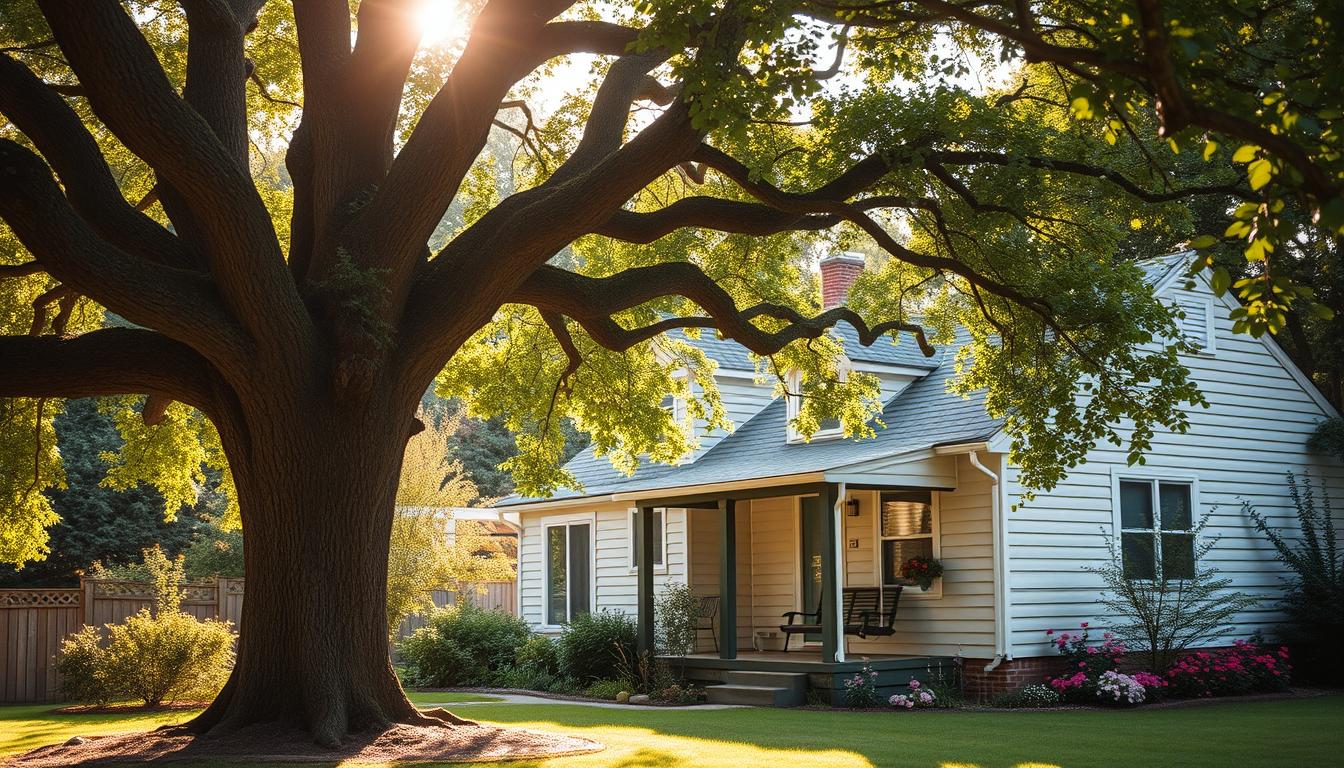
Our homes are more than just walls and rooms. They are spaces that should change as we do. Whether we’re empty nesters or growing families, our living spaces need to evolve.
Adaptive home design turns houses into flexible environments that grow with us. Today’s homes are designed to support every stage of life. They help us stay comfortable, no matter what life brings.
Imagine a home that changes with your family, adapts to new routines, and grows with your goals. This journey explores homes that transform with life’s changes.
From modular rooms to flexible layouts, the future of living is about spaces that keep up with us. They reflect who we are and who we’re becoming.
The Evolution of Our Living Spaces
Homes have always changed with society. The evolving living spaces we see today started with simple things like glass windows in the Renaissance. Indoor plumbing in the Industrial Revolution also changed how we live.

After World War II, homes got bigger and more suburban. These homes had fixed layouts that suited the 1950s. Now, we want homes that can change with us. Modern life stage housing has open kitchens, rooms that can change, and smart tech for our daily lives.
A 21st-century living room might be a home office or a place to work out. This shows how home transformation keeps up with new ways of living and working.
“A room should grow with its occupants—not the other way around,” says LFID, a Michigan design firm blending Scandinavian minimalism with functional adaptability. Their projects, from Traverse City to Detroit, show how spaces evolve alongside family needs.
Architects like Diller Scofidio + Renfro are taking this idea even further. They’ve built structures like the Blur Building, where walls turn into mist. This lets users change the space around them.
This idea matches trends like modular furniture and solar panels. It shows homes are not just places to live. They are spaces that can change with us, whether through smart tech or simple design choices. As our lives change, so do our homes, proving that adaptability is key.
The Concept of Adaptive Spaces
Adaptive home design turns living spaces into dynamic ecosystems that grow with their residents. Unlike traditional homes, these spaces are designed to change. Projects like New Babylon and Fun Palace showed that spaces can adapt as lives do.
“flexibility isn’t a choice—it’s the foundation of human-centric design.”
True adaptive design is more than just movable furniture. It involves structural flexibility—walls that change, rooms with multiple uses, and tech-ready frameworks. These flexible living spaces bring many benefits: less stress, better health, and more control. Imagine a nursery turning into a home office as kids grow up—this adaptability brings stability in life’s ups and downs.
Key principles include universal accessibility and smart zoning. Rooms that serve many purposes and modular systems allow families to adapt without starting over. Even the materials used are important: non-toxic, eco-friendly options improve air quality and keep homes future-proof. Such designs also reduce waste by 70% compared to new builds, meeting sustainability goals.
Think of it as a living organism. Spaces that grow with you, whether you’re raisinging children or aging in place. That’s the promise of adaptive design—homes that evolve, not expire.
Designing for Life Stages and Changes
Adaptive home design is more than a trend; it’s a smart choice for families. It makes homes flexible, so they can change without big expenses. Think of a room that’s a nursery one day and a home office the next.
This home transformation is made possible by smart layouts. For example, FLX Apartments use modular systems for easy changes. Today, over 70% of buyers want rooms that can do more than one thing.

Places like Gravity’s intergenerational communities show how shared spaces can bring people together. They also respect everyone’s need for privacy. With adjustable furniture and walls, you can change a room in hours, not months.
Even small updates, like a master suite on the first floor, can save money. They can also make your home more valuable. Homes that can change can sell for up to 15% more.
Smart design looks ahead to future needs. Bathrooms with grab bars and kitchens with adjustable counters help people stay in their homes longer. Open floor plans make it easy to switch from family areas to quiet spots. With remote work on the rise, 25% of homeowners are turning spaces into offices.
By choosing adaptive home design, families get a home that can grow with them. It’s a place that adapts to life’s surprises, providing stability and comfort.
Integrating Technology in Home Design
Smart home technology is changing how we live. It includes voice-controlled lights and thermostats that adjust on their own. These systems make our lives easier and help save energy.
More than 70% of homes now have smart devices. These devices can cut down on utility bills by up to 15% each year. Think about a thermostat that knows when you’re home and heats your room just then. That’s what adaptive home design is all about.
Architects like Diller Scofidio + Renfro are leading this change. The Shed in New York adjusts its lighting and climate with sensors. This shows how future-proof homes can keep up with new tech.
Songdo’s smart city in South Korea also shows how tech can improve life. It automates trash and energy use, making life easier and greener. Even Bill Gates’ home, Xanadu 2.0, has radiant floors and motorized blinds. It’s a prime example of how tech can be seamlessly integrated into homes.

Technologies like motion sensors and air quality monitors add safety without losing comfort. Smart security systems can cut down on break-ins by 30%. Voice assistants make controlling devices easy, and remote monitoring tools help builders fix issues quickly.
But there are challenges too. The Home Technology Association says there’s a gap between what clients want and what tech offers. Making sure systems are flexible and can grow with users is key. With the smart home market expected to reach $174 billion by 2025, investing in adaptable tech now is smart.
Sustainable Growth: Building for the Future
Building homes that last is more than just making them strong. It’s about creating sustainable housing that meets changing needs. Future-proof homes are designed to grow and change, not end up in landfills.
Today, over 96% of builders focus on using resources wisely. They use modular components and prefabricated materials to cut down on waste.

Passive House standards show how homes can use less energy. The Passive George project in Urbana, Illinois, is a great example. It’s a 3,200 sq. ft. home set to open in 2025.
Its design and solar panels will cut heating needs by 86% compared to old homes. This future-proof home has triple-paned windows and super-insulated walls. It stays comfortable all year, even in extreme weather.
These homes are not just energy-smart; they’re also strong. Modern building codes mean 90% of new homes can withstand disasters like hurricanes. Small changes, like LED lights and smart thermostats, can save a lot of money on energy.
As cities like Philadelphia ask for quieter, energy-independent homes, the focus is on lasting quality. Sustainable housing is not just a trend. It’s a plan for homes that grow with us, reducing waste and emissions for generations.
Personalization: Making a House a Home
Adaptive home design works best when it’s personalized. Your space should grow with you. Start by adding mementos, like a gallery wall or special furniture, to make rooms feel like home.
Small touches can change a room. A bright rug can make a seating area cozy. Plants or artwork add warmth. Mood systems let you change the feel of a room easily.
Custom kitchens or flexible walls help keep your style. They make sure your home reflects your current and future self.
Organizing services or DIY projects can clear clutter. This lets your personal touches stand out. Whether it’s a cozy reading spot or a display of travel memories, every choice makes your home special. The aim is to create a space that’s as unique as you are.
The Importance of Community in Home Design
Community-centered design is more than just building homes. It’s about creating spaces where people connect. Gardens and gathering areas help neighbors work together and support each other. A study by the Global Wellness Institute shows that where we live affects our health up to 90%.
“Spaces that prioritize neighborly bonds reduce isolation and boost mental health.”
Brighton Homes shows what this means. Their Pinnacle communities offer sustainable housing and shared spaces like parks. These evolving living spaces change as families grow, with flexible rooms and areas for remote work.
Wellness-focused neighborhoods also boost the economy. Over 1.3 million U.S. buyers look for homes in community networks. These homes can sell for 10–25% more because of their features.
As cities grow, homes need to balance privacy and community. Good community design means homes that grow with people. It ensures everyone feels connected on their journey.
Trends Shaping the Future of Homes
Future-proof homes are no longer just dreams. They feature materials that change shape and tech that learns your habits. Imagine walls that grow with a touch or floors that adjust for older people. Shape-memory alloys and electro-active polymers make structures change shape.
Changes in family sizes push for sustainable housing that grows with families. Co-living spaces and modular designs help with costs. Already, 35% of U.S. homes use smart tech like IoT devices.
Energy efficiency is a big deal. LEED-certified buildings use 25% less energy, saving money and the planet. AI helps predict when things need fixing, combining tech and green living.
“Homes must evolve as extensions of our lives, not static boxes.”
Builders are now all about speed and flexibility. Prefab parts can build homes 30-50% faster, and AI helps plan materials. With more people working from home, homes are becoming offices, gardens, and flexible spaces.
By 2056, homes that adapt to us could increase homeownership. Whether it’s solar panels or smart locks, homes need to change with us, not the other way around.
Conclusion: The Future of Homes and Our Lives
Homes that grow with us are now a must, not just a nice-to-have. Home prices in the U.S. went up 5.1% in late 2023. But, there’s 24.6% more homes for sale than last year. This means we can find homes that fit our needs.
Fannie Mae predicts home prices will grow 3.5% in 2025. This shows a move towards homes that can change with us. First-time buyers are now looking to put down 15% of the price. Programs like Rocket Mortgage’s ONE+ and Bank of America’s help make this possible.
Builders are building more homes, 322,103 in 2024. They’re focusing on designs that can change and smart tech. FHA loans now let buyers with just 3.5% down get into these homes. With more homes available, finding the right one is easier.
The National Association of Realtors expects 1.1 million new homes in 2025. Many of these will be designed for people to stay in their homes as they age. This shows the housing market is starting to see homes as places that can grow with us.
If you’re buying a home for the first time or planning to renovate, think about how your home can grow with you. With interest rates going up to 6.5% in 2025, now is a good time to look into FHA or VA loans. These loans offer low down payments.
Real estate sites like Realtor.com show that 56% of buyers want homes that can change. This means there’s a big demand for homes that can grow with us. Let your next home be a place of possibility, not just a purchase. As the market stabilizes and new ideas come along, the future of homes is full of possibilities for your life.