






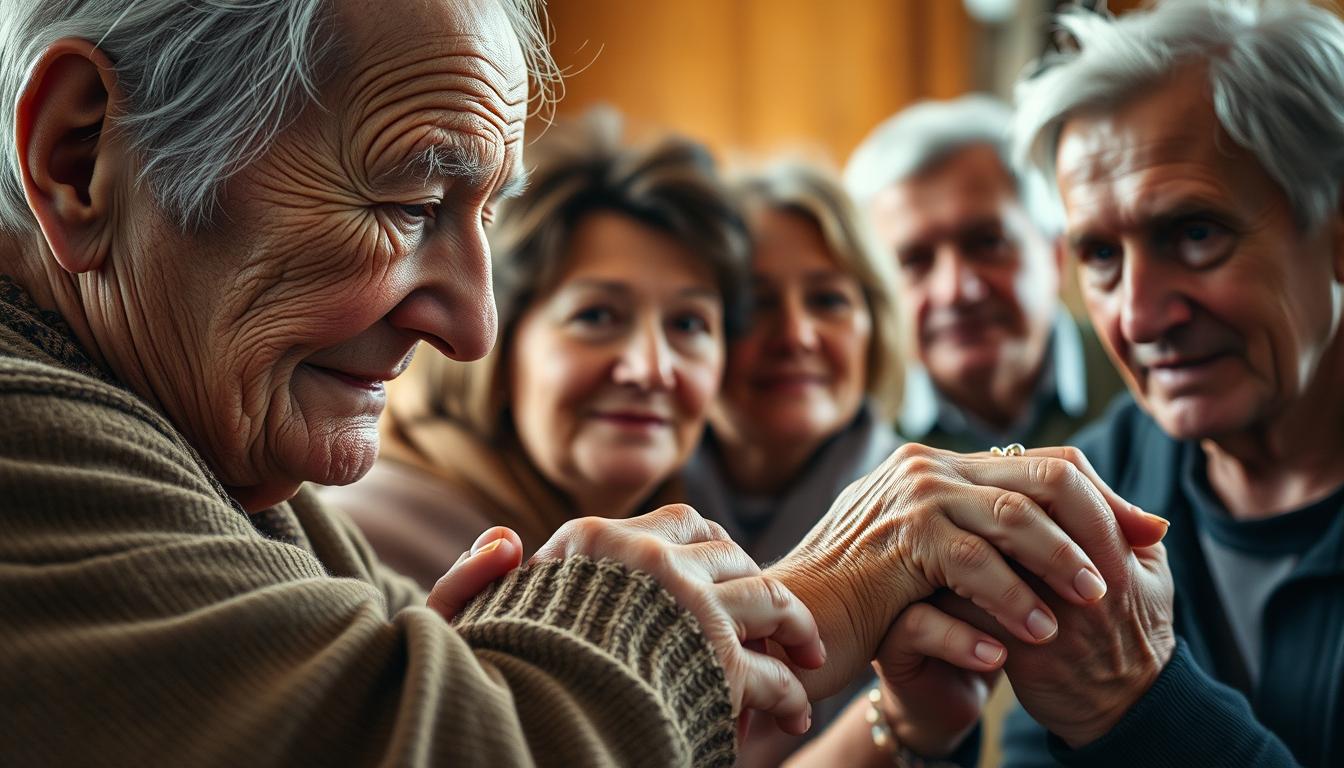
Growing old together brings deep meaning to family bonds. For families with many generations, aging together is more than just years shared. It’s a journey of trust, support, and changing traditions.
As family members age, their bonds grow stronger. They face life’s changes together. From everyday routines to big celebrations, these moments build resilience against challenges.
Studies show that couples who talk openly are happier as they age. Healthy habits like exercise and eating together become special rituals. These strengthen family ties.
Books by Caryl & Jay Casbon, married for over 20 years, show how growing together helps couples face aging. They highlight the importance of small acts, like planning for retirement or celebrating anniversaries. Every moment, big or small, adds to the legacy of multigenerational families.
The Beauty of Growing Old Together
Watching families grow older together shows family resemblances that grow stronger. Graying hair and familiar smiles show up across generations. Photos of Kate Hudson and her mother Goldie Hawn at the same age highlight aging similarities.
These visual ties aren’t just about looks. They show generational traits like mannerisms and values passed down through time.
Every family goes through a family life cycle with milestones that echo through the years. Parents see their youth in their children’s adulthood. Younger members see their future in their elders.
This connection creates a bridge between past and future. Grandparents share stories of their first jobs or marriages. This helps younger generations understand life’s rhythms.
Shared experiences, like cooking family recipes or holiday traditions, strengthen bonds. These moments show that aging is a shared journey. As years go by, laughter, struggles, and love tie families together in a timeless story.
Building Stronger Bonds with Age
Family connections grow stronger over time. Shared experiences and support create a deep bond. A 1996 Swedish study showed that cultural activities can help older adults live longer.

Family roles change as children grow up. They may help care for their grandparents. This change requires flexibility but strengthens family ties.
Even with challenges like technology, 80% of grandparents enjoy learning with their grandkids. This shared curiosity bridges gaps between generations.
Older adults in the counterclockwise study regained physical abilities after engaging with a youth-focused environment, highlighting how intergenerational bonds enhance well-being.
Activities like cooking improve family communication by 40%. Sharing recipes can bring families closer. Talking about past and present events boosts seniors’ sense of purpose by 70%.
As roles evolve, families see each other in new ways. Collaborative efforts turn past conflicts into respect. Families rediscover each other’s strengths through laughter and learning together.
The Emotional Landscape of Aging
Families dealing with aging anxieties find strength in being open together. Talking about fears, like health issues or role changes, can bring them closer. A 1996 Swedish study found that being social, like going to cultural events, can even add years to your life. This shows that emotional connections are as important as physical health.
When grandparents and adult children share their fears, they learn from each other. Ellen Langer’s 1981 study showed that revisiting past times together can refresh both mind and body. This way, families turn emotional aspects of aging into a chance for growth, not isolation. Simple activities, like walking or gardening, help ease worries and build strength.
Creating a safe emotional space starts with being honest. Families who talk openly, whether at meals or on hikes, make sure no one feels left out. Doing things together, like learning new skills or sharing past challenges, also strengthens their bond. By facing aging together, families turn it into a story of support and understanding.
Creating a Legacy of Love
Legacy is more than just things we own. It’s the stories, values, and love we share with each other. Families that grow together naturally plan their legacy through intergenerational storytelling. Imagine grandparents sharing life lessons over Sunday dinners, or teens hearing stories of resilience from their parents.
These moments weave a family’s story together. Modern tools like digital archives and family websites make heritage preservation easy. Recording voices, digitizing photos, or creating shared blogs keeps stories alive.
One couple said, “Our kids now ask questions we never thought to write down. Technology lets us capture it all.”
“Faith and kindness are the roots of our family tree,” said a third-generation couple who prioritize family values transmission through annual traditions like annual “memory nights.”
Studies show 75% of older adults who connect with younger kin see cognitive benefits. Start small: a grandparent teaching a recipe, or a parent writing letters for kids to read later. The goal is to show love’s lasting power through action and memory.
As one 46-year-married couple advised, “Legacy is sown daily, not saved for later. Plant seeds of honesty, humor, and compassion now.” Every shared laugh, every taught skill, becomes part of the story future generations will carry forward.
The Role of Technology in Family Relationships
Technology has changed how families connect, thanks to virtual family gatherings. Now, Zoom and FaceTime let grandparents watch their grandkids grow in real time. During the pandemic, daily video calls became a must, keeping bonds strong.
Digital tools also help families keep memories alive. They can share photos and videos instantly, no matter where they are.
Seniors are getting more tech-savvy, with 5.4 million UK adults over 75 now online. Younger family members teach older relatives how to use apps. This way, everyone learns together.
Apps like WhatsApp and Facebook Groups make it easy to organize events or share updates. Services like Google Photos make it simple to store family history for decades.
In Japan, robots help with elderly care, and the PARO seal comforts Alzheimer’s patients. Programs like the Humanitas in the Netherlands use tech to connect students and seniors. This strengthens their bonds.
Even simple tools like shared calendars or digital family trees help keep families together. While screens can’t replace hugs, technology keeps families connected. It turns screens into bridges, not barriers, keeping love alive across distances.
Maintaining Health and Wellness Together
Family wellness routines strengthen bonds and improve health. Family health initiatives like cooking together or going on hikes create lasting habits. Imagine grandparents teaching gardening to their grandchildren—a perfect mix of multigenerational fitness and quality time.

Research shows seniors who stay socially engaged are 50% less likely to face cognitive decline. Healthy aging support starts with daily check-ins, meal planning, or even tech tools for medication reminders. AARP highlights that families practicing these routines report higher life satisfaction.
“When we walk together, I feel stronger,” says Linda, 68, who exercises with her adult children three times a week.
Activities like board games or volunteering bridge generational gaps. Canada’s social prescribing programs show communities thrive when families join fitness classes or cooking workshops. Small steps—like swapping screen time for outdoor play—build resilience against loneliness.
Start simple: plan a weekly family workout, share recipes focused on nutrition, or schedule monthly health check-ins. These family wellness routines turn health into a shared adventure, not a chore. Together, every generation gains strength—and joy.
Exploring New Hobbies as a Family
Intergenerational hobbies bridge the gap between generations, turning differences into strengths. Families can bond over cooking classes, gardening, or learning a new language together. These shared activities foster curiosity and mutual respect.
Grandparents can teach grandchildren about baking. Younger members can show older relatives how to use digital tools for genealogy research.
Family learning experiences thrive when activities fit everyone’s pace. A multigenerational recreation project like building a backyard garden offers physical exercise for older adults. It also provides hands-on science lessons for kids.
Over 67% of families report stronger bonds after trying new hobbies together. 25% of them experience higher happiness levels. Crafting, hiking, or board game nights can become cherished traditions.
“When we started painting together, I realized my 80-year-old father had more to teach me than I thought,” says Sarah, a mother of two. “Now we plan projects that mix his watercolor skills with our digital design ideas.”
Shared activities don’t require perfection—just participation. Cooking classes let grandparents pass down recipes while teens learn nutrition. Even simple projects, like compiling family photo books, become opportunities for storytelling.
With 80% of seniors reporting less loneliness through these pursuits, families gain mental and physical health benefits. From pottery workshops to nature walks, choosing hobbies that respect different abilities ensures everyone stays engaged. The key is curiosity over competition—turning every gathering into a chance to grow together.
Celebrating Life’s Challenges Together
Family resilience grows when everyone faces challenges together. Health issues, money changes, or big life changes help families get closer. Laughter, like jokes about gray hair or tech problems, brings everyone together.

When families learn from each other, they grow stronger. Kids help with phones, and elders share their life wisdom. Studies show 72% of young people value their elders’ advice, building respect and teamwork.
Even in tough times, small wins are big deals. Like when a grandparent learns to use video calls. These moments show how adaptable we can be.
Aging with grace means looking at life’s ups and downs with a positive view. Seniors often stay active, doing volunteer work or running marathons. Their courage inspires younger family members, showing that challenges can make us stronger.
When families talk openly about their fears and dreams, they create something special. Working together on projects or caring for each other turns hard times into achievements. By valuing each other’s efforts, families build a legacy of bravery and connection.
The Impact of Time on Family Dynamics
Time changes relationships in deep and subtle ways. As years go by, families see evolving family dynamics from shared experiences and changing roles. Conflicts that seemed impossible to solve can disappear as perspective shifts with age, opening doors for family conflict resolution.
Grandparenthood often brings siblings closer as they work together on raising their kids.
As people get older, they often become more emotionally mature. Studies show 81% of long-term couples share the same faith, showing how important values stay. But today’s families face new hurdles: 53% of 25- to 54-year-olds are married, less than before. These changes lead to relationship growth as families adjust to new social norms.
“Time reveals what truly matters,” says family therapist Dr. Elena Marquez. “Generations learn to prioritize love over old grudges.”
Talking openly about aging can help reduce stress. Data shows 64% of Black Americans are hopeful about the future, compared to 41% of White Americans. This shows how different cultures view life stages. Families can bond through rituals like updating annual traditions. Even small actions like sharing meals or working on projects together can strengthen ties.
When disagreements happen, focusing on respect helps heal. Over 60% of couples in interfaith marriages find common ground through compromise. Embracing these changes helps families grow stronger, turning years into wisdom instead of divisions.
Handling End-of-Life Conversations
Talking about mortality conversations is tough, but it brings clarity and comfort. Family end-of-life planning makes sure wishes are followed, easing stress. Pick a calm spot, like a meal or quiet afternoon, for these talks.
Use tools like the Five Wishes document to guide. It helps discuss values, care wishes, and final messages.

Begin with questions like, “What matters most to you?” to start legacy discussions. Talk about practical steps: advance directives, care settings, or a celebration of life. Most Americans want to die at home, but only 30% do without planning.
Planning ahead increases the chance of honoring personal choices.
“These talks aren’t just about death—they’re about living fully,” says Dr. Sarah Thompson, palliative care specialist.
Cultural and religious values influence wishes. Use resources like AARP’s guides to connect generations. Hospice care, focusing on comfort in the final months, helps when planned early.
Regular talks keep conversations going as needs change.
Start small today for peace tomorrow. Begin now to turn uncertainty into understanding and love into action.
The Value of Family Gatherings
Planning family reunions is more than just setting dates. It’s about connecting generations. Events like those hosted by Wendy Schulz, who has been married for 39 years, show the power of tradition. These gatherings keep family stories alive, creating bonds that last a lifetime.
Creating inclusive family events requires creativity. Susan Hunt suggests mixing structured activities with free time. A yearly family photo or a holiday talent show lets everyone contribute. Technology also plays a role, keeping everyone connected through streaming recipes or sharing slideshows.
“The best moments happen when we stop worrying about perfection and just enjoy being together,” says Sharon Betters, whose 1 great-grandchild symbolizes new traditions forming.
Family traditions honor both past and present. Even small changes, like adapting diets or setting up quiet spaces, make events welcoming. These gatherings are more than just events; they’re how families build resilience together.
Cherishing Everyday Moments
While big events get all the attention, it’s the daily family connections that truly matter. A meal together, a call, or a quiet day can strengthen bonds. These appreciating small moments lay the groundwork for a life spent together.
Only 5% of U.S. couples make it to 40 years of marriage. Yet, those who do often point to regular date nights or hobbies as key. Such quality time across generations is not just a memory; it’s a way to grow stronger together.
Practicing mindful family time means focusing on being present, not perfect. Turning off devices during meals or sharing stories without distractions strengthens family ties. Research shows couples who do things together are 15% happier.
Even small actions, like a grandparent teaching a recipe or a teenager sharing a song, create lasting memories. Technology can help, but only if it brings us closer, not further apart.
Studies show 40% of older adults feel lonely, but those who practice gratitude feel more connected. Saying “thank you” or keeping a photo journal of daily moments can turn the ordinary into something special. The author’s 33-year journey shows that being consistent in love and faith is key.
As we age, it’s not the big events that matter most, but the small, intentional moments. Whether it’s a walk on Sunday or a prayer shared, these moments shape our family’s story. The greatest legacy is knowing that every day, we chose to see each other.