






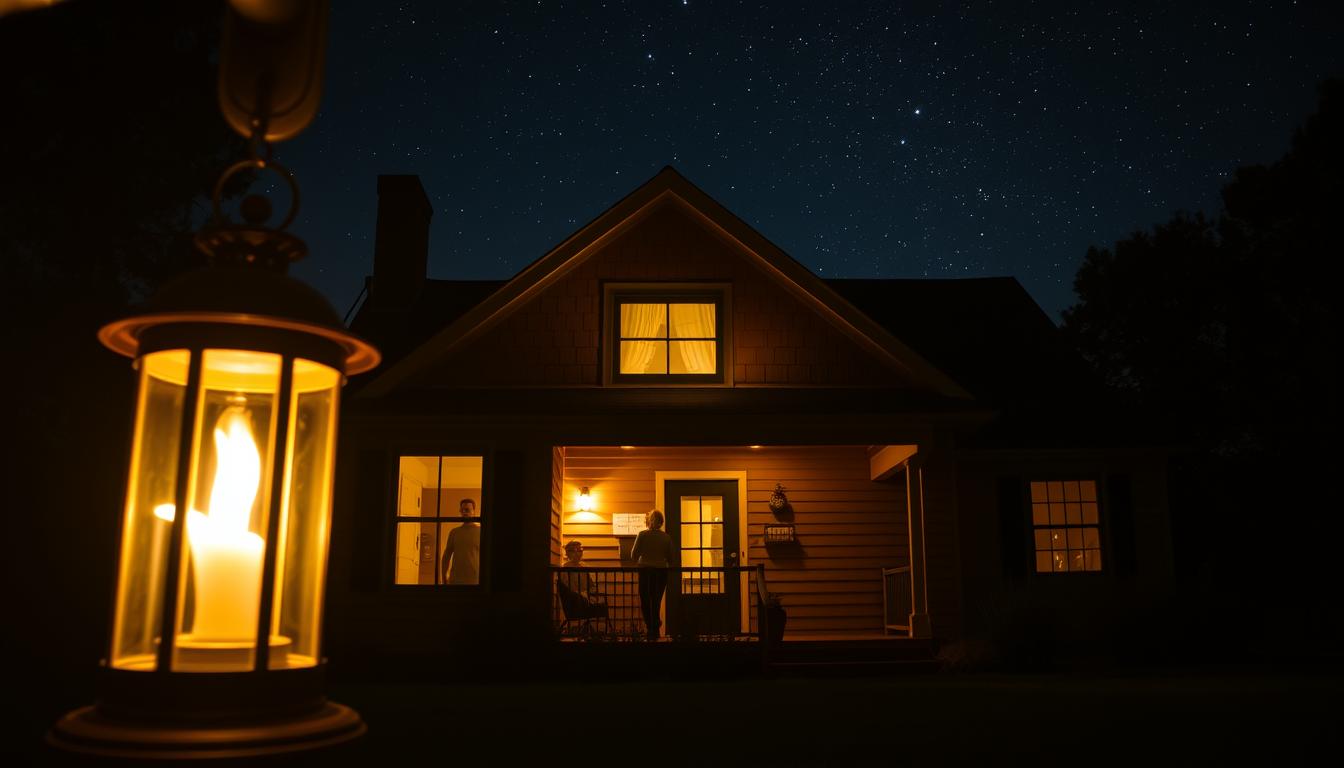
Imagine walking up to a home that’s glowing warmly. Its lights are steady and bright, acting as a home beacon for loved ones. This constant constant illumination is not just practical. It’s a symbol of safety and comfort.
For many, always on lighting creates a welcoming home atmosphere. It blends security with emotional warmth. But there’s a balance behind the glow. It involves energy use, safety, and design.
From Edward Johnson’s first electric holiday lights in 1882 to today’s LED innovations, lighting shows tradition and innovation. Modern light management keeps homes bright without risk. It prevents flickers from loose wiring and chooses energy-efficient bulbs.
This article looks at how lighting choices shape our daily lives. It shows how lighting can save costs and enhance safety. Light is more than brightness—it’s a statement of care and style.
The Comfort of Constant Illumination
“Your inner light needs nurturing. Maintaining a daily practice of self-care, taking time for self-renewal and reflection, and finding ways to bring joy into your life are all essential practices.”
Home comfort lighting makes spaces feel like safe havens. Warm white light (2700K–3000K) helps reduce stress and makes us feel calmer. Cool light (6500K) boosts alertness.
It also helps with seasonal affective disorder and adds emotional warmth. A study found that red light makes people feel more anxious and less calm than white or blue light. This shows how color affects our mood.

Dark spots can make us feel anxious, but good lighting fixes that. Using warm hues like 3000K and high CRI (over 80) makes colors look natural. This improves visual comfort.
LED lights are now flicker-free, which is good for our eyes. They also keep the mood-enhancing qualities we love. Homes feel welcoming with consistent lighting.
Many people share how mood lighting helps them relax. A well-lit entrance or living room makes us feel safe and at home. Warm light also helps lower depression by regulating our body’s clock.
By focusing on good lighting, we make our homes places of peace and well-being. Every light adds to our mental and emotional health.
Energy Efficiency and Cost Management
Switching to energy efficient lighting can greatly reduce your utility bills. LED bulbs, like Philips Hue or GE Reveal, use 75% less energy than old incandescent bulbs. Replacing all 70 bulbs in your home could save you over $80 a year.
Smart home lighting systems let you control your lights from anywhere. You can set schedules, dim lights remotely, and track your energy use with apps. This makes managing your lighting bills easier.

Lighting accounts for up to 15% of U.S. household electricity bills, according to the Department of Energy.
Motion sensors and daylight sensors help save energy by turning off lights when not needed. Using warm white LEDs in living areas and cooler tones in workspaces is efficient and comfortable. Smart timers also help save energy by turning off lights when not in use.
Upgrading to LED bulbs and using smart power strips can cut down on standby power waste. Many utilities offer rebates for LED upgrades, which can increase your savings. Simple actions like using natural light and dimming lights can also make a big difference.
Safety and Security in Lit Spaces
“The Beacon bringing light back into people’s lives”
Good home security lighting makes places safer. Studies show homes with perimeter lighting have fewer break-ins. Most burglaries happen during the day, between 10 AM and 3 PM.
Systems like motion sensors can scare off intruders, lowering crime by up to 50%.

Smart safety illumination is all about the right amount of light. Too much can help burglars find their way out. The Illuminating Engineering Society suggests 1 foot-candle for roads.
Lighting at entryways and driveways can scare off threats without being on all the time.
Emergency lights keep areas lit during power outages. LED lights cost $20–$50 each, while solar ones save on energy. Floodlights cover big areas, but motion sensors surprise intruders better.
Experts say to check for dark spots in your perimeter lighting. Adding crime prevention lighting with infrared cameras boosts security. Even simple lights, like those for pathways, can lower burglary rates by 30%, according to the National Institute of Justice.
The Role of Light in Daily Routines
Light is more than just for seeing. It guides us through our day. Circadian lighting systems change colors to wake us up in the morning and calm us down at night. In the morning, bright light (500 lux) helps us focus. At night, dimmer light (100 lux) tells our bodies it’s time to sleep.
Research shows that 61% of people with Seasonal Affective Disorder (SAD) feel better with bright light therapy. This proves how important light is for our mental health.
Light schedules meet the needs of every family member. Kitchens are bright for cooking, bedrooms are dim for sleep, and study areas are bright but gentle on the eyes. This helps kids study well and parents relax without disturbing sleep.
Adjustable LEDs and dimmers make it easy to change the light. They reduce falls by 55%.
“Light’s rhythms keep us balanced,” says Dr. Amanda Brown, a sleep researcher. “It’s more than bulbs—it’s a lifestyle.”
Smart systems match light with our daily activities. Cool tones wake us up in the morning, and warm tones help us relax at night. By matching light with nature, our homes become places that help us work better and rest better.
Small changes, like dimming lights before bed, can make a big difference. They help families stay healthy and in sync with their natural rhythms.
The Aesthetics of Home Lighting Design
Creating beautiful and functional spaces starts with smart home lighting design. Over 70% of homeowners say lighting sets the mood in their homes. The right aesthetic illumination makes fixtures into art.
Start by layering light: ambient for warmth, task for clarity, and accent for highlights. This mix turns rooms into welcoming places.
“Layered lighting is the foundation of modern design. It’s not just about brightness—it’s storytelling with light.” — Interior Designer Magazine

Color temperature affects mood. Warm tones (under 3000K) make living rooms cozy. Cool light (4000K+) energizes kitchens.
Decorative lighting like pendant lights adds personality. Mid-century spaces use exposed bulbs, while shabby chic prefers soft, golden hues. Over 65% of diners like decorative lights that enhance meal presentation.
Architectural lighting makes fixtures part of the structure. Track lighting or recessed cans highlight high ceilings or art. Over 80% of living rooms now have adjustable lighting for day and night.
Lighting isn’t just practical—it’s a canvas. By mixing architectural lighting with decorative flair, homes inspire. The right light turns walls into canvases and corners into cozy spots. Let every bulb cast purpose and beauty.
Lighting for Different Activities
Activity-based lighting design changes how we use our spaces. For reading, desk lamps with 500–1000 lumens help avoid eye strain. Adjustable lamps or under-cabinet lights in kitchens provide focused reading light solutions without glare.
Entertainment lighting sets the mood for fun. The Sky Lite Evolve Galaxy Projector ($39.99) creates a starry sky for movie nights. String lights warm up dinner parties. LED strips let users pick from 11+ colors, saving up to 80% energy.
“Galaxy projectors are trending for home events,” says a TikTok lighting guide, with 2 million+ posts featuring such setups.
For relaxation, soft, warm lights are key. Floor lamps with 2700K bulbs make cozy reading spots. Dimmable lights adjust for bedtime. The BlissBulb Laser LightBulb ($9.99) offers calming light shows for meditation. For older adults, 500-lumen task lights with anti-glare shades improve visibility safely.
Multiuse spaces benefit from adjustable LED track systems. Kitchens get 800-lumen under-cabinet lights for prep, then shift to 3000K tones for dinners. Smart dimmers adjust brightness levels, making spaces functional yet welcoming.
Layered lighting, like accent fixtures three times brighter than ambient lights, makes rooms dynamic. A Chicago home office uses 4000K desk LEDs for focus and warm overhead lights for meetings. This shows activity-based design works in real homes. With LED lifespans up to 50,000 hours, these solutions last years while cutting energy costs.
Eco-Friendly Alternatives to Traditional Lighting
Solar home lights are a bright choice for those looking for eco-friendly options. Modern solar-powered lights, like outdoor sconces and lanterns, use sunlight to light up your space day and night. Brands like Philips and EcoSmart offer stylish designs that are also good for the planet.
Imagine your pathways lit up by solar garlands or your driveway lit by self-sufficient lamps. These innovations save on energy bills and reduce our reliance on the grid.
“Solar technology now delivers 99% lower costs than decades past, making it accessible for every home.”
LEDs are key to green lighting. They use 75% less energy than incandescent bulbs and last up to 13.7 years with daily use. Over 25,000 hours, LEDs cost just $30 to run, much less than incandescent bulbs’ $169.
Dimmable smart LEDs also save energy. They can use up to 35% less power when used with occupancy sensors.
Now, we have recyclable fixtures and bioluminescent materials in the market. Brands like GreenLumin make table lamps from 90% recycled aluminum. BioGlow is exploring plant-based light sources. These solutions aim to reduce environmental harm at every stage of a bulb’s life.
Solar lamps are great for off-grid living, replacing polluting kerosene lanterns. A California home cut its outdoor energy use by 80% after installing solar sconces. Start your journey to sustainable lighting by checking your current fixtures and choosing ENERGY STAR-certified products. Replacing five incandescent bulbs with LEDs can save $75 a year on energy.
Maintaining and Upgrading Home Lighting
Regular lighting maintenance keeps homes bright and efficient. Start by inspecting fixtures every six months—more often in kitchens or bathrooms. Clean dust from bulbs and shades to maximize brightness. Bulb replacement strategies matter too: LEDs last 25,000 hours, outlasting CFLs by years. Swap burnt-out bulbs promptly to avoid overworking circuits.
Spot issues early with lighting troubleshooting. Flickering lights may signal loose connections; buzzing fixtures could mean overheating. Address problems quickly to prevent bigger costs. For major repairs, consult licensed electricians—safety first.
Upgrading to LED fixtures can cut energy use by 80%.
Boost lighting system longevity by prioritizing fixture upgrades. Outdated fixtures strain circuits and waste energy. Replace them with modern designs that blend style and efficiency. Track purchases and installation dates for future reference.
Simple swaps like dimmers or smart timers save money and improve safety. Many utility companies offer rebates for eco-friendly upgrades, making the switch affordable. A well-maintained system not only saves energy but also adds value when selling a home.
The Future of Home Illumination
Future lighting technology will make homes smarter and more adaptable. Li-Fi, which uses light for communication, is a big step forward. It shows how lighting will do more than just light up a room.
Health-focused lighting will adjust to our natural rhythms. It will change colors to wake us up in the morning and calm us down at night. Research shows it can even help prevent falls in senior homes.
Smart home systems will make it easy to control lights with voice commands or sensors. This could save up to 75% of energy compared to old bulbs. Lights will soon be customizable and eco-friendly, thanks to brands like Philips and LIFX.
Health is a big reason for these changes. The NIH says better lighting can reduce anxiety. The NKBA wants lighting that’s safe and doesn’t cause glare. Future lights might even warn us about health issues through precise lighting.
Lighting is becoming a key part of our comfort and safety. Imagine lights that know your schedule or mimic the sun’s cycle to help you sleep. These advancements aim to make our homes not just functional but also caring.