






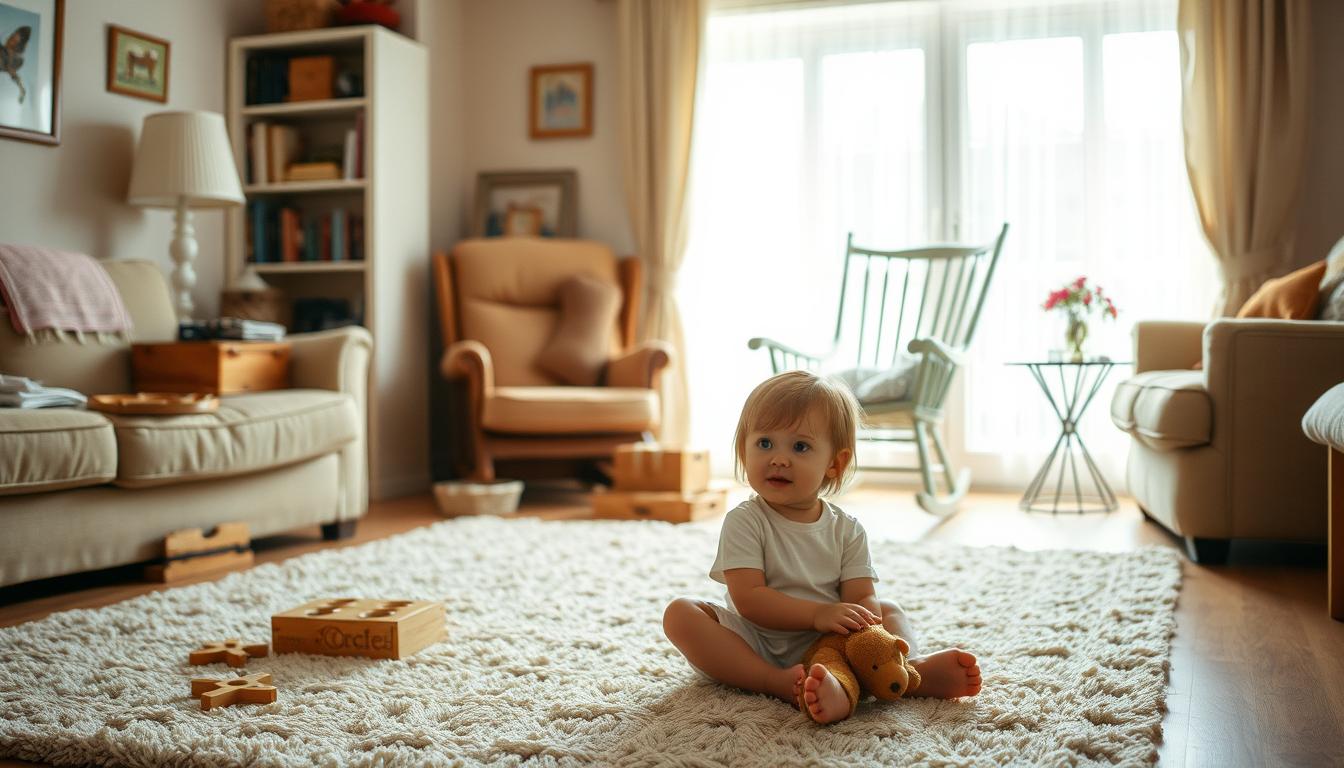
Childhood smell memories shape our sense of safety as adults. Our noses have about 400 scent receptors. These receptors connect directly to our brain’s emotion and memory centers.
This connection is why smells like freshly baked cookies or a parent’s perfume can bring back comforting memories from our early years.
Research shows that experiences between ages 3 and 11 greatly shape our emotional growth. By age 8, our sense of smell is at its peak. This creates strong memories linked to feelings of safety.
Studies show we remember smells better than sights or sounds. This makes scent a powerful way to trigger emotional responses.
Recent research from Vitenfabrikken’s 2022 exhibition used smell boxes with 5 distinct odors to engage kids. It showed that scent and comfort are closely linked. As we explore these connections, we learn how scents like lavender or a grandparent’s kitchen become symbols of safety.
Understanding the Science of Smell
The science of smell begins with your olfactory system. This is a network of nerves and receptors in your nose. Unlike sight or sound, smells go straight to the limbic system, the brain’s emotional center. This is why certain smells can instantly bring up strong feelings or memories.
The amygdala and smell connection is key. The amygdala handles emotions, and the hippocampus is linked to smell memory formation. When you smell coffee brewing, these parts work together. They connect the scent to your first morning cup as a child.
“The Proust phenomenon shows that scent-triggered memories are often more vivid than those from sight or sound,” noted researchers studying odor-evoked nostalgia.
Childhood is a critical time for these connections. By age 10, the olfactory system is fully formed. This makes early scents deeply etched in our brains. A grandmother’s perfume or a rain-soaked lawn can feel like a time machine. The neurological response to scents here is automatic—no thinking required, just feeling.
Brands like hotels or retailers now use this science. A bakery’s bread aroma isn’t just a smell—it’s a strategy to boost customer comfort. Every whiff taps into the brain’s primal wiring, proving smell’s unique power over mind and memory.
Nostalgia and Memory: The Connection
Olfactory nostalgia connects our past and present through scent. The Proust effect shows how a single smell can bring back childhood memories. Just like Marcel Proust’s madeleine cake, a scent can instantly transport us back in time.
Scents go straight to the amygdala and hippocampus in our brain. These areas handle emotions and memories. This is why scent memories are often clearer than those from sights or sounds.
Childhood is a key time for forming smell associations, between ages 5–10. A freshly baked cookie or a grandparent’s perfume can become a lasting memory. Research in Chemical Senses reveals these memories stay strong for years, even when other details fade.

Not all scents bring happiness. Some, like a hospital antiseptic, can be painful. Yet, positive smells from childhood often become lifelong comfort cues. Brands use this to bring back old favorites.
Even making Grandma’s recipe can bring back family bonds. These connections are not just personal. They also shape our cultural heritage, passing down traditions through scent.
Common Childhood Scents and Their Effects
Childhood smells leave lasting memories. Scents like freshly baked bread or grandmother’s kitchen smells, like cinnamon or vanilla, bring back warm memories. A study found 76% of adults link certain smells to happy times, with Play-Doh and freshly cut grass being favorites.

Home scent memories include a parent’s perfume or the smell of clean laundry. Scents from crayons, wooden toys, and bubble bath are also memorable. For many, grandmother’s kitchen smells remind them of family gatherings. The smell of an old teddy bear brings comfort.
Cultural differences affect which smells are most meaningful. In the UK, rosemary or bonfire scents might be favorites, while others love the smell of freshly baked cookies. Brands like Peter Alexander use scent branding to bring back nostalgic feelings. Even the smell of a schoolyard or a grandmother’s perfume can be comforting.
These smells stay with us into adulthood. Aroma therapists and retailers use this to create safe and familiar environments. Whether it’s the smell of movie theaters or new school supplies, these scents are more than memories. They are pathways to calm and a sense of belonging.
The Comfort of Familiarity
Our brains find familiar smells comforting. The olfactory system connects directly to the limbic system. This means smells from childhood, like a parent’s lotion or grandma’s baked bread, make us calm instantly.

Children form bonds with items like stuffed animals. These items hold familiar smells, creating a sense of safety. Studies show that 30% of people feel better when they smell certain scents. Adults also seek comfort in familiar smells, like old books or candles.
Hospitals use scents to calm patients. Lavender diffusers help reduce anxiety, and schools use citrus sprays to improve focus. Brands like Lush Cosmetics make products that remind us of childhood. Research shows that familiar smells can lower stress hormones.
Seasonal Scents and Their Impact
Seasonal smells shape our lives in ways we often don’t notice. Holiday scent memories like pine trees or cinnamon cookies become anchors to cherished moments. These seasonal smell associations form early, tying childhood experiences to the cycle of years.
A walk through autumn leaves or a summer barbecue’s smoky aroma can instantly revive vivid childhood scenes.

“Scents like peppermint and cinnamon improve focus and calmness, proving their power beyond just nostalgia,” noted Dr. Bryan Raudenbush, a smell researcher.
Summer’s summer smell memories—sunscreen, chlorine, or watermelon—link to carefree days of school breaks. For many, the weather smells and memories of rain on hot pavement (petrichor) or winter’s crisp, icy air stir deep emotional responses. These childhood seasonal scents are stored in the brain’s memory hubs, creating lifelong ties between smells and emotions.
Businesses leverage this science. Holiday stores flood aisles with pumpkin spice lattes or evergreen wreaths, knowing these holiday scent memories boost sales. Marketers use seasonal smells to trigger buying decisions, tapping into the brain’s automatic emotional reactions.
Families can use this too—lighting vanilla candles during holidays or grilling outdoors in summer can strengthen generational bonds through shared sensory experiences.
These smells aren’t just smells; they’re bridges to who we were and who we are. Understanding their power lets us intentionally craft moments that future generations will remember as childhood seasonal scents.
Smells that Evoke Safety and Security
Security scents are linked to our earliest experiences. A parent’s natural smell is key for infants, creating a parent smell attachment. Newborns find their mother’s scent right away, leading them to food and comfort. This bond grows into lifelong memories of safety.
Comfort object smells, like on favorite stuffed animals or blankets, offer a sense of safety. These items hold familiar scents, like clean laundry or a parent’s perfume. Studies show smells like baby powder or coconut-scented sunscreen calm us, reminding us of childhood.
Working dogs also rely on scent for safety. Their training shows how humans link smells to safety, from a soldier’s trust in a K9 to a child’s comfort with a scent-soaked teddy bear.
Everyday smells, like lavender or vanilla, can reduce stress. Programs like Aegis Living’s aromatherapy use these scents to comfort us. Even small smells, like fresh-baked bread or morning coffee, can make us feel safe. These memories are not just memories; they are biological tools shaped over our lives.
These connections affect adults too. A familiar scent can lower stress levels, just like a service dog. By understanding these scent-based cues, we can create spaces that promote well-being through smell.
How Childhood Scents Shape Adults
Childhood smells leave a lasting mark on adults. Adult scent preferences often come from early experiences. These shape choices in laundry, food, and more. A child’s sensitive nose makes these memories strong.
The brain’s limbic system links smells to important moments. This creates lifelong emotional responses.
Positive smells from childhood can bring comfort to adults. For example, the smell of baking bread might remind you of safety. This can lead to a lifelong love for bakeries.
But, negative smells can cause anxiety for years. Like the smell of a hospital room during illness.
Scientists say childhood smell impact affects mental health. Scent therapy uses this to help with PTSD or anxiety. By using familiar scents, patients can find peace.
For example, lavender in care settings can calm patients. It reminds them of their grandmother’s garden.
As we get older, our sense of smell fades. But these memories become more valuable. Brands like Mrs. Meyer’s use this to offer nostalgic scents in cleaning products.
Understanding these connections helps adults use scents for healing or joy. It turns childhood memories into powerful tools.
Creating a Comforting Scent Environment
Building a home scent design that nurtures well-being starts with understanding your personal comfort scents. Aromatherapy for comfort offers simple solutions like lavender or vanilla essential oils, known for stress-reducing smells. Over 50% of Americans experience “scent-stalgia,” longing for familiar smells like woodsy or clean scents from childhood homes.
Start by identifying scents that spark joy—like baked goods or citrus—then incorporate them through candles, diffusers, or even fresh laundry.
Parents can help children form positive scent associations early by linking calming smells to routines like bedtime or meals. Over 60% of adults recall wood/natural scents from childhood, showing lasting impact. For those sensitive to strong smells, opt for unscented cleaning products and ventilate spaces to avoid overwhelm.
Layering scents gently, like mixing floral and clean notes, creates balance.
Therapeutic use of smell extends beyond personal spaces. Retail and healthcare settings now design scent landscapes to improve moods. At home, pair mild aromas with relaxing activities like reading or yoga to reinforce calmness.
Even simple steps like baking cookies or using a lemon-scented spray during chores can build new neural pathways for comfort.
When moving or facing change, carry a familiar scent item—a scented handkerchief or lotion—to ease transitions. Prioritizing scent choices intentionally turns everyday spaces into sanctuaries that heal and ground. Your nose holds the key to creating a home that feels like a hug.
Conclusion: Embracing the Power of Smell
Your sense of smell greatly affects your emotions and memories. The brain’s limbic system connects scents to feelings like safety and joy. This makes olfactory mindfulness a powerful tool for emotional well-being.
By understanding how personal smell memories shape our days, we can create spaces that bring calm or joy. This is a simple yet powerful way to improve our lives.
Starting a comfort scent toolkit is easy. Lavender, for example, has been shown to calm us. You can also use seasonal scents like cinnamon during holidays or citrus for focus.
Brands like Rayo Luxe offer candles that mix familiar fragrances. This helps recreate cherished moments. These practices follow scent healing principles to reduce stress and boost mood.
Keeping an aromatic journal to record your personal smell memories is a great idea. It lets you see which scents bring back nostalgia or comfort. By linking scents to special moments, you create emotional anchors.
This deepens your self-awareness and shows how sensory experiences shape our identity over time. It’s a powerful way to connect with our past and build resilience in the present.
Understanding how smells affect our emotions gives us the power to shape our environment. Whether it’s using therapeutic techniques to ease anxiety or using familiar scents to recall happy times, scent-based strategies are accessible ways to support emotional well-being.