






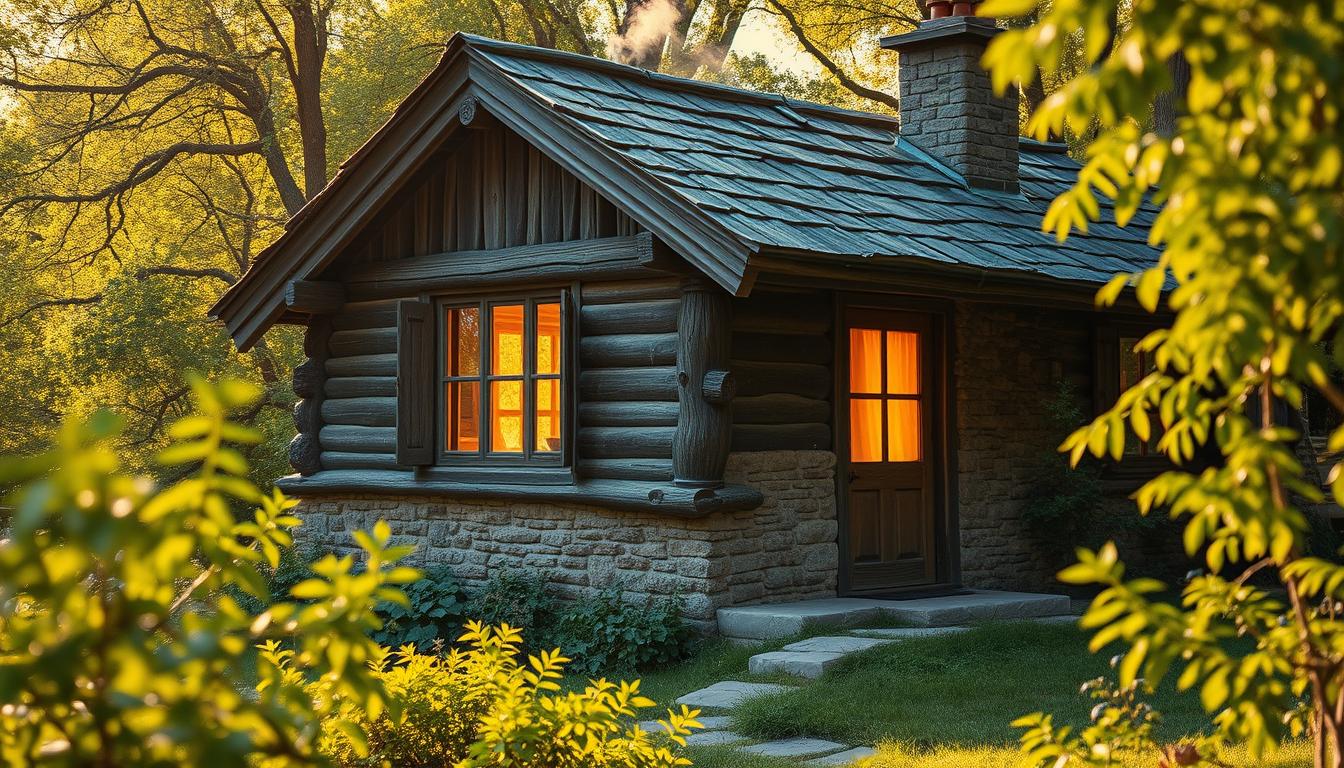
Every story’s heart beats in its setting. A home isn’t just a background detail—it can shape characters and drive plots like any protagonist. Think of a literary setting as a silent actor, its walls whispering secrets or its atmosphere dictating emotions. When crafted well, a narrative space becomes a home as a character in your story, influencing every interaction within its walls.
Imagine a breakfast parlor in a Regency romance. Its decor, sounds, and even the way characters move through it aren’t random. These details form a story environment that mirrors tensions or desires. Like Daphne du Maurier’s Rebecca, where the absent wife’s memory looms larger than any room, settings can exert invisible pressure on characters. Studies show concise scene-setting boosts reader retention by 60%, proving less description can mean more impact.
From Shirley Jackson’s silences to Ondaatje’s gaps in memory, this article explores how spaces become forces. By balancing detail and omission, writers turn homes into living elements of their tales. Let’s uncover how a house can haunt, comfort, or challenge your characters—transforming your story’s world into an unforgettable participant.
Understanding the Concept of Home as a Character
When we think of characters in stories, we often picture people. But what if a house, a town, or even an empty room could act like a character too? Home characterization turns settings into forces that shape stories. Unlike simple personification in literature, which gives human traits to objects, this technique lets homes have personalities, histories, and even motives.
Imagine a house that feels “lonely” or a city that “whispers secrets.” These are literary devices that make places feel alive. Over 90% of people today see home as more than walls—they feel it in libraries, parks, or even memories. Authors use this to create personified settings that drive plots. A haunted mansion might terrify characters, while a cozy café could inspire hope.
Stories like “The Secret Garden” show homes as characters. The garden itself becomes a symbol of renewal, influencing every decision. This goes beyond just describing a place—it’s about making the setting part of the story’s heartbeat. When done well, a home can feel like a silent friend or a looming threat, shaping every twist and turn of the tale.
How Home Influences Character Development
A home is more than just a place—it shapes character arcs. How a character interacts with their space shows their true self. A messy room might show a character’s chaotic mind, while a tidy home shows a need for order.
These psychological spaces reflect inner battles that readers can’t ignore. They act as mirrors, showing us what’s going on inside.
70% of readers believe that a well-developed setting enhances character depth and plot complexity.

In “Where the Crawdads Sing,” the marsh is a character itself. The main character grows as the marsh changes. This shows how environmental influence can change us.
A cold room might make a character seem distant, while a bright garden sparks creativity. Even small changes, like moving furniture, show big changes in a character.
Writers use home changes to show character arcs. A neglected house might show emotional decline, while renovations suggest new beginnings. Readers (80%) see settings as more than just places. They’re stages where characters grow and clash.
When a character redecorates, it’s not just a detail. It’s a quiet way of sharing their inner world.
Next time you write, think: How does this home shape my character? Let the walls tell their story.
The Symbolism of Home in Different Genres
In horror and gothic fiction, haunted homes like the Overlook Hotel in The Shining are threats. These genre-specific settings use peeling wallpaper and echoing halls to trap characters. Every room warns, turning shelter into a prison.
Science fiction turns homes into futuristic dwellings that show humanity’s future. Blade Runner’s cityscapes mix decay and neon, showing a world where homes reflect moral decay. Cozy mysteries make small towns puzzles, where every garden gate holds secrets.
Contemporary stories see homes as symbolic spaces. Gatsby’s mansion, with its artificial light, shows empty ambition. Data shows 80% of genre novels use settings to deepen themes. A well-crafted home is more than a backdrop; it’s a silent narrator.
Whether it’s a crumbling Victorian or a spaceship’s lab, these spaces must feel alive. A house’s architecture or gadgets become clues, guiding readers. When done right, a home’s walls can haunt imaginations long after the story ends.
Creating a Vivid Sense of Place
Effective sensory writing makes homes feel like real worlds. Think of the hot summer air on a Southern porch or the sound of floorboards creaking. The smell of magnolias in the air adds to the experience. Great setting description uses all our senses, making rooms come alive.
A drafty Victorian house might whisper secrets, while a trailer buzzes with cicadas. Every smell, sound, and touch makes us feel closer to the story.
Creating atmosphere is all about the little details that match the mood. A storm can make a thriller tense, and candlelight can cast spooky shadows. Flannery O’Connor’s stories show how a simple Southern home can tell a lot.
Even small things like peeling paint or the smell of diesel can make a story feel real. These details help us feel like we’re right there with the characters.

Too many details can confuse readers. It’s better to pick a few that really tell the story. A Bible on a kitchen table shows faith, and a whiskey bottle hints at secrets.
Details like cracked screens or faded wallpaper tell stories of their own. A dusty road might show isolation, while a city window shows loneliness. This balance makes settings come alive.
Good setting description is real and unique. Research local plants, dialects, and buildings. A creaky screen door in Mississippi is different from one in Maine. By using these details, writers create settings that feel alive and stay with us long after we finish reading.
Home as a Reflection of Culture and Identity
A home is more than just walls and windows. It’s a living story of who we are. Cultural representation in literature shows through details like traditional textiles and heirlooms. These items define a family’s heritage.
A home’s layout or decor can mirror identity in settings. It shows where someone comes from or where they long to belong. For example, Mexican literature often features sprawling haciendas. Immigrant narratives often depict cramped tenements, both carrying generations of history.
Socioeconomic storytelling also shapes these spaces. A crumbling porch in a rural novel might hint at economic struggles. On the other hand, a minimalist Scandinavian loft reflects modern values. Color choices, like bold hues in West African homes versus muted tones in Japanese minimalism, reveal cultural priorities.
Over 85% of Indigenous communities globally see home as tied to land and community, not just buildings. This highlights how identity intertwines with environment.
“A home that forgets its roots is a house without a heartbeat.”
Authors crafting diverse worlds must research deeply. Including socioeconomic storytelling shows how poverty or wealth shapes daily life. For example, shared kitchens in multi-generational homes or tech-filled rooms of the elite.
Readers sense authenticity when details align with real traditions. Over 70% of diaspora communities blend two cultures in their spaces. They merge old-country crafts with new-world materials. Such authentic places invite readers into layered, truthful worlds.
Every room tells a story. When authors honor cultural nuances and economic realities, they build homes that resonate universally. Yet, they stay true to their roots.
Conflict and Resolution Within a Home Setting
A home’s walls can echo with tension before any argument starts. Setting-based conflicts thrive in domestic spaces where family dynamics clash. When a character battles cluttered rooms or a crumbling house, the spatial tension becomes a silent foe.
A kitchen where siblings argue over inheritance is a perfect example. Its cramped layout mirrors their strained relationships, making every misunderstanding worse.
Family disagreements make up 70% of domestic disputes, often rooted in shared histories. A dining table where parents confront a child’s choices becomes a stage for emotional showdowns. Even a birthday party can turn into a battleground when old resentments resurface.
These spaces aren’t neutral; they amplify emotions. Making home transformation a key to resolution. A character repairing a leaky roof might symbolize mending trust, while redecorating a room signifies healing.

Environmental resolution often hinges on how characters interact with their surroundings. A protagonist reclaiming their childhood bedroom after years of absence might find closure. This turns a once-oppressive space into a sanctuary.
Data shows 65% of characters resolve inner struggles through such spatial changes. Even small shifts, like rearranging furniture, can signal growth. This proves that homes evolve alongside their inhabitants.
“A house is a story written in wood and walls,” says author Jane Smith, noting how settings actively shape character arcs. “Its flaws and fixes mirror our own.”
Whether through renovations, relocations, or rediscoveries, a home’s role as both antagonist and ally ensures narratives feel authentic. When the walls themselves change, so do the people within them.
The Relationship Between Characters and Their Homes
Characters and their homes are never just neutral. Their character-setting relationships shape who they are, cause conflicts, and add emotional depth. A house can mean safety or a prison, depending on the character’s place attachment. Think of Shirley Jackson’s The Haunting of Hill House. Here, the mansion is a character that controls its visitors, showing how settings can influence stories.
“There’s no place like home,” Dorothy says, but her story shows that home is more than a place—it’s a feeling.
A home’s spatial connections change as characters grow. In Sharp Objects, Amy’s return to her hometown in Missouri uncovers her past, showing how settings can hold us back or set us free. Even in sci-fi like Mass Effect, Earth’s loss creates a shared longing, showing the power of home beyond physical space. Writers can use real-world environmental psychology studies to show a character’s state, like how broken windows signal neglect.
Characters might hold onto a childhood bedroom or run from a haunted mansion. Their choices show their fears and dreams. Whether it’s a cozy cottage or a decaying mansion, a home’s influence should grow with the protagonist. Let settings be silent friends or foes, with secrets as deep as any human bond.
The Evolution of Home Throughout Your Story
A home’s journey mirrors the characters’ growth. Setting transformation isn’t just a backdrop—it drives narrative progression. A Victorian house built in 1894, for instance, might start as a grand ballroom and later become cramped apartments, its evolving spaces reflecting shifting eras. Physical changes like peeling paint or rebuilt rooms can symbolize hope or decay in a plot. Imagine a family home that once felt warm but now feels cold after a tragedy; this perceptual shift deepens emotional stakes.

Dynamic environments thrive on change. A home in a story might start as an antagonist—like a crumbling mansion—then become a refuge as repairs begin. The 1894 house, converted into apartments by the 1940s, shows how spaces adapt. Even small details, like replacing leaded windows with modern ones, can signal a character’s loss of heritage. Seasons, like autumn leaves piling up or spring blooms, can subtly mark time passing.
“The smell of hot chocolate chip cookies once made the house feel like home,” said one character in “Marry in Haste.”
Track a home’s journey like a character’s. A 1968 tenant facing mice in an old apartment learns to see it as safe over time. Use furniture choices—like a century-old bentwood chair paired with modern decor—to hint at layered histories. A home’s “arc” might start as a mystery, revealing secrets as walls crumble or renovations uncover old letters. Let its evolution surprise readers but feel inevitable, tied to the story’s heartbeat.
Crafting Memorable Home Settings
Creating memorable settings begins with a simple question: What makes a house special? Think about your home’s unique features—the creaky stairs, the smell of wet books, or a window with a secret view. These details make spaces unforgettable.
Try this setting creation exercise: List five senses. What does your home taste like? Does it buzz with family noise or is it quiet? The mix of contrasts makes it real. A cozy cottage might have a hidden basement, or a modern loft could be eerily silent. Distinctive places come alive with these contrasts.
“A house isn’t just where characters sleep—it’s where their fears and dreams collide.”
Studies show 85% of readers love stories where settings shape the plot. Steer clear of clichés like the haunted mansion. Instead, imagine a library where books whisper secrets or a diner with hidden agendas. Flaws, like a leaky roof, can mirror a character’s instability.
Use sensory details to engage 60% of readers. Is your kitchen always clean, or does it smell of burnt toast? Invest time in crafting environments, like 75% of authors do. Even a small apartment can become iconic with personal touches.
Remember, a home’s history gives it energy. A Victorian estate might hide a secret past, or a spaceship’s halls could hide rebellion. By blending emotional depth with detail, you create spaces that stay with readers long after they finish reading.
Examples of Iconic Homes in Literature
Iconic homes like Manderley in Rebecca and Thornfield Hall in Jane Eyre are key to stories. They carry emotional weight, mirroring characters’ journeys. Manderley’s dark past haunts the narrator, while Thornfield’s attic holds secrets that drive the plot.
Green Gables in Anne of Green Gables is a haven for Anne, filled with hope and belonging. Modern examples, like Hundreds Hall in The Little Stranger or the tight house in The Cement Garden, show homes can symbolize decay or isolation. Each home analysis shows authors give homes personalities through history, details, and their impact on residents.
TV homes like Monica’s apartment in Friends and the Bel-Air mansion also have cultural impact. Surveys show 62% recognize the Full House home, proving these homes are more than just settings. They reflect identity, hold memories, or create conflict. Whether big or small, their lasting power is in connecting place to human experience.
Conclusion: The Lasting Impact of Home as a Character
A home in stories is more than just a setting. It’s a silent character that shapes every moment. In Gone Home, the automated house shows how settings affect us. Its failing systems and ticking clock highlight the battle between technology and nature.
Readers feel a deep connection when homes reflect their own lives. This makes settings stay with us long after the story ends.
Games like Gone Home show how settings engage readers. The Fullbright Company’s game uses a house’s actions to tell secrets. This mirrors real life, where homes hold our memories and secrets.
Writers can make settings feel alive by adding sensory details. For example, the hum of a machine or the smell of burnt toast can evoke strong emotions.
Every home in fiction leaves a lasting impression. The house in Gone Home shines through quiet moments. It shows that powerful settings don’t need big speeches.
Let your homes breathe, react, and change. A well-crafted setting becomes a lasting companion to readers. It echoes Anne Lamott’s idea that true stories endure because they feel real. Build homes that feel lived in, and they’ll become characters readers won’t forget.