






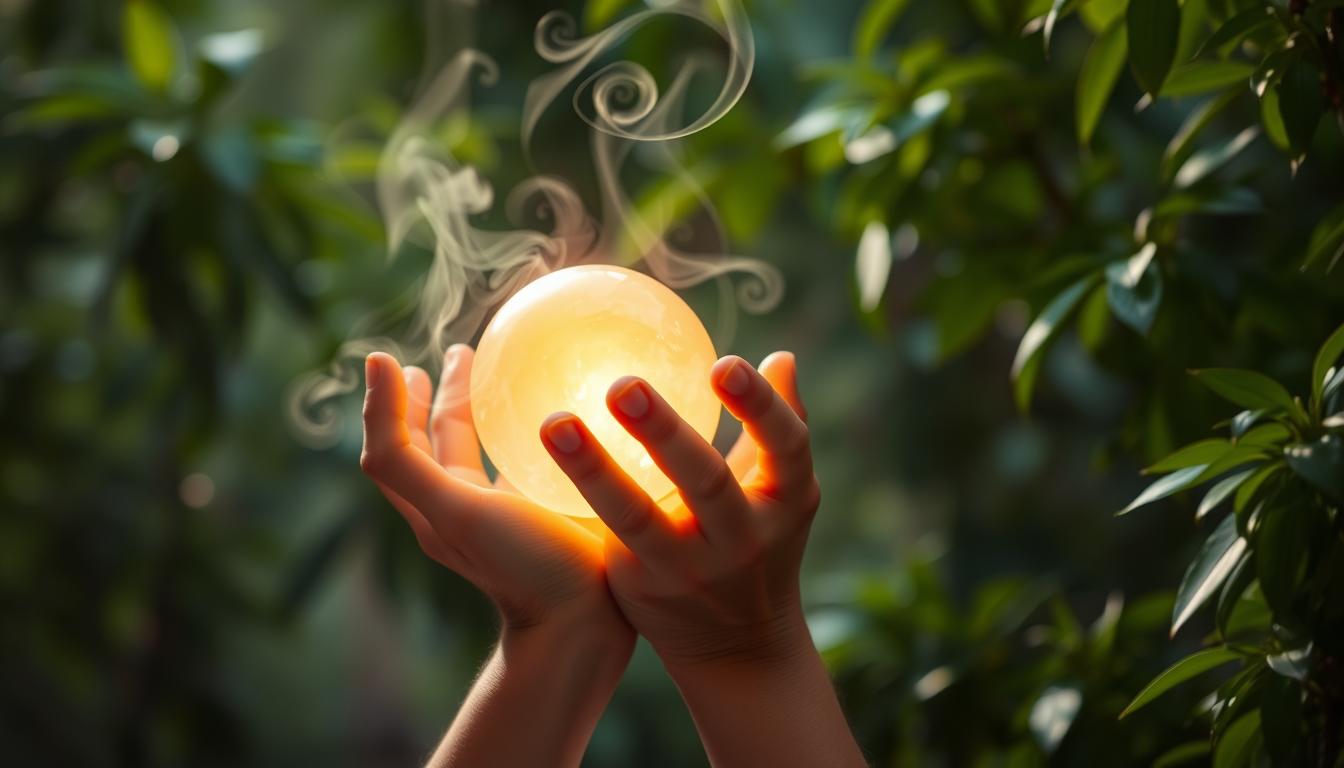
Our sense of smell is a hidden guide to safety. It uses aromatic anchors to keep us grounded in stressful moments. Think of the comfort of a familiar perfume or the calmness of a favorite candle.
These scents connect our noses to the brain’s emotional core. A 1935 study by psychologist Donald Laird found that smells trigger vivid memories. With 254 participants, they recalled past experiences tied to specific odors.
Neuroscientist Sandeep Robert Datta says the olfactory system links to brain areas for emotion and memory. Even though humans have weaker noses than animals, this connection is strong. Certain smells, like the scent of a childhood home, can instantly make us feel calm or safe.
Studies show that stress eases when odor-evoked memories kick in. This slows breathing and lifts moods. Yet, losing this sense (anosmia) can leave people feeling lost, showing scent’s role in mental health.
From PTSD therapies using scents like diesel fuel in virtual reality treatments to lavender’s calming effect in dental clinics, this article explores how scent shapes safety. We’ll look at the science behind aromatic anchors, cultural scent preferences, and innovations like Melissa Allen’s Mood Essentials, blending natural oils for wellness.
Along the way, we’ll ask: How can understanding scent’s power help us build safer, healthier lives?
Understanding the Link Between Scent and Emotions
Our sense of smell has a special power over our feelings. The limbic system, our brain’s emotional center, gets scent signals directly. This is why a smell can instantly bring back memories or feelings.
Babies even recognize smells before they are born. This helps form early emotional bonds.
Scent memory is made by the hippocampus and amygdala. A beach smell might remind you of fun times. On the other hand, a hospital smell can make you feel stressed.
These connections help us feel emotional safety. Techniques like using calming lavender help us feel safe. Studies show lavender can lower anxiety in medical settings.
Brands like 12.29 use scent science to build trust. Hotels use special smells to make guests feel welcome. Scents can greatly improve our well-being, whether it’s a childhood smell or a spa aroma.
Historical Perspectives on Scent and Safety
For thousands of years, humans have used scent as a protective shield. The historical use of fragrance as protective scents has been widespread. From ancient Egypt’s burial rituals to medieval plague remedies, scent has played a key role.
In ancient Egypt, tombs were anointed with myrrh and cinnamon. These aromas were believed to purify spirits. Greek physicians used herbal blends like rosemary to soothe nerves, a practice known today as traditional aromatherapy.
During the Black Death, Europeans burned pine resin and juniper. They believed these smells could block disease. These practices show how scent has been used for protection throughout history.
Scent rituals like Native American sage smudging continue these traditions. The historical use of fragrance also influenced daily life. In the 18th century, potpourri was made from flowers and spices to mask threats like decay.
Today, the Odeuropa project analyzes 218,903 historical texts. It shows how these scents were more than decoration—they were survival strategies.

Modern science is now understanding these ancient methods. The Alchemies of Scent project studies Egyptian perfumery from 332–30 BCE. The 2019 Queens of Egypt exhibit recreated Cleopatra’s mendesian perfume, blending history with sensory experience.
Even today, 71% of museum visitors link woody scents to safety. This mirrors past beliefs. These traditions highlight scent’s timeless role as a guardian of well-being.
How Scent Influences Our Perception of Safety
Our brains use scent to understand our surroundings before we even realize it. Scent perception acts as a silent protector, signaling if we’re safe or not. A familiar smell, like the scent of a childhood home, can instantly calm us. On the other hand, smells like smoke can trigger our danger detection instincts.
Think about entering a room that smells like fresh linen. This smell and security connection can lower our stress levels. Studies show that green smells can reduce stress hormones. But, the sharp smell of eugenol in dental offices can make us anxious, showing scents’ two-sided effect.
“Odors linked to trauma can activate fear pathways, while calming scents like lavender reset emotional balance,” notes research on PTSD and scent-triggered memories.
Smells from gas leaks or spoiled food can alert us to dangers without needing to think. This ancient system can be trained. Hospitals use orange scents to reduce anxiety, showing how we can use scent perception to create safer environments. By choosing scents carefully, we tap into our oldest safety tool.
The Impact of Scents in Our Daily Lives
Every day, scents shape how we feel in different spaces. Home fragrances like simmering cinnamon or vanilla candles make kitchens cozy. A sprinkle of orange peel on a windowsill or lavender spray on linens can make bedrooms calm.
These choices create personal safe zones. They make places feel familiar and secure. Even small acts, like using herbal tea bags for a scent boost, show how scent is a daily ritual.

Offices use scent marketing to boost productivity. Desk diffusers with peppermint or eucalyptus energize workers. Retailers use baked goods or citrus to attract shoppers.
Public areas like airports or hotels use ambient scents to signal cleanliness. Think of a lobby’s crisp linen spray or a spa’s herbal mists. These scents shape our perceptions of safety and comfort without us noticing.
Smart choices are important. Adjusting home fragrances to avoid overwhelming scents or choosing unscented products can reduce irritation. Knowing how scents affect mood helps create safe spaces. From kitchen spices to office diffusers, scent guides our emotions and routines quietly.
The Role of Scent in Creating Safe Spaces
Calming scents can turn any space into a peaceful haven. Aromatherapy for safety links smells to feelings of safety. By doing this, we create mental anchors that help us relax.
Think of lighting a lavender candle before bed or using an orange-scented diffuser in your office. These spaces become emotional safe zones.
Mental health experts often use scent anchoring in therapy. They might pair a citrus spray with relaxation exercises. This way, the smell alone can make you feel calm later.
At home, you can place rosemary near your desk to improve focus or eucalyptus in your living room for relaxation. These actions turn regular rooms into spaces that support well-being.
Portable options like the Mini Pro Scent Diffuser make it easy to use scent anchoring. It offers essential oils for $49.95/month after a $50 fee if you stop early. Spritzing a comforting scent on a scarf or carrying a mint-scented tea bag can also offer instant comfort.
Studies show even short scent exposure can lower stress hormones. This proves that scent anchoring is effective and fast.
The Psychology of Scent and Safety
Our sense of smell plays a big role in feeling safe. Olfactory psychology connects scents to emotions from a young age. Scent association starts with our parents’ perfume or a cozy home smell. These smells can make us feel safe or scared.
Studies show that smells can make our amygdala, the fear center, react before we even know what we’re smelling. This shows how powerful scents can be in our emotional responses.

Cultures around the world have different scent meanings. For example, lavender might calm some people but not others. The “Proust phenomenon” shows how smells can bring back memories, making us feel safe again.
But, how we smell things can also be different because of our genes. This means that what smells safe to one person might not be the same for another.
Research shows that nice smells can help us relax. Scents like lavender or citrus can lower our heart rate and blood pressure. One study found that adding calming scents to breathing exercises could reduce stress.
But, what smells safe for one person might not be the same for another. Personal scents, like a favorite perfume, can be more effective in making us feel safe.
Smell loss can also affect our mental health. Over 12% of adults over 40 have trouble smelling, which can lead to depression. For people with anosmia, they might not notice dangers like gas leaks.
Understanding olfactory psychology helps us see why some people prefer certain smells. By knowing these differences, we can create safer spaces with scents that matter to each person.
Scent and First Responders: A Special Connection
First responders use their senses to stay alert and make quick decisions. Emergency response scents are key in their training and work. Firefighters, police, and EMTs learn to spot specific smells linked to dangers.
For example, the sharp smell of gas or the acrid smell of smoke warns of danger. This hazard detection skill is vital. It helps identify risks before they get worse.
Protective fragrances are also part of their tools. Certain scents can mask toxic fumes or neutralize harmful smells. This makes environments safer.
Handlers of search and rescue dogs use these fragrances to help dogs focus on smells. This includes human scent under rubble. Scent training also helps responders manage stress. Familiar scents like lavender or peppermint can calm them down during chaotic times.
Neuroscience shows why scent is so powerful. The brain’s limbic system links smells to emotions and memories. This makes scent a strong aid in stressful situations.
“The smell of my menthol inhaler brings me back to calm—no matter how bad the situation looks.”
This connection isn’t just for professionals. Learning to recognize gas leak odors or using calming scents in drills can help anyone. Scent-based training is not just for first responders. It’s a tool we can all use to stay safer.
Scent Technologies: Enhancing Safety Measures
Scent technology is changing how we stay safe. Electronic noses, like those from Aryballe and Aromyx, can spot dangers like gas leaks or harmful chemicals. These safety innovations use sensors to sniff out risks, warning us before old methods do.

Now, smart homes use fragrance delivery systems to fight threats. Think of a device that sprays lavender when it smells smoke, helping families get to safety. Even wearable tech, like scented jewelry or smartwatches, can send out calming smells in emergencies or when we’re stressed.
In healthcare and training, safety innovations like digital noses help too. They can spot conditions like Parkinson’s by checking scent changes. Also, VR training with scent tech prepares first responders for real dangers, mixing smells with sights for better practice.
These steps show scent tech’s role in merging science and safety. It’s not just about detecting gas leaks anymore. It’s about making our future safer, one scent at a time.
Cultivating Safety Through Personal Scents
Choosing fragrances that calm and comfort is key to personal scent safety. Scents like lavender or vanilla can make you feel safe. A study found that 271 people liked scents that reminded them of good times.
Use these scents to make your own safety kit. Mix calming oils with diffusers or scented objects. This creates routines that tell your mind you’re safe.
Calming scent rituals can change your daily life. Morning sprays or evening diffusers teach your brain to link scents with calm. Parents can teach kids to associate certain smells with safety.
For example, citrus can mean “home” and peppermint for focus. Over 66% of people feel calm with familiar scents. This makes these rituals very powerful.
When making your kit, choose natural or low-VOC products. Essential oil blends or unscented cleaners are safer. Even small actions, like spraying a comforting scent before a stressful task, can help.
Remember, scent education is about pairing scents with safe, positive experiences. It’s not just about picking scents.
“A safe scent isn’t just a smell—it’s a memory with benefits.”
57% of new parents use baby laundry detergents to bond with their child. Scent’s emotional power is undeniable. Be careful with your choices: avoid synthetic fragrances and diluted concentrations near vulnerable groups.
Small, intentional steps can turn everyday smells into tools for safety and peace of mind.
Future Trends: Scent, Safety, and Well-Being
The world of scents is changing fast, thanks to new research. Scientists are learning how smells affect our brains. This could lead to new ways to improve our well-being.
Imagine hospitals using lavender to calm patients or offices using citrus scents to boost work. These ideas show how smells can help us feel better and safer.
The fragrance industry is growing fast, from $50.46 billion in 2024 to $77.53 billion by 2032. More people want safe, green products. Over 74% of consumers prefer sustainable scents, pushing brands to be eco-friendly.
Companies like NobleAI are using AI to find new, safe ingredients. This change means we can enjoy scents without worrying about harmful chemicals.
Wearable tech might soon let us manage stress with scents. AI could also make spaces feel just right for each person. Cultural scents are also becoming more important, with 33% of Chinese consumers wanting fragrances that reflect their heritage.
Studies show scents like vanilla, cinnamon, and apple can help with anxiety, focus, and migraines. This shows how powerful smells can be in improving our lives.
As tech meets tradition, the focus is on making scents safe and accessible. With 65% of U.S. consumers loving nostalgic scents, the industry is finding a balance. By using science and ethics, the future of fragrance looks bright, with scents that make us feel safe, calm, and connected.