






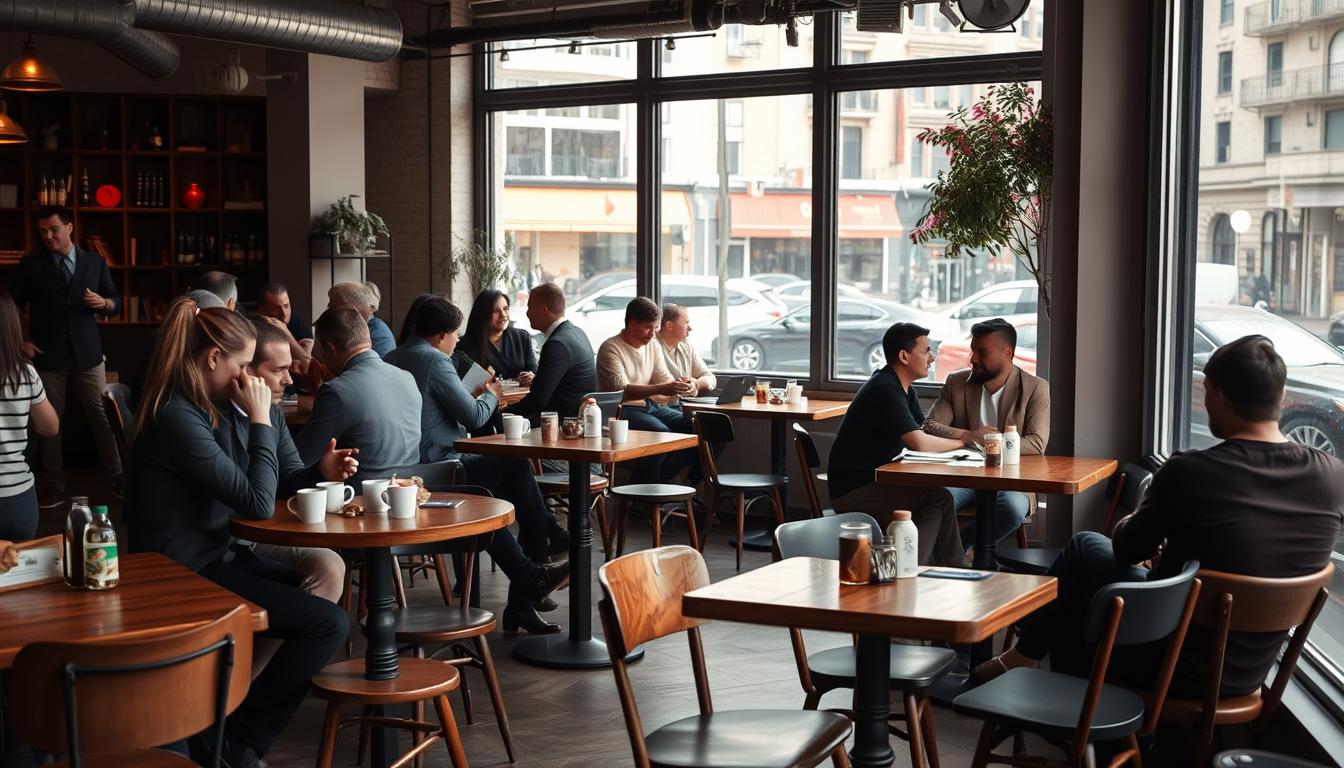
Lunch breaks are more than just eating. They are recess for grownups. Just like when we were kids, these breaks let us take a step back and connect with others. They help us build strong relationships at work.
Think of lunch as a time to share laughs, stories, or ideas. It’s a chance to see beyond job titles and connect as people. A simple meal can spark creativity and build trust, making our teams stronger.
Why are these breaks important? They help us manage stress and keep our spirits high. Whether it’s eating together or going for a walk, these moments remind us that work is about people, not just tasks. Let’s see how these breaks help create a workplace where everyone can succeed.
The Importance of Lunch Breaks in the Workplace
Many workers skip lunch, but the lunch break benefits are clear. A 2017 survey by TotalJobs found 33% of UK employees stay at their desks all day, sacrificing workplace wellbeing. Without a mental reset, stress builds—leading to burnout and poor focus. Even a brief break can recharge minds, boosting employee morale and creativity. Like recess for children, lunchtime offers adults a chance to play, socialize, and reset.
Skipping meals harms more than health—it costs careers. Employees who work through lunch risk losing £33,264 in unpaid overtime over their careers. Physical and mental mental reset times are critical. Studies show breaks improve problem-solving and reduce errors, proving time away from desks isn’t wasted. Even 15 minutes outside or chatting with coworkers can spark fresh ideas.
Participants in a Live Science study who faced mental fatigue stopped tasks 15% earlier than those who took breaks.
Employers gain too. Happy, well-rested teams collaborate better and stay loyal. Companies like Google and Patagonia prioritize break spaces, knowing breaks fuel productivity. Taking time to eat away from screens prevents burnout, creating a cycle of better focus and morale. Let’s rethink lunch breaks as vital work tools, not optional pauses.
Benefits of Taking Regular Breaks for Productivity
Stepping away from work might seem like a pause, but science shows it’s a productivity boost in disguise. Work breaks refresh the brain’s ability to focus and innovate. Studies reveal that after 75–90 minutes of continuous work, mental clarity fades, making progress feel sluggish. Taking short breaks recharges attention spans, much like rebooting a stalled computer.

Research highlights how work breaks spark creative thinking. A 2013 study found that walking boosts idea generation by 60%, while Google’s break-friendly culture fuels its innovation. Even a 5-minute walk or stretching session can reset your mindset. The brain’s hippocampus, key for memory and learning, benefits from physical activity—improving problem-solving and reducing decision fatigue.
Structured breaks matter. The 52:17 method (52 minutes work, 17 minutes break) aligns with how the brain cycles energy. Companies like Buffer and Etsy use this to keep teams sharp. Even short pauses like the 20-20-20 rule (looking 20 feet away every 20 minutes) combat eye strain and mental fog. Avoid mindless scrolling; instead, use breaks for movement or mindfulness to lower stress hormones like cortisol.
“Recess isn’t just for kids—it’s adult brain fuel.”
Ignoring breaks risks burnout. The American Psychological Association warns chronic stress harms focus and creativity. By embracing breaks, workers avoid the productivity crash that comes from relentless focus. Whether it’s a coffee chat or a quick walk, these moments aren’t slacking—they’re strategic investments in mental clarity and sustained output.
Building Relationships During Lunch Breaks
Lunch breaks are more than just a meal—they’re golden opportunities to strengthen workplace relationships. Sharing a meal naturally opens doors for team bonding. It turns casual chats into meaningful exchanges. A simple conversation over sandwiches can spark ideas and build trust.
Play is a way to build relationships and connections. It’s a way to see each other as humans, as opposed to titles in an org chart.
Breaking bread together dissolves office hierarchies. When colleagues ditch desk talk for personal stories, colleague connections form organically. Planning a networking lunch with different departments can bridge gaps between teams.
Ask coworkers about their hobbies or weekend plans to uncover shared interests. Regular informal gatherings, like monthly potluck lunches, foster loyalty and collaboration. Even a 15-minute chat can deepen trust. Small steps like this create a workplace where everyone feels seen—beyond their job titles.
Lunch Break Etiquette: Best Practices for Connection
Respecting lunch etiquette makes sure everyone has a good time. Start by knowing workplace boundaries. If someone wants to eat alone, don’t push them to join a group.
Keep talks light and fun. Avoid gossip or work stuff unless it’s okay to talk about it. A 2019 study showed 80% of people think bad table manners can hurt business relationships.
Make sure breaks are for everyone. Ask about food allergies and cultural likes. “Playworks’ motto, ‘Play works for every kid,’ shows how workplaces should be welcoming,” says Elizabeth Cushing.
Don’t invite people to lunch at the last minute. Over 75% of networking lunches are rushed. So, stick to the agreed time.
“Confirming details cuts no-shows by 67%,” say experts. Use text reminders for meetings. Respect breaks legally too—California law mandates a 30-minute unpaid lunch for shifts over five hours. Ensure everyone has time to recharge without guilt.
Find a balance between connecting and respecting others. Let people choose how they want to spend their break. Small gestures like sharing space or giving options make lunches enjoyable for everyone.
Creative Ways to Spend Your Lunch Break
Only one in three workers take a break from their desk for lunch. But what if your midday pause could be more than just eating at your desk? Creative breaks can energize both your body and mind. Start with midday exercise—like a quick walk or a short yoga session in a quiet spot.
These small activities can increase your energy and focus. Studies show even 20 minutes can make you sharper.
Use your lunch break to discover new things. Pack a picnic, try a new café, or explore a bookstore. For a mental boost, try sketching, journaling, or solving puzzles. Apps like Skillshare offer short courses that are great for lunchtime learning.
Why not have a “recess for grownups”? Many people use lunch to try new recipes, meditate, or call a friend. Lunch break activities like these can refresh your creativity. A Cornell study found that eating with others can improve job performance, so bring a coworker along.
Eating with others fosters collaboration and clarity.
Keep trying until you find what makes you happy. Whether it’s a walk, reading a chapter, or dancing, make your lunch break meaningful. Your afternoon will be more productive and you’ll feel better.
The Science Behind Shared Meals and Connection
Science shows that eating together benefits are more than just food. When we share meals, our brains release oxytocin. This hormone is linked to trust and empathy. It’s why communal eating helps us form deeper bonds.
Studies show groups that eat together solve problems faster and build trust. This proves the power of social dining in both workplaces and families.

Meal sharing psychology shows how rituals like breaking bread create shared experiences. In schools, universal free-lunch programs reduce stigma and foster community. For example, Vermont’s programs increased lunch participation, making dining halls places where kids bond without economic divides.
“People who rarely eat socially have half as many trusted connections as those who regularly share meals.”
Data from Oregon schools found students in free-lunch programs had fewer disciplinary incidents. This shows communal eating improves behavior and belonging. Even small acts like rotating lunch groups at work can spark collaboration.
The brain’s “biobehavioral synchrony” means sitting together aligns our heart rates and breathing. This makes us feel “in sync.”
With 76% believing meals strengthen relationships, science confirms what we feel: shared meals are more than just food. They are social glue. Whether at school, home, or a café, social dining is a universal language for connection.
Virtual Lunch Breaks: Building Connections Remotely
Virtual lunch breaks are changing how remote teams connect. Tools like Zoom or Slack let teams share meals and talk. This turns screen time into remote team building moments.
A Microsoft study showed 41% of remote workers felt alone. But, online lunch breaks can help bridge this gap. Themes like “Career Chats” or “Food Fridays” make these moments feel meaningful.
But, technical issues and screen fatigue are challenges. Start with short sessions, 30 minutes max. Use icebreakers like “Two Truths and a Lie” to break the ice.
Pair virtual lunch with learning, like a 10-minute skill-sharing segment. This boosts engagement. Tools like Miro or Mentimeter can make meetings interactive and collaborative.
“Trust grows when people see coworkers as humans, not just avatars,” says a 2023 Harvard Business Review report. “Small rituals like virtual coffee breaks or game nights matter.”
Encourage casual chats by rotating hosts or using breakout rooms. Simple actions like sharing a favorite playlist or work-from-home tip help build digital connection. When done right, these breaks fight isolation and strengthen bonds, showing that real connections can happen online.
Lunch and Learn: Combining Education with Connection
Turning lunchtime into a learning opportunity makes workdays more meaningful. Lunch and learn sessions blend knowledge sharing with team bonding. They create moments where professional development lunch breaks spark collaboration. These events, often just an hour long, offer a break from daily tasks while teaching skills like project management or communication.

Effective educational lunch breaks start with relatable topics. Workshops on listening skills, for instance, address a gap: less than 2% of Americans have formal training in this area. Pairing lessons with icebreakers—like team-building games—keeps energy high. Participants gain tools to tackle challenges like balancing scope, time, and cost in projects, all while enjoying a change of pace.
Balance is key. Avoid turning these breaks into formal meetings. Instead, use interactive methods. A recent study shows 61% of employees prefer informal learning. Letting coworkers chat over meals before diving into content helps build trust. Even short sessions can boost collaboration by 20%, fostering environments where problem-solving becomes a shared adventure.
Companies like these see results: 87% of workers feel more motivated when learning aligns with their goals. Whether mastering listening techniques or exploring new tools, these sessions turn routine lunch breaks into catalysts for growth. With 24% higher engagement in teams that embrace this approach, lunch and learn proves that learning and connection thrive together.
Overcoming Barriers to Lunch Break Connection
Many workers skip lunch breaks because of heavy workloads or break resistance in their workplace culture. Over 60% of U.S. employees find it hard to balance work and personal life. This leaves little time for meaningful pauses.
Busy schedules and the pressure to work through meals add to the lunch break barriers. These barriers disconnect people from their colleagues and time to recharge.
“Play is essential for mental health and creativity, even after being isolated for a long time,” says recent research. It helps us recover from pandemic stress.
Organizations can change this by valuing breaks. Leaders who take lunch breaks show it’s okay to take a break. Flexible policies, like quiet spaces or meeting-free hours, help employees find time for themselves.
Tools like calendar blocks for lunch can help those who skip breaks because of work. About 45% of workers do this.
Employees can set boundaries, like closing email apps during lunch or joining group walks. These small steps help rebuild social connections and boost job satisfaction. Companies that make these changes see better productivity and keep employees longer. This shows that small changes in workplace culture can have a big impact.
Inspiring Stories of Connection through Lunch Breaks
Workplace connection stories reveal how small changes during lunch can lead to big outcomes. At Salesforce, teams have “idea lunches” where they share projects over meals. This approach led to a 30% increase in cross-department collaboration. It shows that lunch break success is about more than just food—it’s about sharing ideas.

In healthcare, nurses at Johns Hopkins Hospital had trouble eating during shifts. After managers made sure they had 20-minute sit-down meals, stress levels fell by 25%, according to a 2023 study. A nurse noted, “When we take time to connect, we care better.” This shows how building relationships improves patient care.
“We know that when we play well with others, good things happen.”
A tech startup in Austin introduced “lunch-and-learn” walks. Teams discuss goals while walking, boosting creativity. One team’s brainstorm during a walk cut a project timeline by 40%. These moments blend work and wellness, building a strong workplace community.
Even brief breaks are important. A hospital radiologist suggested a 15-minute “tech check” during lunch, reducing diagnostic errors by 18%. Small steps like these show how shared meals and breaks turn isolated workers into supportive teams. Every lunch break is a chance to grow connections that fuel success.
Future Trends: Evolving Lunch Break Culture in Workplaces
Workplace trends are changing how we view lunch breaks. Now, we have hybrid lunch breaks that connect remote and office teams. Even in cities like Boston, companies are finding new ways to make breaks meaningful.
Today’s break culture focuses on recharging. We see everything from DIY lunches to summer hours in the UK. Tools like virtual reality and meal apps help teams bond, showing hybrid breaks can work well.
Learning from others is important. Companies sharing their strategies can help everyone. The pushback against skipped meals and the rise of “rage applying” show we need real change. Practical support, like flexible breaks, is what employees really want.
Lunch breaks are key in a changing work world. They help keep teams connected and strong. Even small breaks can make a big difference in the future of work.