






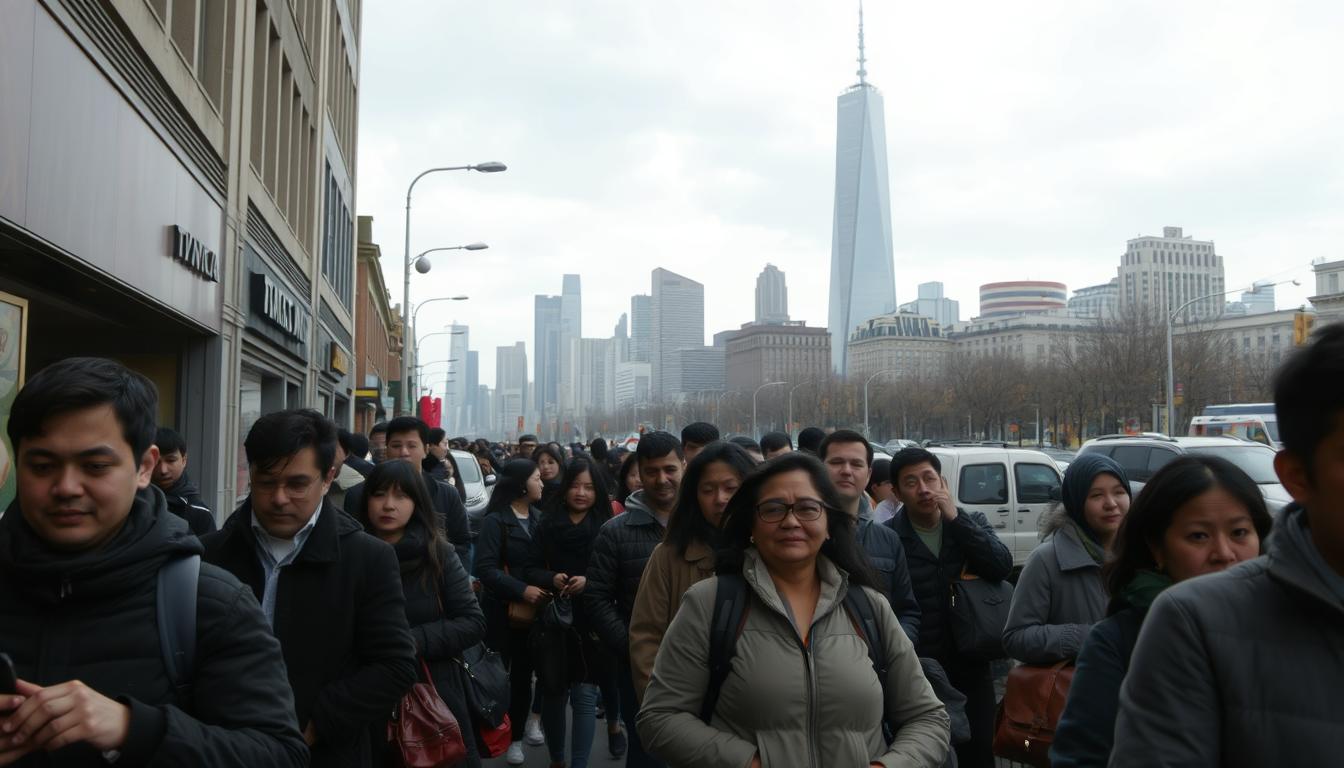
Waiting in line teaches us patience in ways we often miss. Moments in traffic, at the grocery store, or when a sibling speaks are more than just pauses. They are daily chances to practice patience.
Research shows these small waits help us become more resilient and emotionally controlled. They turn ordinary waits into chances to grow our character.
Think about a child waiting for a gift. At three, they start to understand waiting isn’t forever, even if it feels like it. By five, they can imagine being a superhero or use quiet breaths to stay calm.
These patience exercises aren’t just for kids. They reflect the struggles and victories of adults too.
Every delay is a chance to build grit. The marshmallow test showed kids who waited for more treats did better in life. But it’s not just about resisting sweets.
Daily waits teach us to pause, reflect, and choose calmness over frustration. That’s how we grow our character, one grocery line at a time.
Introduction: The Art of Waiting
Modern life often sees waiting as a hassle. But, what if we saw delays as chances to grow? Patience virtues bloom when we view pauses with curiosity, not annoyance. Think of a coffee shop line—instead of checking your phone, notice the steam and the conversations.
Science backs up the idea that mindfulness reduces stress by 40%. So, waiting as meditation is more than just a saying. When you’re stuck in traffic, breathe deeply or think about tomorrow. This way, you make the wait shorter and build your strength.
Studies show that those who wait patiently have stronger relationships and make better choices. Next time you’re delayed, ask yourself: “What can this moment teach me?” These small changes turn waiting into a way to grow, spreading virtues into all parts of life.
The Psychology of Waiting
Understanding the psychology of impatience begins with how our brain reacts to delays. When we face waits, like traffic jams or slow internet, our minds release stress hormones. This is why waiting feels difficult, as our brains see delays as threats.
Studies show that uncertainty about wait times makes us more frustrated. This makes open-ended waits feel longer than fixed ones.

Patience neurological benefits come from practicing waiting on purpose. MRI scans show that patience strengthens brain areas linked to decision-making. This is linked to the “marshmallow test,” where kids who waited did better in life.
Our brains change when we choose to wait. This shows patience is not just about waiting, but about how we wait.
Time perception psychology shows distractions can make waits feel shorter. Doing small tasks, like planning a grocery list, can make waits feel 30% shorter. But boredom makes delays feel longer. Modern tech, like instant messaging and streaming, has made us impatient.
“Love is patient” (1 Corinthians 13:4) shows patience’s role in empathy. Spiritual practices worldwide see patience as a virtue that builds emotional strength.
Patience is not just sitting around; it’s an active skill. By seeing waits as chances to focus, we follow science and ancient wisdom.
Daily Incidents of Waiting
Everyday patience challenges are part of our daily lives. Imagine morning traffic jams and slow grocery store lines. Waiting in traffic tests our patience as we idle and watch the minutes pass.
Across the country, 37 billion hours are lost in lines each year. Even a short video load feels too long today. Five seconds of waiting can make 25% of users leave.
Grocery lines can be frustrating, like when someone counts coins. Customer service wait times can feel endless. But, these moments can help us build emotional strength.
Research shows that busy minds think waits are shorter. But, boredom can make us impatient. Using visual timers and clear cues, like wait cards, can help manage our expectations.
“Courage brings about confidence and resilience, depriving ourselves of these attributes is an injustice to our healing and closure.”
Our lives today demand instant results, but delays are inevitable. Using structured waiting strategies, like starting with 2-minute intervals, can help. It teaches us to see waits as chances to practice.
Every red light, every checkout queue, and every hold in customer service is a lesson in calm persistence. By seeing these moments as exercises, we grow. The next time you’re stuck in traffic or waiting in line, remember: it’s a chance to strengthen your patience.
The Role of Technology in Waiting
Smartphones have made waiting a screen-filled activity. Apps and notifications provide smartphone waiting distraction. But they also make us crave instant results more. Devices aim to fill downtime, but studies show this habit makes us lose focus over time.
The average attention span is now just 8 seconds. This is shorter than a goldfish’s, thanks to constant digital distraction effects.

Technology’s technology patience impact is complex. Virtual queues in stores like Target’s app or Disney’s mobile check-ins reduce wait times. But endless scrolling during delays makes attention span decrease worse.
Over 69% of shoppers feel more anxious in lines with smartphones. They don’t feel calmer.
Platforms like Waitwhile show tech can also make waits better. Their virtual queues saved 10,000+ years of waiting for 150 million users. The secret is being intentional: use waits to learn from podcasts instead of scrolling.
When we choose to engage mindfully over swiping, technology helps us grow. It becomes a tool for learning, not an escape from reality.
Learning Patience Through Scheduling
Patience scheduling techniques help you manage your time better. By adding pauses to your day, you learn to see delays as part of the journey. For example, having extra time between meetings lets you practice staying calm.
Starting small is key to learning patience. The Pomodoro technique, which alternates work and rest, trains your brain. Even waiting 10 minutes before checking emails helps you stay focused.
Studies show kids who wait for things do better in school. They also handle problems better. This is because they learn to delay their needs.
Setting clear goals helps you see your progress. Parents might take a few minutes each day to think and breathe. Schools use games and projects to teach kids the value of waiting.
Knowing your limits is also important. Parents find that games instead of screens help kids calm down. These pauses turn waiting into a chance to learn and grow. It’s about mastering the moments in between, not rushing through them.
Historical Perspectives on Patience
Patience has always been seen as a key virtue. Ancient Greeks like Aristotle thought it was essential for being moral. The Bible, in 1 Corinthians 13, says patience is as important as love. These views show how patience has been valued across cultures.
In Buddhism, patience is a way to reach enlightenment. Eastern teachings see patience as accepting life’s flow. But, different cultures have their own ways of seeing patience. For example, some cultures value harmony over keeping time, unlike today’s fast pace.

Books have always talked about patience’s strength. From Homer’s Odyssey to Buddhist stories, patience in literature shows it helps us face challenges. Medieval texts and Asian poetry see patience as a way to find peace, unlike today’s quick fixes.
Before machines were fast, people waited more. Now, with quick tech and services, we see time differently. But, patience remains a valuable skill, showing our shared human values.
Strategies for Coping with Waiting
Waiting can be a chance to grow. Start by practicing mindfulness during delays. Even a few deep breaths can calm frustration. Try productive waiting strategies like solving a jigsaw puzzle or listing things you’re grateful for.
Children do well with structured activities. Cooking together lets kids wait for dough to rise. Gardening teaches patience as seeds grow into plants. The silence game helps kids focus.
Research shows delayed gratification exercises improve impulse control. Visual timers help kids see waiting periods. Consistent routines, like packing a “waiting kit,” turn downtime into learning moments.
Waiting coping mechanisms include reframing thoughts. “This delay is a break to recharge.” Short mindfulness breaks reduce stress. These practices prepare children for lifelong success.
The Social Aspect of Waiting
Waiting in lines is more than just waiting—it’s a social dance. When we wait together, like in grocery lines or at airport gates, we start talking. These chats turn strangers into friends for a moment, building empathy.
Line waiting is different everywhere. In the UK, lines are a cultural tradition. In America, waiting before games is a fun community event. Research shows that even short waits have rules, like personal space and polite talk.
Waiting together does more than save time. When we all wait for the same thing, like a flight, our stress goes down. Studies say this builds our strength together. It’s like how group projects teach patience, showing us the value of fairness and respect.
So, the next time you’re waiting, think about it. Talking to those around you can turn annoyance into friendship. Waiting together is a chance to improve our social skills, one small step at a time.
Waiting in Line for Experiences
Waiting for fun things like concerts or theme park rides can actually make the wait enjoyable. Our brains get excited when we think about something good coming. This makes the wait a part of the fun.
Studies show people waiting for special events are happier than those waiting for everyday things. This is because the wait is part of the excitement.

Places like Disney World know how to make waiting fun. They use games, cool decor, and virtual lines to make waits seem shorter. Even watching a parade while waiting can make the experience better.
These moments create lasting memories and make us more engaged with the event. It’s all about making the wait worth it.
Waiting can also make us more creative and grateful. Kids waiting for a field trip often can’t stop talking about it. This shows how anticipation builds excitement.
Businesses can use this by making waits interesting. Showing sneak peeks of rides, for example, can make the wait feel like part of the adventure. Even short waits can make the experience feel more valuable.
So, next time you’re waiting in line, try to enjoy the moment. Chat with others or imagine the fun ahead. Waiting can actually make the experience more enjoyable and meaningful.
The Long-term Effects of Waiting
Patience has long-term benefits that go beyond childhood. The Stanford marshmallow test showed a link between waiting and better SAT scores and social skills. Studies found that waiting shapes character development through waiting over decades.
Children who practiced patience grew into adults with stronger self-control. This trait is linked to success in careers and finances.
“Toddlers with limited screen time show stronger self-regulation,” noted researchers in JAMA Pediatrics. They found that early habits influence lifelong skills. A 2021 study showed kids with better impulse control were 2x more likely to graduate college and maintain stable jobs.
Socioeconomic factors play a role. A 2018 study found children in unstable environments often choose immediate rewards. Yet, intentional practice helps. Setting small goals, like waiting 5 minutes before checking a phone, builds patience.
Adults who mastered this manage finances better. They save for retirement instead of overspending.
Delayed gratification advantages also improve relationships. People who wait calmly during conflicts resolve issues faster. Even brief daily exercises—like pausing before reacting—strengthen emotional control.
These skills, once rare, now matter more in fast-paced modern life.
Persistence pays. Every moment of waiting practiced today plants seeds for tomorrow’s success. The choice to wait isn’t just personal—it’s a skill that compounds over time.
Patience becomes a quiet superpower. It turns everyday waits into tools for growth.
Conclusion: Embracing the Wait
Embracing unavoidable waits starts with a simple truth: delays aren’t just obstacles—they’re hidden chances to grow. When we accept waiting as part of life, like during lockdowns or daily routines, we open doors to patience practice benefits. Imagine traffic jams or checkout lines as moments to pause, breathe, or reflect. This mindset shift turns waiting into a tool for character building through delays.
Data shows 75% of people who embrace uncertainty build resilience, proving waiting can strengthen focus and empathy. Even small steps, like mindful breathing or planning, reduce anxiety. Next time you wait, try a strategy: jot down goals, call a friend, or simply observe your surroundings. These actions turn frustration into clarity. Remember, 55% of people already use waits for self-reflection, and 65% say it improves relationships.
Patience isn’t about passive waiting—it’s active practice. Every delay is a chance to choose calm over chaos. Start small: next time you’re stuck in line or waiting for news, notice how pausing deepens your understanding of patience. Over time, these moments add up, shaping resilience and self-awareness. Waiting isn’t wasted time—it’s a practice that sharpens your ability to navigate life’s uncertainties with grace.