






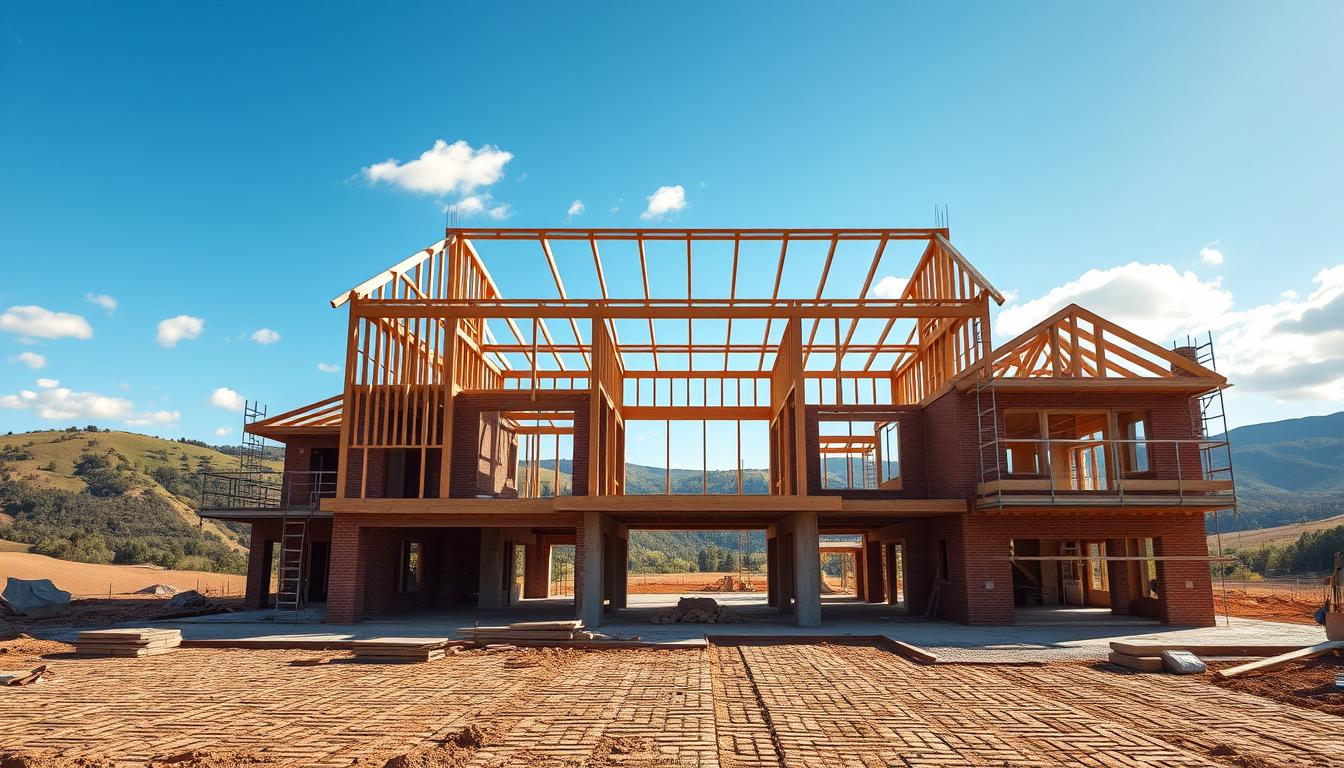
Starting a custom home construction project is more than just laying the foundation. It’s about creating a space that reflects your dreams. For many, this journey begins with excitement but quickly turns into a learning experience. Over 70% of first-time buyers find it overwhelming, but working with experienced builders like Drees Homes can make a big difference, increasing success by 50%.
Your home building journey is about finding the right balance between your vision and practical steps. This includes planning your budget and choosing materials. Every decision you make shapes not just the physical structure of your home but also the life you’ll live in it.
Creating a personalized living space is more than just about looks. It’s about making your lifestyle fit your design. A 2023 survey found that 75% of homeowners feel a stronger emotional connection to their home when it’s customized. Yet, challenges exist, like 60% of projects going over budget without proper planning, and permit delays that can add months to the timeline.
Drees Homes makes this process easier with tools like the My Home portal for tracking progress and a 10-year structural warranty for peace of mind. With the right guidance, your dream home project can become a lasting legacy.
Every detail counts. From choosing finishes at the Drees Design Center to the final walkthroughs before closing, this journey combines creativity and strategy. Building a home is not just about bricks and mortar. It’s about creating a place that grows with you, supported by professionals who understand your vision and the realities of construction. Start your journey with a clear plan, and turn your vision into a lifetime of memories.
Understanding the Basics of Home Construction
Home construction starts with the building foundation, the base of any home. A weak foundation can cause problems like cracks and instability. It also means expensive repairs later on.
Before laying the foundation, the land must be cleared and the soil made stable. The concrete for the foundation takes 28–60 days to cure. So, patience is very important during this time.
There are three main ways to build homes today: traditional stick-built homes, modular prefabs, and panelized systems. Each method has its own timeline and cost. For example, modular homes can save weeks of framing time compared to stick-built homes.
Choosing the right method depends on your budget and goals. Understanding these building methods helps you make the best choice.
The construction timeline usually lasts 4–9 months. The early stages include getting permits (costing $1,000–$3,000) and hiring many subcontractors. Later, you’ll add insulation and siding, like vinyl or brick.
Inspections at the end check for safety and code compliance. This is before you can move in.
Planning ahead helps avoid delays. Add 15% to your budget for unexpected costs. Knowing these basics makes the construction process easier and less stressful.
Establishing Your Budget for a New Home
Building a home needs careful planning to avoid surprises. Start by making a home building budget for all construction phases. Include land costs, which are 20–25% of the home’s total value. Also, consider construction financing options like construction loans or permanent mortgages.
Use budget spreadsheets to track every expense. This includes permits and landscaping. It ensures you don’t forget anything.

Accurate building cost estimates start with square footage. A 2,000 sq ft home costs $150–$300 per sq ft, depending on materials. Use the formula: (Total price × 0.65) ÷ square footage to calculate base costs.
Add 15% for builder profit and 5–10% for custom design changes. ENERGY STAR® features may add 4–8% upfront but save on energy bills over time.
New home expenses include hidden costs like utility hookups and zoning fees. Save 10–20% of your budget for unexpected delays or material shortages. For example, a $300,000 mortgage at 7.5% requires $2,447/month, needing $131k annual income.
Track PITI (principal, interest, taxes, insurance) to stay within 25% of income. The National Association of Home Builders recommends consulting local builders for regional cost insights.
Adjust budgets based on foundation types and layout choices. Two-story homes save on material costs compared to ranch styles. Regularly review your home building budget to align with market fluctuations and contractor quotes. A well-planned budget ensures your dream home stays within financial reach.
Choosing the Right Location
Finding the perfect spot begins with evaluating properties. Look for land for home building that meets your needs. Check the soil, drainage, and slope during a building site assessment.
Great lots are 0.3 to 0.7 acres. They offer enough space without breaking the bank. Set aside 15-25% of your budget for land, aiming for 20%.
South-facing lots get the most sunlight, perfect for solar panels. Make sure the zoning and utilities are right. Extending electric lines can cost $50k, so choose wisely.
Propane is often used where gas isn’t available. Look into schools and amenities for long-term comfort.
“The best lots balance cost and lifestyle.” – Building experts
Steep terrain or bedrock can increase costs—some projects spent $50k removing rock. Check neighborhood growth trends. Use the builder’s map to track available lots.
A well-chosen location boosts resale value and daily living ease. Prioritize areas with strong community infrastructure.
Designing Your Home for Your Lifestyle
Custom home design is more than just picking a style. It’s about creating spaces that fit your life. It begins with talking about your daily routines, hobbies, and future plans. For example, if you work from home, you might want an open floor plan with a dedicated office area.
Studies show 60% of families now want spaces for work and 75% want lots of natural light. These details make your dream home a reality.
Architects turn your needs into practical solutions. They might suggest hidden closets or rooms that serve more than one purpose. Tools like RoomSketcher help you see your design before it’s built. It’s also important to think about the future, like aging in place or adding smart home systems.
Don’t forget about energy efficiency. South-facing windows or solar panels can save money and increase your home’s value. Over 65% of buyers want eco-friendly homes, which is smart given rising energy costs.
Even small changes, like better insulation or LED lights, can make a big difference. A well-designed home can even increase its value by 15%. This shows that good planning is worth it.
Begin by making a list of what you need: play areas for kids, guest rooms, or outdoor kitchens. Share these with designers to create a home that grows with you. The aim is a home that changes with your life, without needing expensive updates later.
Understanding Zoning Laws and Permits
Zoning laws guide where and how you can build, keeping neighborhoods safe and sound. Before starting, check local zoning maps to see if your land is for homes, businesses, or farms. These rules affect everything from house size to what kind of business you can run.
Building permits are a must. They make sure your plans fit zoning laws and building codes. First, find out what zoning category your area falls under—residential, commercial, or mixed-use. This helps avoid expensive errors. Permits also start the building inspection process, checking your work at each step.
Breaking the rules can cost you fines or stop your project. In North Carolina, for example, you need a waste plan and parking rules. If your plans don’t match local codes, you can ask for a variance. But, you must show a real need. If turned down, you can appeal, but it’s better to check first.
Inspectors are your allies, not enemies. They check electrical systems, foundations, and safety during the building inspection process. Talking openly with them helps get approvals faster and avoid delays. These rules protect your investment and keep the community safe.
Selecting Quality Materials for Construction
Choosing the right construction materials is key to a long-lasting home. Steel, concrete, and fiber cement are top picks for their strength and energy-saving features. Steel fights off termites and fire, lasting longer than wood. Concrete keeps your home cool, saving energy, and fiber cement withstands pests and weather.

In California, builders use materials like insulated concrete forms (ICF) and fire-resistant stucco to meet strict codes. ICF walls can cut energy use by 30%, making homes more energy-efficient. Synthetic shingles last over 50 years, saving on replacement costs. Engineered quartz is durable and easy to maintain, perfect for today’s homes.
Opting for sustainable building materials like recycled options can reduce waste by 30% and lower costs. Good insulation and double-paned windows also boost efficiency. In seismic zones, steel framing adds safety. Even small choices, like permeable paving, can prevent future problems.
Quality building supplies often come with warranties, ensuring they work well for years. Wood lasts 50 years, while lower-grade materials only last 10-15. Choosing quality building supplies now means fewer repairs and lower energy bills later. It creates a home that meets your needs for generations.
Hiring the Right Contractors and Professionals
Choosing the right hiring contractors and construction professionals is key to your home’s success. A good home builder selection keeps your vision on track. Begin by checking licenses, insurance, and past work.
In New York City, only licensed Home Improvement Contractors can legally work. This protects your investment from legal and financial risks.
Ask for three written estimates from candidates. Look for contractors with five or more years of experience. Always check for bonding and insurance.
Pay 50% upfront after contracts are signed, and avoid cash. Federal law allows a one-day cooling-off period to cancel without penalty. Never pay 100% upfront—split payments into phases, like 50% initial and 33% mid-project.
Unlicensed contractors may offer lower bids but risk voiding your insurance. Poor contractor vetting process could lead to costly code violations. Use written agreements and keep all documents in a job file.
For major projects, have a lawyer review contracts. A reliable team delivers peace of mind—your dream home deserves experts who prioritize quality over shortcuts.
Managing the Construction Process
Managing construction means balancing schedules, budgets, and teamwork. It’s about keeping every step, from foundation to final check, on track. Delays or changes can happen, but there are ways to handle them smoothly.

Keep to your building timeline by using tools like ProjectManager’s Gantt charts. Track phases like foundation and framing. Daily logs record progress and weather effects. Make sure materials arrive on time.
Stay flexible with delays from inspections or material shortages. They’re common.
Good construction communication keeps everyone on the same page. Hold weekly meetings with contractors and use dashboards for updates. Apps help share news quickly, avoiding mix-ups. Keep records of all decisions and changes.
Construction problem-solving is part of the job. Use a punch list for fixes like uneven drywall or plumbing issues. Fix problems quickly to avoid more delays. Have plans for risks like weather or code changes.
Be organized to reduce stress. Review your construction management plan every week. Celebrate milestones like the roof going up. Keep a final walkthrough checklist ready. A well-managed process turns your dream home into reality, step by step.
Interior Design Considerations for Your New Home
Building your dream home isn’t complete without thoughtful interior design planning. Working with designers early ensures your spaces match your lifestyle. From flooring to lighting, fixture coordination and home finishes selection are key. They shape how rooms function and feel.
“The best personalized home design starts with understanding what makes a space meaningful,” says Ball Hoke Partners, a Florida-based design firm.
Think about how finishes like marble countertops or custom cabinetry affect your budget. For example, high-end home finishes selection in South Florida can add $400–$600 per square foot. Choosing appliances, hardware, and textures early ensures everything looks good together.
Adding personal touches like accent walls, heirlooms, or art adds character. But, avoid trends and choose timeless elements. Open floor plans and smart lighting can make small spaces feel bigger. Even a $20 million build works well when design fits the neighborhood.
Don’t forget fixture coordination during the framing stage. Adding recessed lighting or built-in shelving early saves time and money. A consistent color palette and material choices bring harmony, turning empty rooms into a personalized sanctuary. Every choice in your new home should be intentional.
Preparing for the Big Move
Before you get the keys, there are final steps to take. Schedule a final home inspection to fix any last-minute issues. Also, confirm the home closing process with your lawyer to seal the deal. These steps help avoid surprises when you move into your new home.

Start organizing your move early. Get rid of things you don’t need—DuPage Habitat for Humanity ReStore takes building materials. Sharing Connections accepts furniture for families in need. They have drop-off hours and a free pickup line (1-630-971-0565, X300).
Make a moving plan. Begin packing 8 weeks before the move. Use hybrid moving packages to save money—movers handle transport while you pack. Label boxes well and keep important items in one inventory list. Update your address and switch utilities 2 weeks before.
“A well-organized move reduces stress.”
After moving, check systems like carbon monoxide detectors. Unpack room by room to stay focused. Join local groups to connect and settle in faster.
Ongoing Maintenance for Your Home
Your new home is ready, but its story is just beginning. A home maintenance plan ensures it stays strong for years. Start by reviewing the new construction warranty details provided by your builder. Track deadlines for coverage on systems like plumbing or roofing to address issues early.
Seasonal home care keeps small problems from growing. In fall, clean gutters (twice a year) to cut water damage risks by 50%. Winter means checking furnace filters every 30-60 days—this saves 15% on energy bills. Spring brings HVAC servicing and checking smoke detectors. Follow these seasonal home care steps to keep systems running smoothly.
Home improvement planning keeps your space evolving. Budget for future updates like energy-efficient windows, which can slash heating costs by 10-25%. Note infrastructure needs, like wiring for smart tech, during initial builds. Small investments now avoid big costs later.
Maintenance is a commitment, but it pays off. Regular checks—like annual chimney sweeps or biannual HVAC servicing—extend appliance lifespans by 15-20%. Small tasks, like replacing air filters (5 minutes monthly), prevent big repairs. Protect your investment with simple, steady care.